The query is the same. The answer page is different.
A patient looking for help with weight loss, hair loss, low T, or menopause five years ago typed "best GLP-1 telehealth" into Google. Today, an increasing share of those patients open ChatGPT, Claude, or Perplexity and ask the question in a sentence.
The query is the same. The answer page is different.
Instead of ten blue links, the patient gets a paragraph. The paragraph names brands, or it does not. The paragraph cites sources, or it does not. The paragraph recommends action, or it deflects to "talk to your doctor."
For DTC telehealth, this is a fundamental shift. Traditional SEO optimized for a ranking. Generative Engine Optimization optimizes for a citation.
The patient who reads a paragraph that names your brand has done more brand discovery in 200 words than a Google snippet did in five. The patient who reads a paragraph that does not name you has just been recommended away.
This post is the practical GEO playbook for DTC telehealth. What AI answer engines actually do, what they look for, what you can change, and how to track whether any of it is working.
What AI answer engines are doing differently
The underlying mechanic is straightforward. An AI answer engine takes a query, retrieves relevant sources from its index (web search, training data, partner content), and generates a paragraph that synthesizes them.
For a healthcare query, the engine has to make trust decisions that ranked-link search engines never had to make explicitly.
| Decision the engine makes | Why it matters |
|---|---|
| Which sources to retrieve | Determines who has a chance to be cited |
| Which sources to trust | Filters retrieved sources by perceived authority |
| Which facts to extract | Determines what the engine has to say |
| Whether to name a brand | Drives the visibility outcome for telehealth |
| Whether to recommend or deflect | "Talk to your doctor" versus "consider [brand]" |
| Whether to disclose limitations | Affects how the patient acts on the answer |
Each engine handles these decisions slightly differently.
- ChatGPT (with web browsing) blends training-data familiarity with real-time retrieval. Brands present in OpenAI's training corpus have a small advantage. Brands with strong structured content are more likely to be cited.
- Claude (with web search) leans on retrieval. Brand familiarity matters less than the quality and clarity of source pages.
- Perplexity is retrieval-first and citation-explicit. It surfaces source URLs in the answer, which makes the citation outcome more visible and more clickable.
- Google AI Overviews and Gemini integrate with Google's existing ranking signals. Strong traditional SEO is a precondition.
The engines also differ in how aggressively they recommend specific brands for healthcare queries. Most apply some safety prompting that softens commercial recommendations. The brands that get named have done something specific to deserve it.
Why telehealth is harder than other categories
Generic GEO advice does not work for telehealth.
Three structural reasons.
Healthcare safety prompting
LLMs are trained and prompted to be careful in medical contexts. They are more likely to deflect ("talk to your doctor") than to recommend ("try Brand X"). This raises the bar for getting cited at all.
Substantiation expectations
When the engine does name a brand or claim, it tends to pull from sources that look authoritative. A blog post that lists "best telehealth GLP-1 clinics" with no methodology will not be trusted. A clinical-evidence page on the brand's site, with citations, is more likely to be retrieved.
Brand category, not brand evaluation
For many telehealth queries, the engine answers at the category level ("compounded versus branded GLP-1," "what to expect from telehealth") rather than the brand level. The brands that benefit are the ones that have authoritative content on the categories patients are actually asking about.
This means GEO for telehealth is less about "how do I get cited as the best clinic" and more about "how do I become the authoritative source on the question the patient is really asking."
For the broader brand-positioning angle, see Telehealth Brand Positioning: Why Some Clinics Feel Trustworthy in 5 Seconds.
What AI engines look for in a quotable source
Working backward from what gets cited, a few patterns repeat.
Specific, structured facts
Engines extract facts. A page that says "Wegovy is dosed in milligrams weekly, with titration over 16 weeks" is quotable. A page that says "Wegovy works great for weight loss" is not.
Citations and provenance
A page that cites primary sources (FDA labels, peer-reviewed studies, guideline organizations) is more likely to be trusted than one that does not.
Clear author and credential signals
Pages with named authors, clinical credentials, and last-reviewed dates pass the trust filter more often. Pages with anonymous, undated content do not.
Structured data and schema
JSON-LD schema for MedicalCondition, MedicalProcedure, Drug, Organization, MedicalBusiness, and FAQPage gives the engine a clean way to extract facts.
Definitional and procedural content
"What is X," "how does X work," "what does X cost," "how long does X take" pages get retrieved frequently because they map cleanly to common patient questions.
Comparative content
"X versus Y" pages are heavily retrieved for category queries. Comparison content that is balanced and substantive performs much better than self-promoting comparison content.
Real, named patient experiences with proper disclosure
This is more nuanced for healthcare than for other categories. Real testimonials with proper disclosure are useful as supporting content but rarely the primary source the engine cites.
On-page changes that make a telehealth page more quotable
Start with the pages that already cover the topics patients ask LLMs about. Most telehealth brands have these pages but have not optimized them for AI retrieval.
Title and H1 alignment
The H1 should answer the question a patient would ask in plain language. Not "Premium Weight Loss Solutions." More like "What to Expect From a Telehealth GLP-1 Program."
Definition near the top
The first 100 words should include a clear, factual definition of the topic. This is the chunk the engine is most likely to retrieve.
Structured fact tables
Tables with specific, quotable rows perform well. Drug dosing tables, comparison tables, cost tables, eligibility criteria tables.
Cited claims, not vague claims
Every factual claim should have a source. Linked to primary literature where possible.
Named clinical author with credentials
A byline with a credentialed clinician, with a link to their bio and qualifications, is one of the highest-leverage signals.
Last-reviewed date
A visible "last reviewed by [clinician], [date]" line tells the engine the content is current.
FAQPage schema
Properly marked-up FAQs surface as structured data and increase retrieval frequency for the questions in the FAQ.
Medical schema for relevant topics
MedicalCondition, MedicalProcedure, Drug, MedicalBusiness, and Organization schema where appropriate.
Internal linking with topical depth
Linking related pages within the brand's content creates a topical cluster that gets retrieved together.
For the related on-page conversion angle, see Trust Signals on Telehealth Landing Pages: What Helps Conversion Without Sounding Like Hype.
The schema that matters most for telehealth
The schema choices are not all equally useful. The ones that move retrieval the most:
| Schema type | Where to use it | What it surfaces |
|---|---|---|
| MedicalBusiness | Practice and clinic pages | Org-level credibility, location, accepted insurance |
| Organization | Brand-level pages | Brand authority, founders, addresses |
| MedicalCondition | Condition pages (obesity, alopecia, ED) | Topical authority on the condition |
| MedicalProcedure | Treatment process pages | What the patient should expect |
| Drug | Specific medication pages | Drug facts, indications, dosing |
| FAQPage | Common questions | Direct Q&A retrieval |
| Article | Blog and editorial content | Author, date, topical relevance |
| BreadcrumbList | All pages | Site structure for crawlers |
| Review and AggregateRating | Where genuine and compliant | Aggregate sentiment, with care |
A note on Review schema: for healthcare, ratings and reviews are heavily scrutinized by both platforms and state regulators. Use real, verified reviews with proper disclosure or skip the schema entirely.
For broader compliance on testimonials and reviews, see State AG Enforcement on AI Health Ads.
Content the engines actually retrieve for telehealth queries
Empirically, the page types that show up most often in citations.
Condition guides
"What is X" content that defines the condition, explains diagnosis, summarizes treatment options. These get retrieved frequently because they map to common patient queries.
Treatment process pages
"What to expect from a telehealth X program" - intake, evaluation, prescription, refill, follow-up. The engine extracts the process and cites it.
Eligibility and qualification content
"Who qualifies for X" content gets retrieved for any query that involves the patient assessing fit.
Cost and pricing pages
"How much does X cost" content gets cited frequently. Specific cost ranges, what is included, what insurance does, what cash pay looks like.
Comparison content
"X versus Y" pages for both treatment comparison (semaglutide versus tirzepatide) and provider comparison (telehealth versus in-person versus retail clinic).
Safety and side effects
Honest, detailed coverage of side effects, contraindications, and risk profiles is heavily cited because the engines apply safety prompting and benefit from sources that already do.
Clinical evidence summaries
Pages that summarize the evidence behind a treatment, with citations, get used to ground engine responses.
The pages that do not get retrieved much:
- Pure brand copy with no facts
- Pages with thin content optimized for keyword density
- Pages without author or date signals
- Pages with heavy gating before useful content
For the underlying content production approach, see Marketing Your GLP-1 Program in 2026.
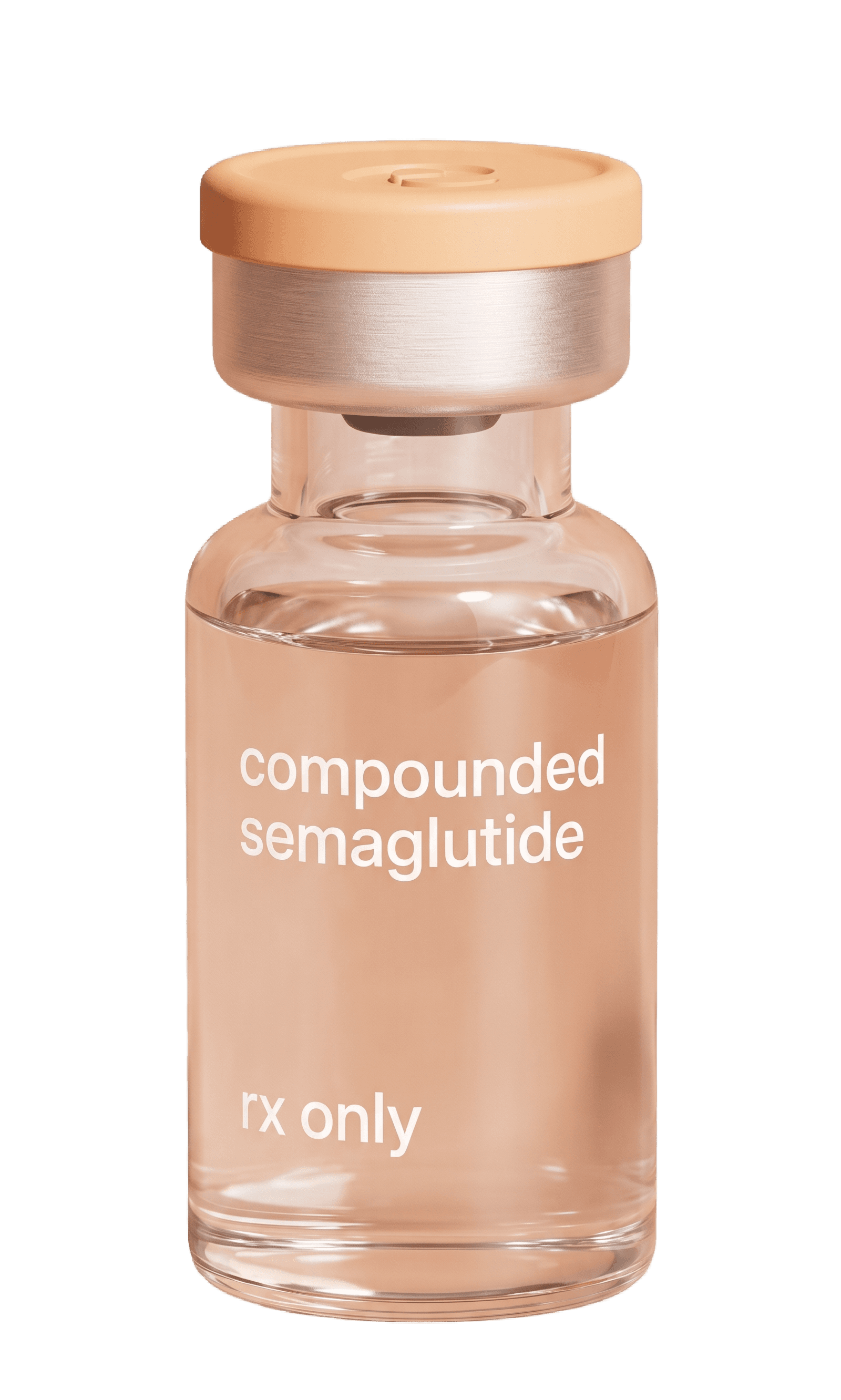
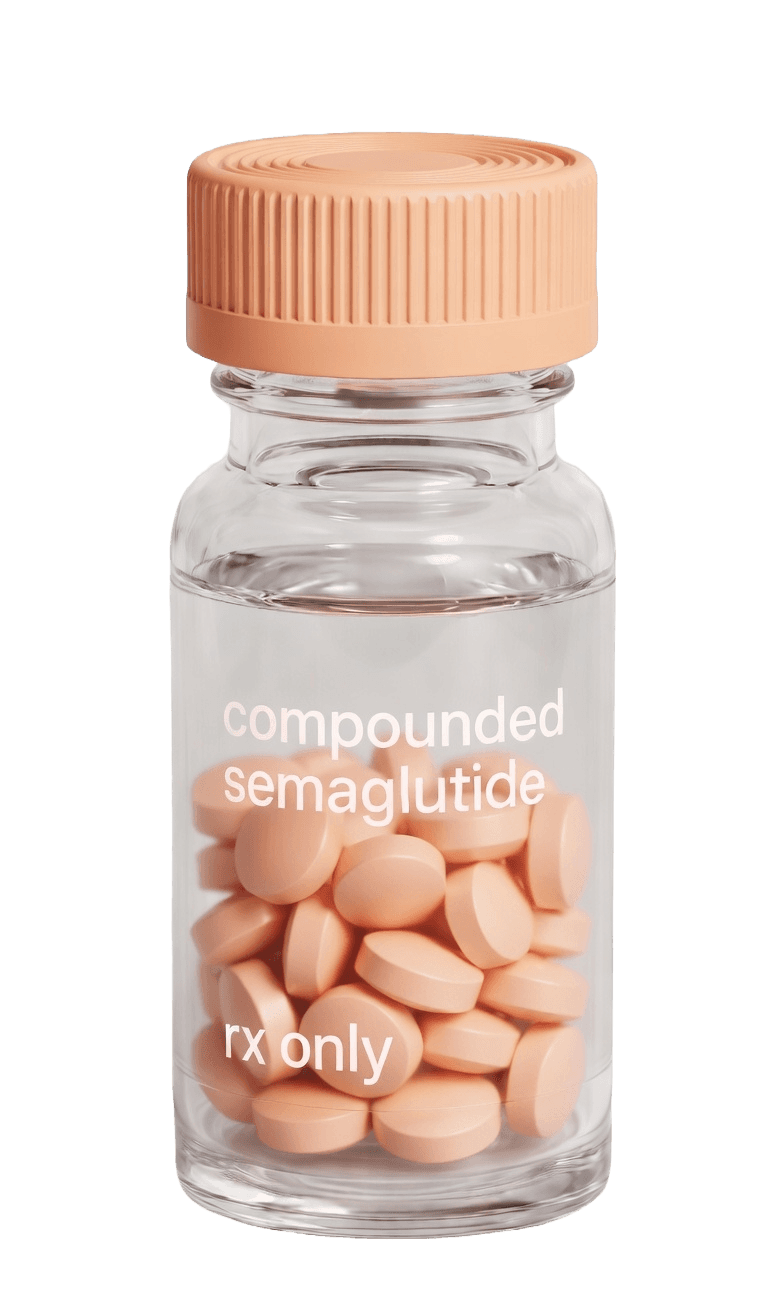
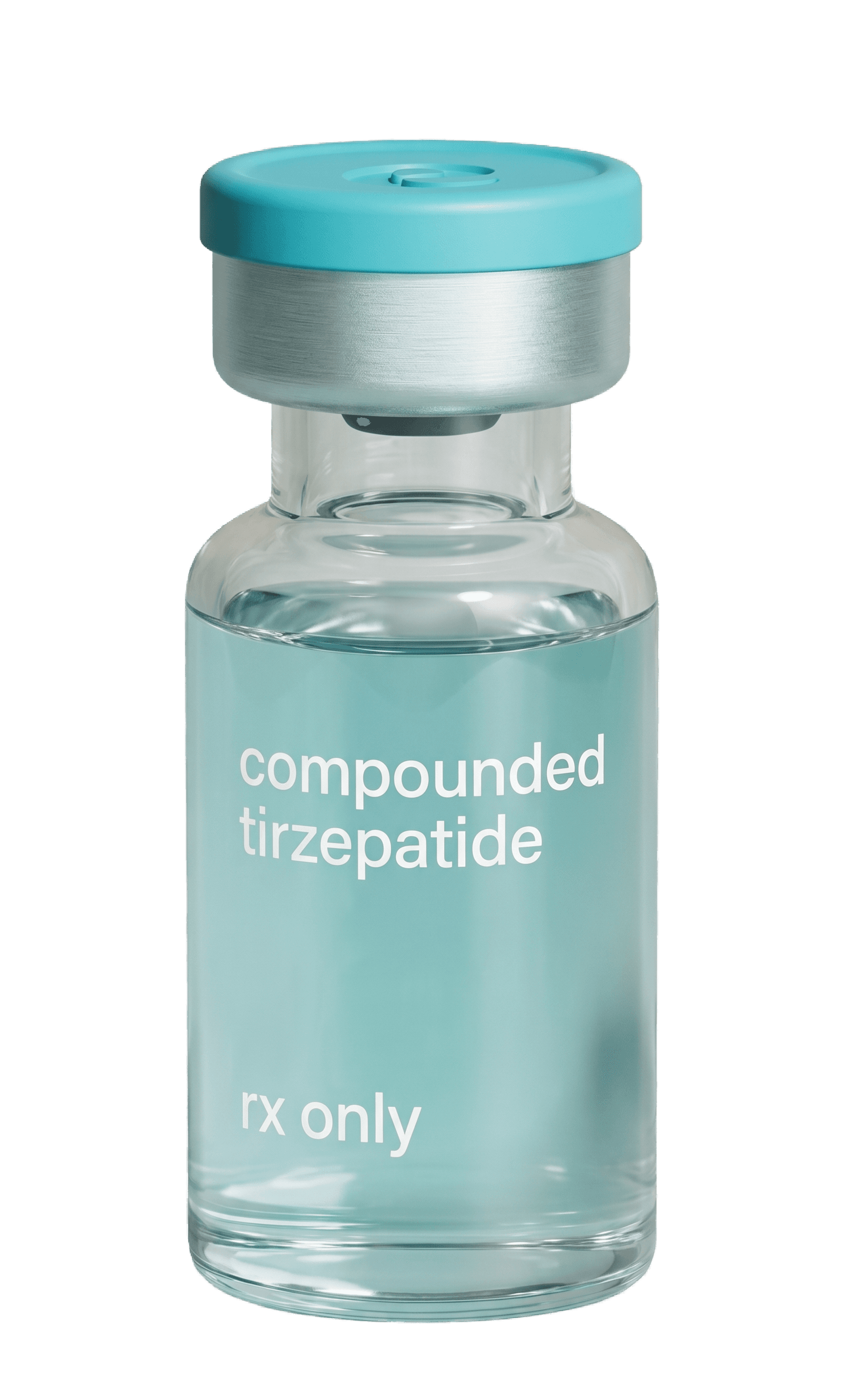
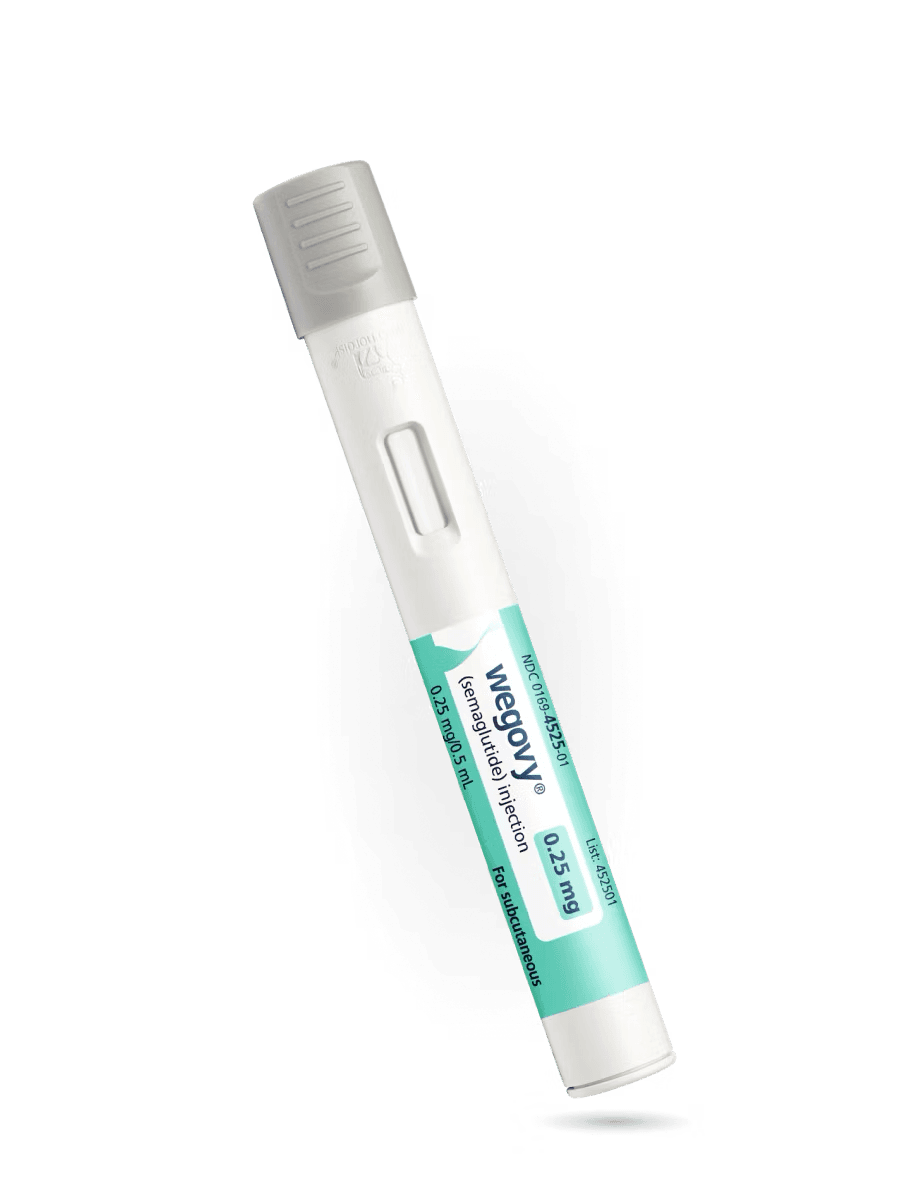
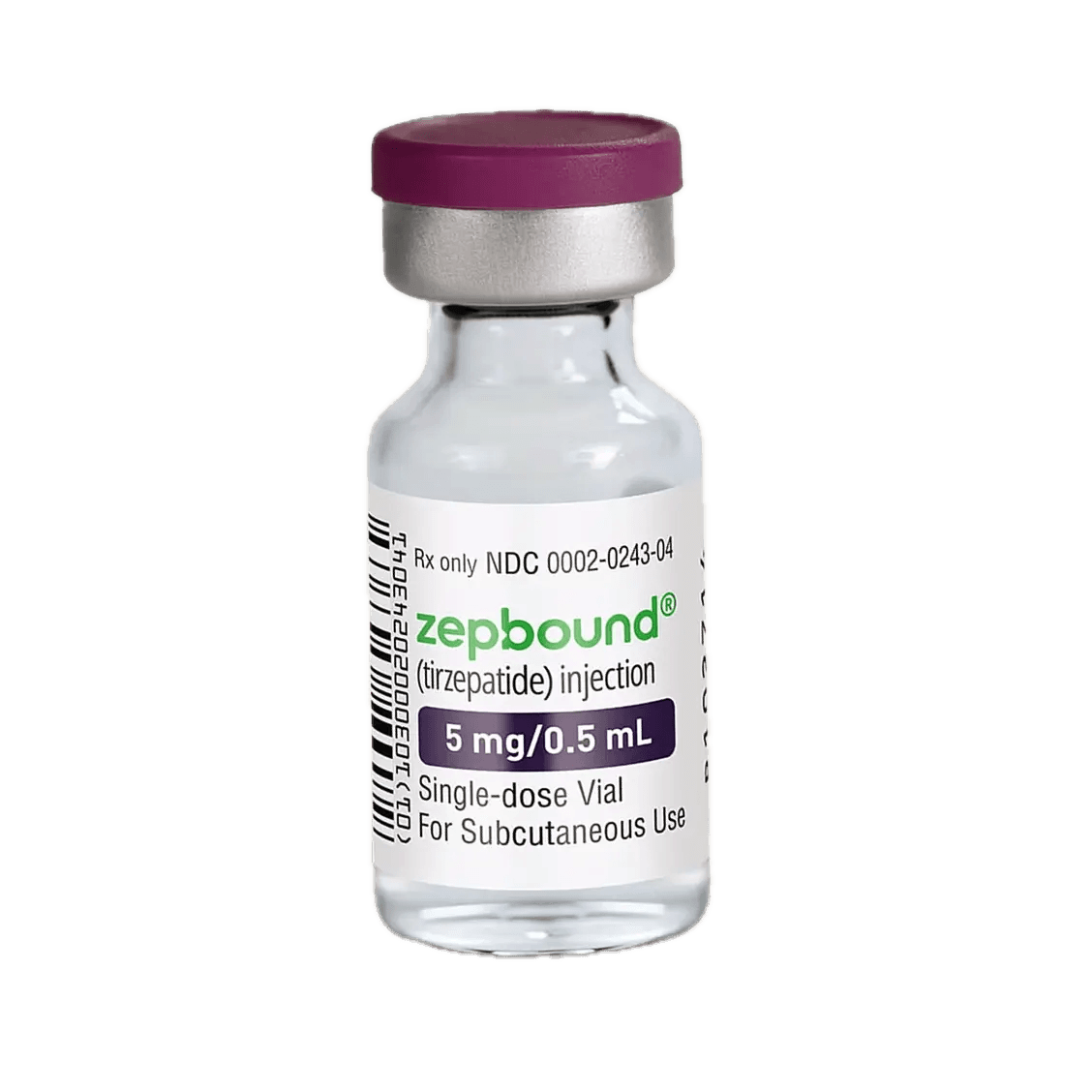
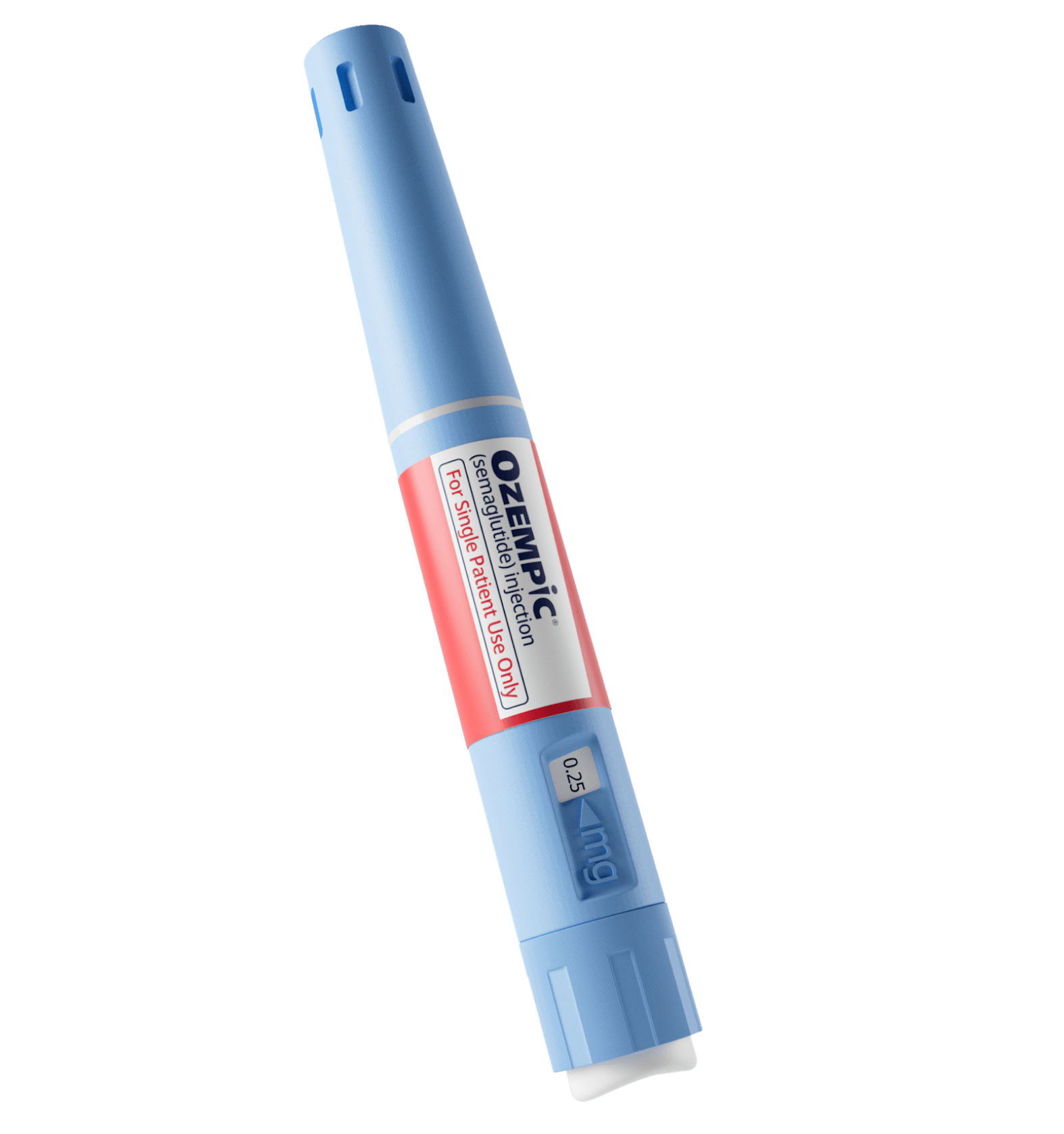
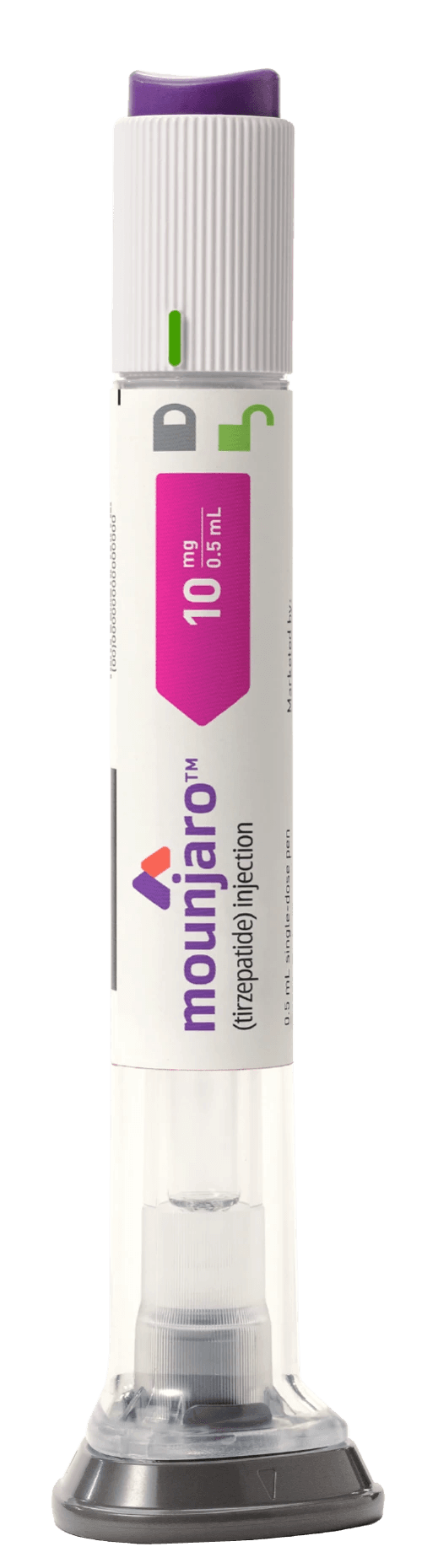
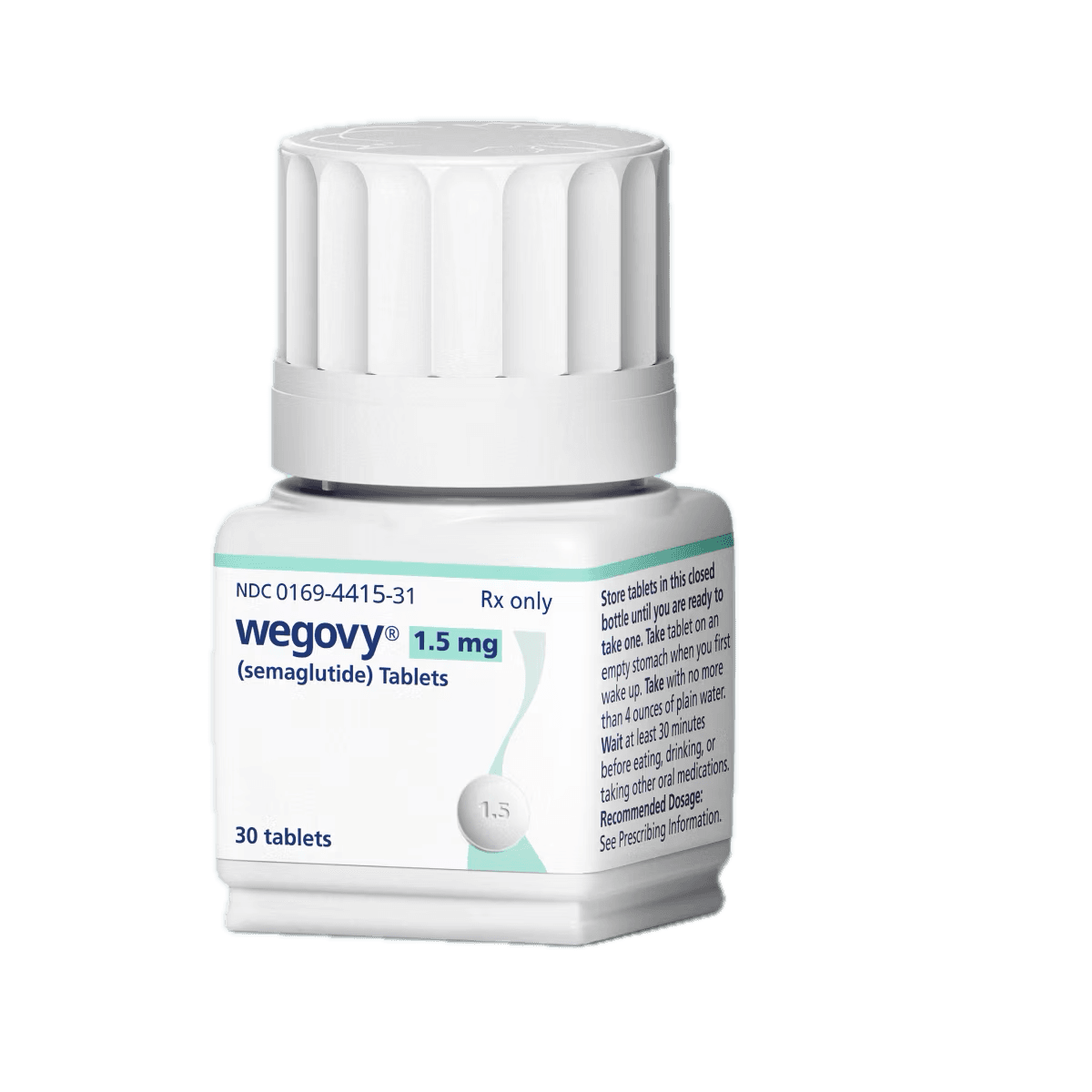
Example GLP-1 Treatments We Can Launch
Brand mention monitoring
You cannot improve what you cannot see. The default GEO measurement is brand mention monitoring in AI engines.
Manual sampling
The baseline is manual. Pick 25 to 50 queries that matter for your category and run them across ChatGPT, Claude, Perplexity, Gemini, and any other engines patients use. Record whether your brand was mentioned, the framing, the sources cited.
Run the same set monthly. Compare. Movement matters more than absolute numbers.
Automated monitoring tools
Vendors (Profound, Otterly, Athena Intelligence, AthenaHQ, and various others) automate this. Most do daily or weekly query runs across multiple engines, store the answers, and surface trend lines. Useful when the query set is large or the team does not have the bandwidth to sample manually.
What to look for
- Mention rate: percent of queries where the brand is named
- Position: first, middle, or last in the answer
- Framing: positive, neutral, or qualified
- Cited URLs: which pages on your site are being used as sources
- Competitor mentions: which competitors share the answer space
- Source spread: which third-party sources the engine pulls from
The cited URLs metric is the single most actionable signal. It tells you which pages are working, and by inference what to build more of.
What to do with the data
- Build more content like the pages that get cited
- Update the pages that get cited to keep them current and accurate
- Investigate why pages you expected to be cited are not (schema, depth, authority)
- Watch the third-party source spread for sponsorship, guest content, and outreach opportunities
Off-page GEO: why third-party sources still matter
LLMs do not retrieve only from your site. They retrieve from everywhere they can. Brands that get cited well in AI answer engines usually have a healthy off-page presence too.
Authoritative health publications
Content placed on health publications and consumer health sites (Healthline, Verywell Health, and similar) gets retrieved heavily because the engine treats these as trusted sources.
Industry trade and clinical sites
For B2B-leaning queries (operator, clinician, founder audiences), trade publications and clinical sites are heavily retrieved.
Wikipedia
Wikipedia is one of the most cited sources by AI engines. Where your brand has notable, sourced coverage on Wikipedia, the engine is more likely to mention it. This is not a manipulation lever (Wikipedia's notability and conflict-of-interest rules are strict). It is a long-term consequence of being notable.
Reddit and structured forums
LLMs use Reddit content extensively for consumer queries. Real patient experience on Reddit gets retrieved. This is not something to manufacture, but it is something to be aware of: if your brand has a strong patient experience, real Reddit conversation will follow, and that conversation will inform AI answers.
Press and earned coverage
Coverage in mainstream press (NYT, WSJ, STAT, Endpoints) carries significant weight in engine retrieval. PR has become a GEO investment.
What to do this quarter: a 30-day GEO sprint
A 30-day sprint a marketing team can run without a vendor.
Week 1: baseline
- Build a list of 25 to 50 priority queries patients actually ask in your category
- Run the queries across ChatGPT, Claude, Perplexity, and Gemini
- Record brand mention status, position, framing, and cited URLs for each query
- Identify the third-party sources cited most frequently
Week 2: page audit
- Audit your top 25 condition, process, eligibility, cost, and comparison pages
- Add or update author bylines with credentials and last-reviewed dates
- Add fact tables, cited claims, and clear definitions near the top
- Add or update FAQ blocks with FAQPage schema
- Add MedicalCondition, MedicalProcedure, or Drug schema where applicable
Week 3: content gaps
- Identify the top 10 queries where your brand is not mentioned and you should be
- For each, decide: new page, update existing page, or earned media play
- Draft and publish the highest-priority three new or updated pages
Week 4: off-page and re-measure
- Identify the top three third-party sources cited in your category and pursue placement or accuracy improvements
- Rerun the original 25 to 50 queries
- Compare mention rate, position, and cited URLs against the baseline
After 30 days, you will have:
- A baseline you can return to
- An understanding of which of your content gets cited and which does not
- A small but real improvement in citation rate from the schema, byline, and content updates
- A pipeline of content and off-page actions for the next quarter
What not to do
Some GEO advice circulating in 2026 is actively harmful for telehealth.
Do not stuff prompts or invisible text
LLMs do not consistently respect hidden prompts on web pages, and search engines (which power retrieval for many LLM tools) penalize hidden content. The risk is not worth the negligible upside.
Do not fabricate citations
Fake studies, fake organizations, fake author credentials get caught. The fallout is severe and disproportionate.
Do not pay for fake reviews or testimonials
The FTC's amended Endorsements Guide and state UDAP statutes both treat this as a violation. It is also the kind of thing AI engines now actively try to detect.
Do not over-rely on Wikipedia editing
Aggressive Wikipedia editing is policed by the Wikipedia community and frequently leads to coverage being scrubbed entirely. Earn notability instead.
Do not assume vendor tools alone are the strategy
The vendor space is new and uneven. Manual sampling and a clear understanding of what to do with the data outperforms a dashboard nobody acts on.
How this connects to conventional SEO
GEO and SEO are not in opposition. Most of what makes content work for traditional search makes it work for AI retrieval, with some additions.
| Signal | Conventional SEO | GEO |
|---|---|---|
| Topical authority | Important | More important |
| On-page structure (H1, headings, lists) | Important | Important for extraction |
| Schema | Helpful | Very helpful |
| Backlinks | Important | Important for retrieval source spread |
| Author and date | Helpful | More important |
| Cited primary sources | Helpful for trust | Important for retrieval |
| Topical depth and clusters | Important | Important |
| Site speed and Core Web Vitals | Important | Less directly relevant |
| Word count | Modest signal | Modest signal (depth matters more) |
The brands that win at GEO are usually the same brands that would win at SEO. The investment compounds.
Final takeaways
A real share of patient discovery is moving from ranked links to generated paragraphs.
What to remember:
- LLM answer engines decide which brands to cite using signals you can influence
- The bar for telehealth is higher than other categories because of safety prompting and substantiation expectations
- The most quotable telehealth content is specific, structured, credentialed, dated, and cited
- Schema (MedicalCondition, MedicalProcedure, Drug, FAQPage, MedicalBusiness, Organization) directly affects extractability
- Off-page presence in health publications, trade press, mainstream press, and even Reddit affects engine answers
- Brand mention monitoring is the new rank tracking
- A 30-day sprint can move citation rate meaningfully
- The shortcuts (prompt stuffing, fake reviews, fabricated citations) are worse than useless
For most telehealth brands, the GEO investment is also a brand and trust investment. The same updates that make a page more quotable to an AI engine make it more credible to a real patient.
That alignment is the reason this work is worth doing now, even before measurement is mature.
Sources for the GEO and platform references: