Microdosing is a patient-demand signal, not a protocol
GLP-1 microdosing is showing up in patient conversations because the category has become expensive, visible, and emotionally loaded.
Patients may ask about it because they want:
- fewer side effects
- lower cost
- slower weight loss
- maintenance after active weight loss
- a way to restart after stopping
- a way to stretch medication supply
- more control over appetite changes
- a "wellness" version of GLP-1 care
Those are real patient concerns.
But microdosing is not the same as an approved dosing schedule.
It is not a standardized telehealth product.
It is not something a support team should explain casually.
For telehealth operators, the useful question is not:
"Should we sell microdosing?"
The better question is:
"How should our program respond when patients ask about non-standard GLP-1 dosing?"
Define the boundary clearly
The first operational problem is language.
Patients may use "microdosing" to mean several different things:
- taking less than a labeled starting dose
- staying at a lower provider-prescribed dose longer than usual
- splitting a dose
- using compounded medication from a vial
- restarting at a lower dose after a pause
- using a maintenance strategy after weight loss
- taking medication less often than directed
- trying to reduce side effects without contacting a provider
Those are not the same.
A provider-directed adjustment inside a clinical relationship is different from a patient independently changing a dose because they saw a trend online.
That distinction should be visible in the program's intake, portal, and support language.
The safest patient-facing message is simple:
Do not change your GLP-1 dose or schedule without provider guidance.
The evidence base is limited
Patient interest is moving faster than clinical evidence.
A May 2026 Drugs.com review noted that GLP-1 microdosing is generally informal, off-label, and lacks large-scale clinical trials validating safety or effectiveness.
Cleveland Clinic has made a similar point: there are not official or standard guidelines for microdosing GLP-1s, and patients should not change dosing without talking to a healthcare provider.
That matters for telehealth marketing.
Programs should avoid claims like:
- "microdosing reduces side effects"
- "microdosing works just as well"
- "microdosing is safer"
- "microdosing is a maintenance protocol"
- "microdosing makes GLP-1s affordable"
Those claims may sound appealing, but they can overstate what is known.
A more defensible approach is to discuss patient goals, tolerability, maintenance, and dose adjustments as provider-reviewed topics.
Compounded-vial dosing raises extra risk
The biggest practical risk is not just the word "microdosing."
It is how the dose is measured.
The FDA has warned about dosing errors with compounded injectable semaglutide products, including cases where patients or providers confused milligrams, milliliters, and "units." FDA said some patients administered several times the intended dose, and some required medical attention or hospitalization.
That risk becomes more relevant when patients are drawing small volumes from vials, using syringes, or trying to reinterpret dosing instructions.
FDA has also published broader concerns about unapproved GLP-1 drugs used for weight loss, including quality, storage, and compounded-product concerns.
For telehealth teams, the operational takeaway is direct:
if dosing requires measurement, conversion, or patient interpretation, the safety and support burden rises.
Current GLP-1 pathways still need normal workflow discipline
Before a clinic decides how to answer microdosing questions, it should make sure the standard GLP-1 program is already strong.
Public examples in our directory today include:
Example GLP-1 Treatments We Can Launch

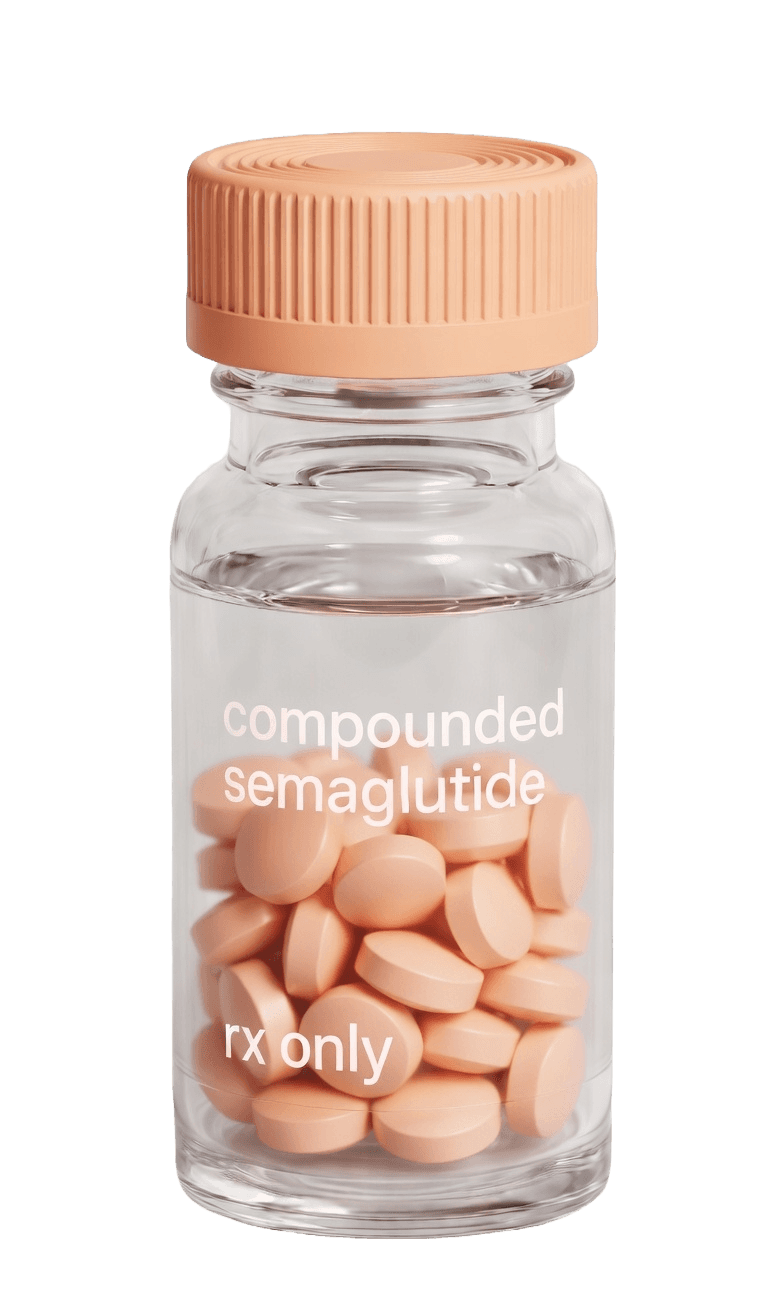
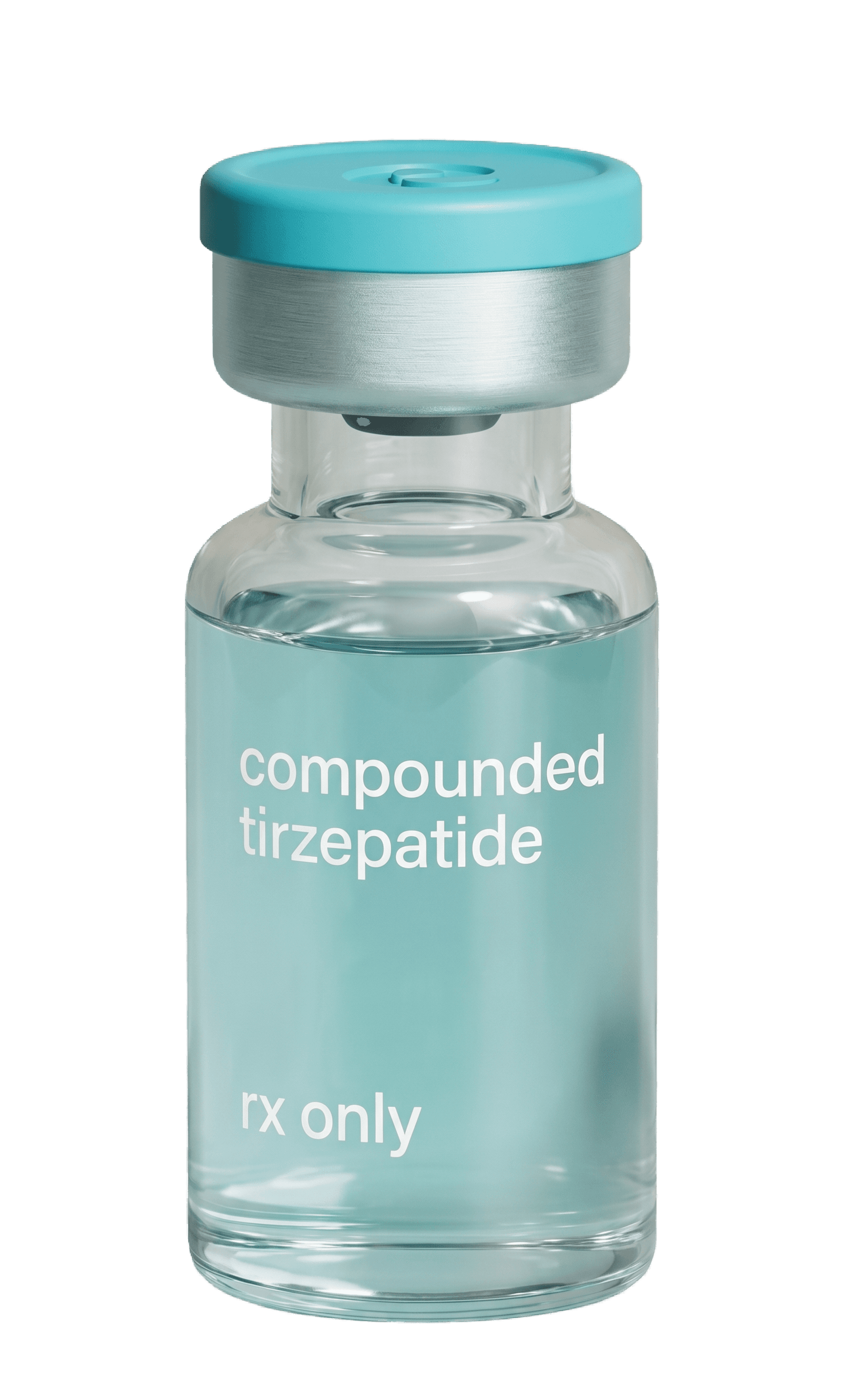
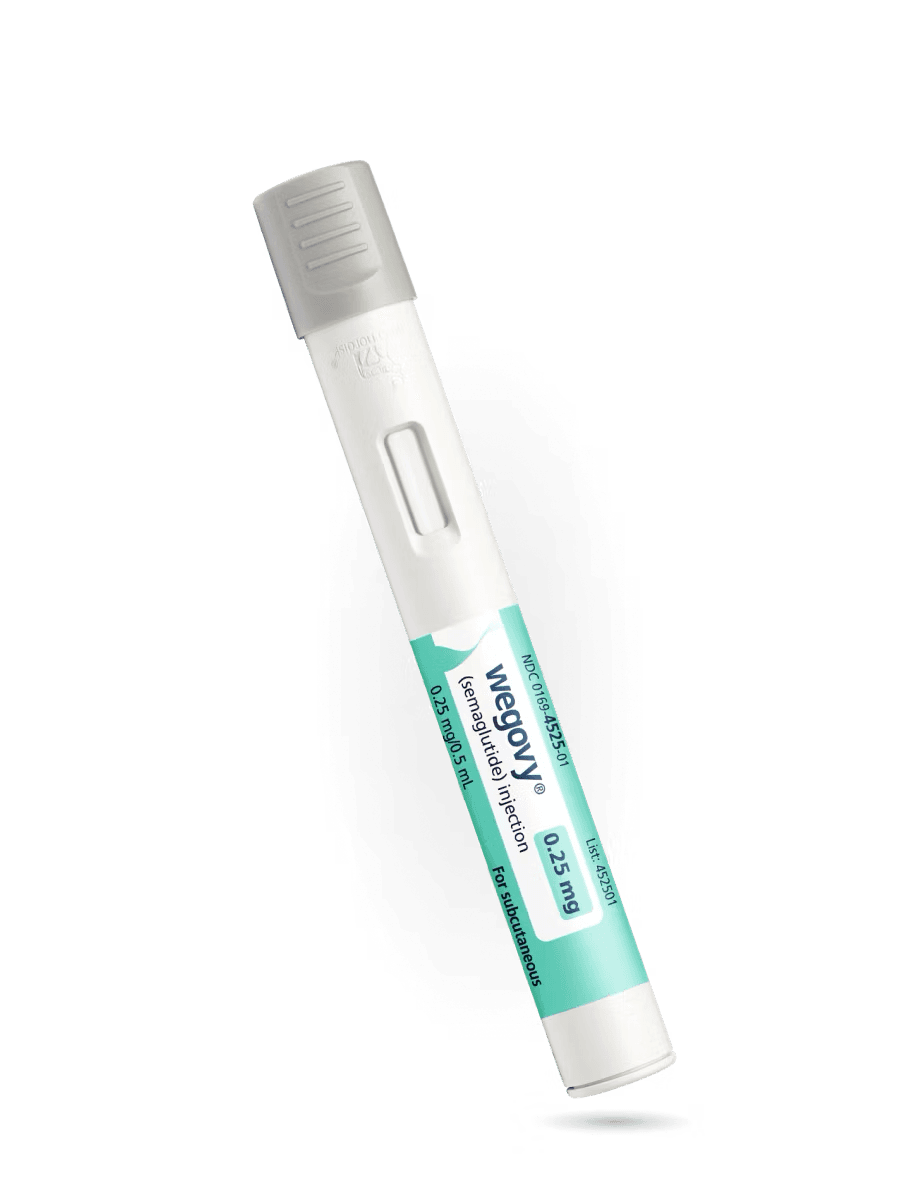
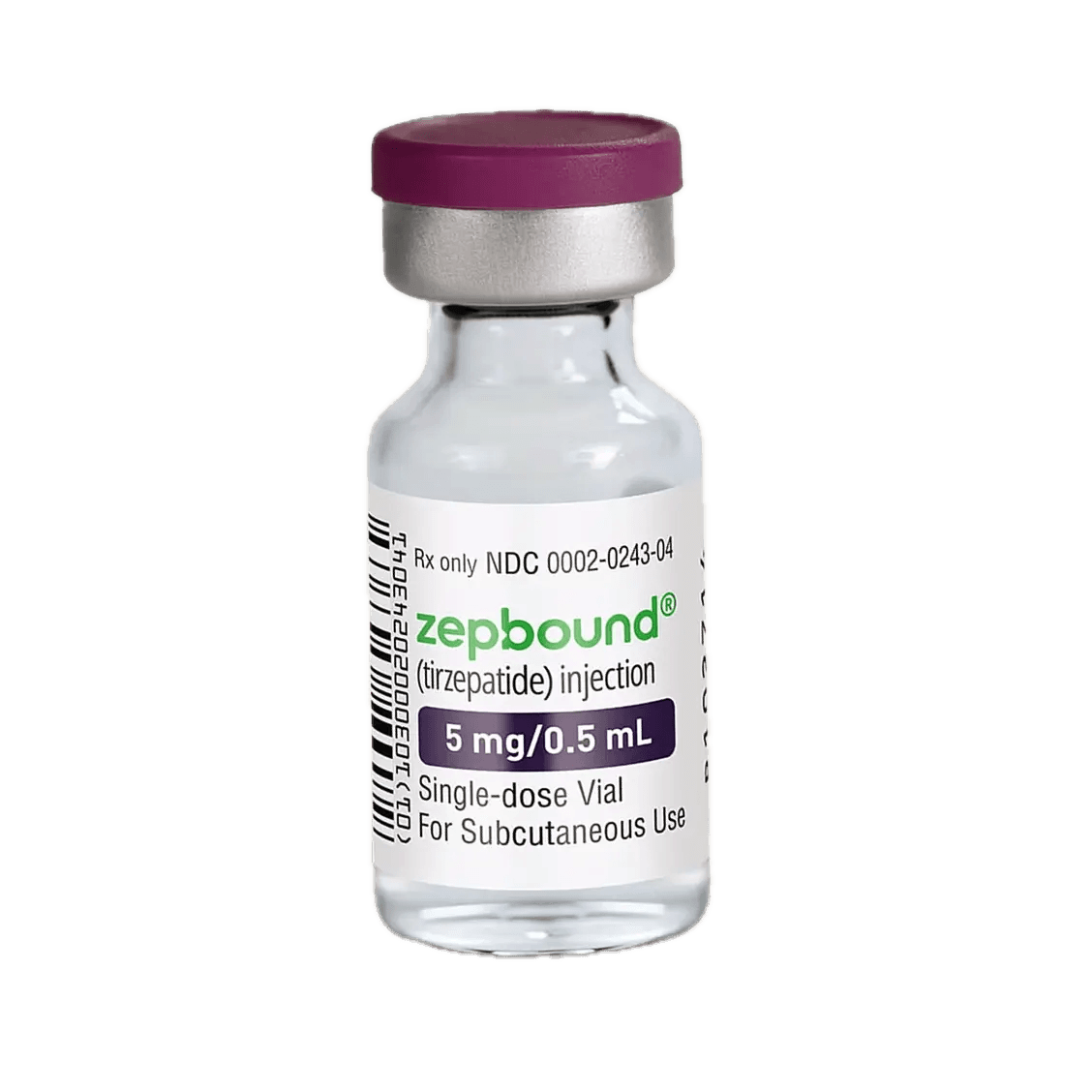
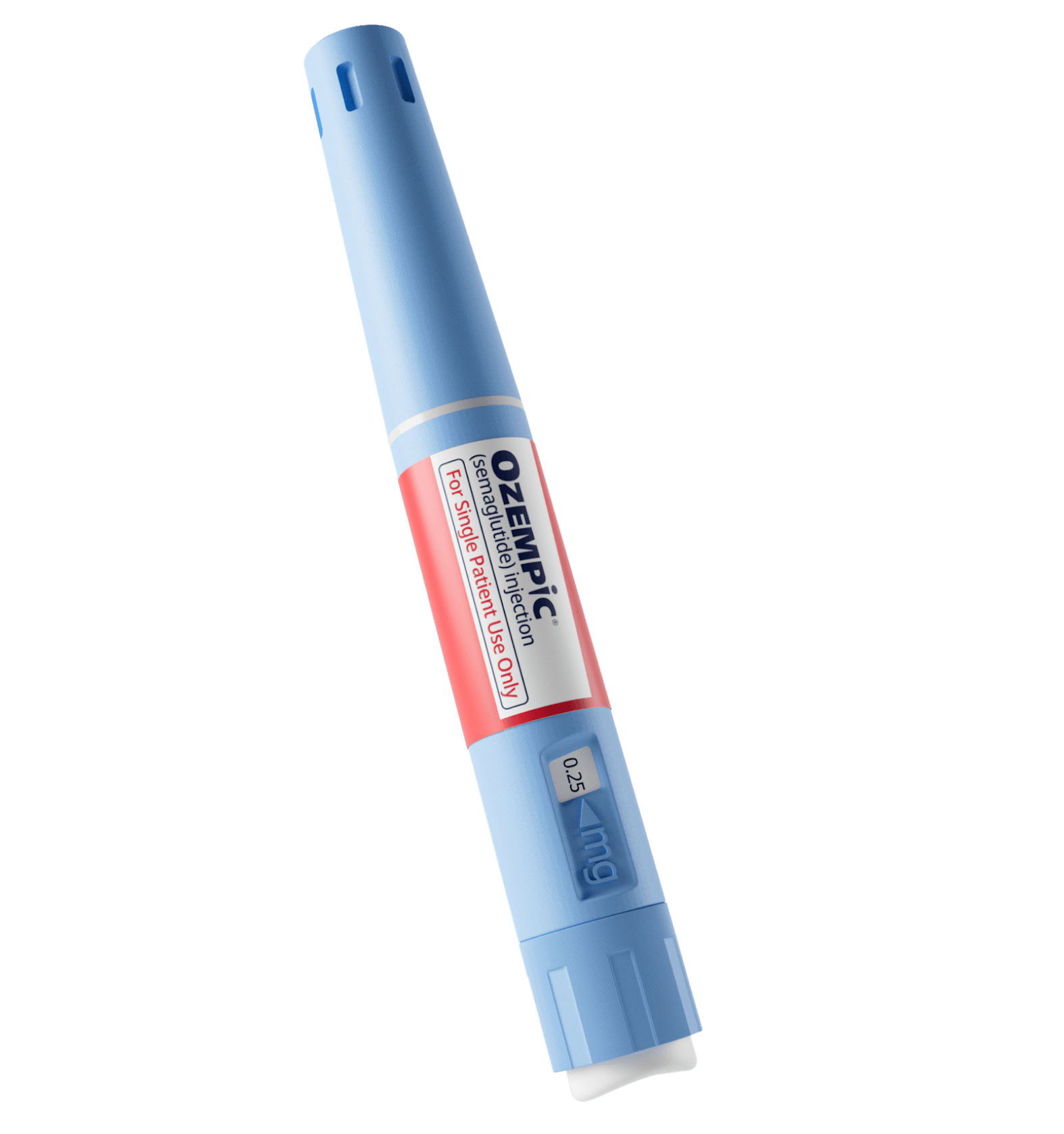
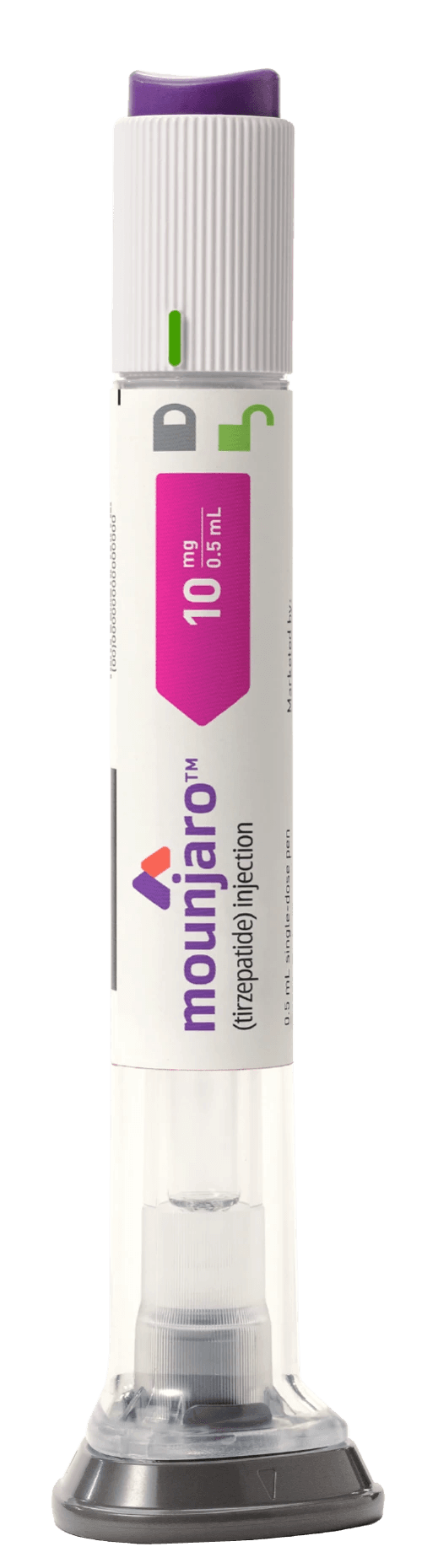
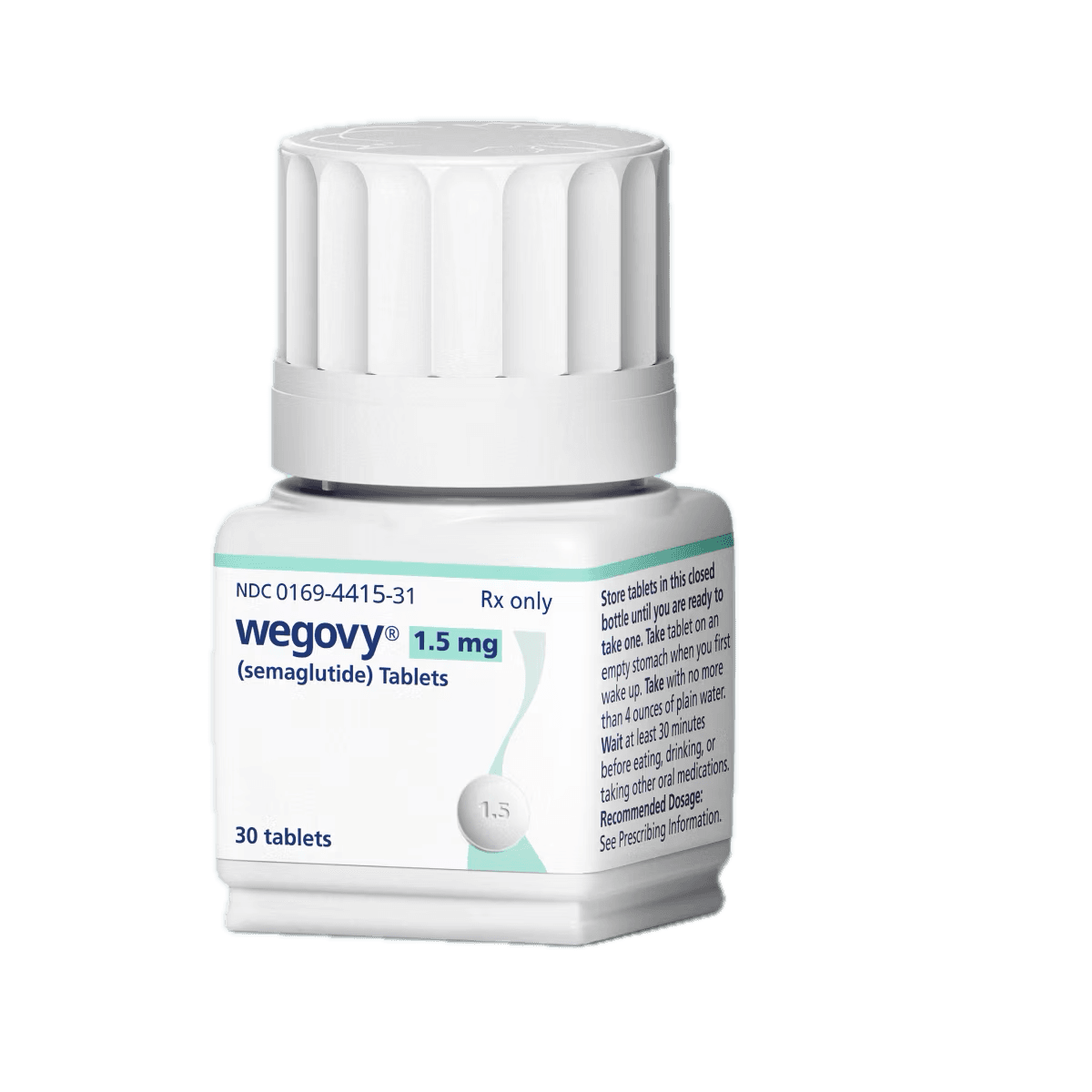
Those are supported pathways, not microdosing programs.
They still need:
- eligibility screening
- provider review
- labeled product education where applicable
- clear prescription instructions
- pharmacy visibility
- refill timing
- side-effect reporting
- maintenance planning
If the standard workflow is unclear, adding microdosing language will make it worse.
Intake should capture why the patient is asking
When a patient asks about microdosing, the reason matters.
The intake or follow-up workflow should distinguish:
- cost concern
- fear of nausea or side effects
- prior intolerance
- restarting after a pause
- maintenance after weight loss
- desire for slower weight change
- social-media influence
- prior use of compounded medication
- confusion about current dose or instructions
Each reason points to a different next step.
A patient worried about cost may need pricing or access guidance.
A patient with side effects may need clinical review.
A patient who is trying to stretch medication may need safety counseling.
A patient asking about maintenance may need a long-term care-plan discussion.
Support teams need a script, not improvisation
Microdosing questions should not be answered off the cuff.
Support teams should have approved language for common scenarios:
"Can I take a smaller dose?"
Support should route the patient to provider review rather than giving instructions.
"Can I split my dose?"
Support should not explain how. The question should be escalated.
"I am having side effects. Should I take less?"
This should trigger clinical review and appropriate symptom triage.
"I want to save money by using less."
Support can acknowledge cost concern and route to billing, access, or provider review, but should not recommend dose changes.
"I saw microdosing online. Do you offer it?"
The response should explain that dosing decisions are provider-directed and that the program does not treat social-media dosing advice as a care plan.
The point is not to shut patients down.
It is to keep dosing decisions in the right clinical lane.
Portal copy should make dose changes easy to ask about
Patients often change doses informally when they feel embarrassed, rushed, or unsure how to ask.
A good portal should make the safe path obvious.
Useful portal actions include:
- report side effects
- ask about a dose concern
- request provider review before changing dose
- report a missed dose or pause
- ask about restarting after a gap
- ask about maintenance planning
- clarify pharmacy or syringe instructions where applicable
This helps the program catch risk early.
It also reduces the chance that patients search online for dosing advice when they should be asking the care team.
Do not turn microdosing into a checkout offer
Microdosing does not belong in checkout as an upsell.
That would create the wrong frame.
Avoid:
- "microdose plan" add-ons
- cheaper low-dose packages presented as equivalent care
- maintenance claims without provider review
- side-effect reduction claims without evidence
- social-media style copy that makes dosing feel casual
- bundled compounded-vial offers that require patient dose calculations without strong safeguards
If a program supports provider-directed lower-dose or maintenance pathways, those should be described carefully as clinical workflow options, not consumer hacks.
Billing and product naming should reinforce that distinction.
What to measure if patients keep asking
Microdosing interest can reveal important product signals.
Track:
- number of support tickets mentioning microdosing
- side-effect tickets by medication and dose stage
- cost-related dose questions
- restart-after-pause requests
- maintenance-plan requests
- compounded-vial dosing clarification tickets
- medication error reports
- provider review requests for dose concerns
- cancellations tied to side effects or cost
- refill delays tied to dose confusion
If microdosing questions are rising, do not assume the answer is to market microdosing.
It may mean patients need better cost clarity, side-effect support, maintenance planning, or provider access.
A safer operating policy
A practical GLP-1 microdosing policy can be short.
It should say:
- patients should not change dose or schedule without provider guidance
- support does not give dosing instructions
- dose concerns route to clinical review
- side effects route to symptom-aware triage
- compounded-vial measurement questions require approved instructions and escalation rules
- marketing does not present microdosing as approved, safer, cheaper, or equally effective
- portal workflows make it easy to ask about dose concerns
- all dose-related decisions are documented
That policy protects patients and the team.
It also gives the brand a calmer answer when the market gets noisy.
Final takeaways
GLP-1 microdosing is a trend telehealth teams should be ready to discuss.
But readiness does not mean turning it into a product.
The strongest posture is:
- acknowledge patient questions
- avoid unsupported claims
- keep dosing decisions provider-directed
- treat compounded-vial measurement as a safety risk
- route side effects and cost concerns into the right workflow
- make dose questions easy to ask inside the portal
- document decisions clearly
Microdosing interest is telling clinics something real.
Patients want personalization, affordability, tolerability, and long-term planning.
The answer is not hype.
The answer is a safer, clearer GLP-1 program.