Prescription is not the whole program anymore
For a while, many GLP-1 telehealth programs could win by making access simple.
The patient wanted medication. The program helped with intake, provider review, payment, and fulfillment. If the process felt fast and legitimate, that was enough to create demand.
That is getting thinner as a strategy.
In 2026, the market is moving toward programs that treat GLP-1 care as an ongoing weight-management service rather than a prescription workflow with a checkout page attached.
Walmart's April 2026 expansion of its Better Care Services platform is a good signal. The company framed GLP-1 support around virtual care, pharmacy access, nutrition resources, dietitian services, fitness support, and ongoing tools, not only medication pickup or delivery.
That does not mean every telehealth brand needs to copy Walmart's model.
It does mean the patient expectation is changing.
The medication still matters. But the support layer around the medication is becoming part of the product.
Nutrition support solves different problems at different stages
A weak nutrition layer looks like a library of articles.
A stronger nutrition layer is timed to the patient's actual stage.
The patient who has not started medication needs different support than the patient who is three weeks into nausea, the patient titrating up, or the patient considering whether to continue after the first visible weight loss.
The program should usually think in stages:
| Stage | Patient question | Nutrition job |
|---|---|---|
| Before prescription | "Will this work for me?" | Set expectations around appetite, protein, hydration, and long-term behavior |
| First fill | "What do I do this week?" | Give simple food and symptom guidance before side effects create anxiety |
| First refill | "Is this normal?" | Reinforce adherence, side-effect management, and realistic progress |
| Month two and three | "Do I still need this?" | Connect progress to habits, strength, energy, and maintenance |
| Maintenance or transition | "What happens next?" | Plan continuity if medication changes, pauses, or stops |
This is why nutrition should not live only in a blog post or PDF.
It should show up inside the workflow.
The refill moment is where nutrition gets strategic
Many teams treat refill as a logistics event.
For GLP-1 programs, refill is also a confidence event.
Around refill, patients are often deciding whether the program is still worth it. They may be dealing with slower progress, side effects, cost pressure, uncertainty about dose changes, or confusion about what they are supposed to eat.
That is where nutrition support can reduce churn.
The refill workflow should not only ask:
- is payment complete?
- is the patient eligible?
- does the provider need to review?
- has the prescription been routed?
It should also ask:
- has the patient reported nausea, constipation, low appetite, fatigue, or food aversion?
- has the patient received practical guidance before the next dose?
- does the patient understand protein, hydration, and meal timing?
- is the patient losing weight in a way that still feels sustainable?
- does the care team need to route the patient to dietitian or coaching support?
Related reading: GLP-1 Refill Operations: A Workflow to Prevent Missed Cycles and Support Spikes.
Medication pathways are getting more varied
Nutrition support also becomes more important as GLP-1 pathways diversify.
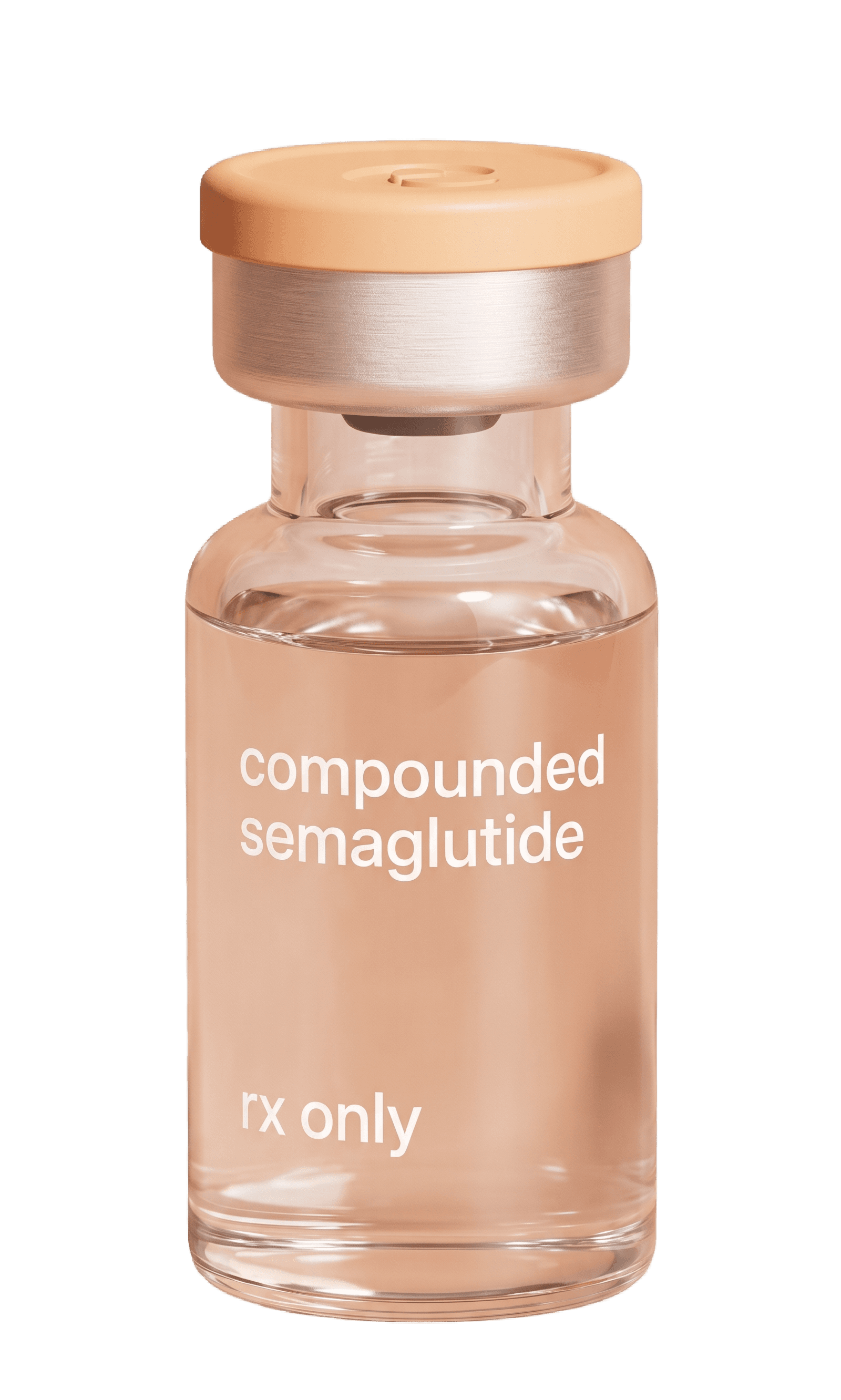
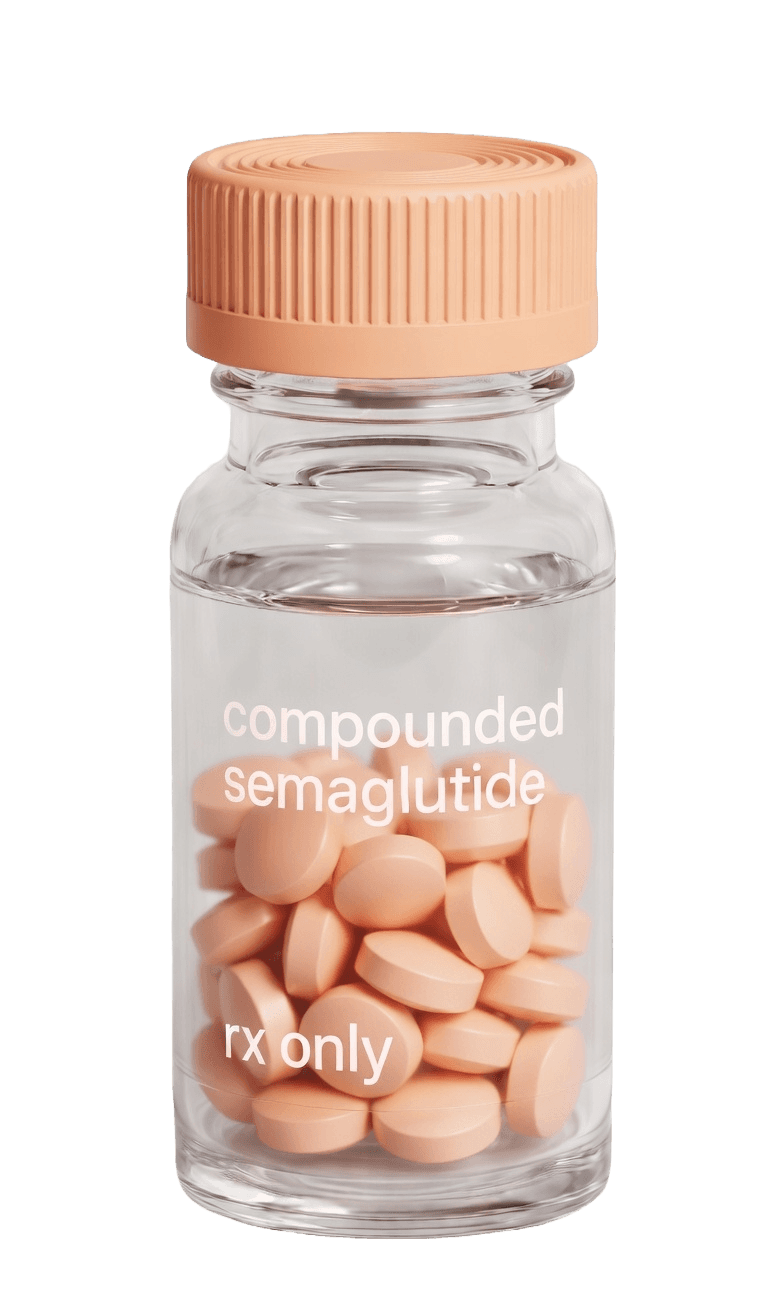
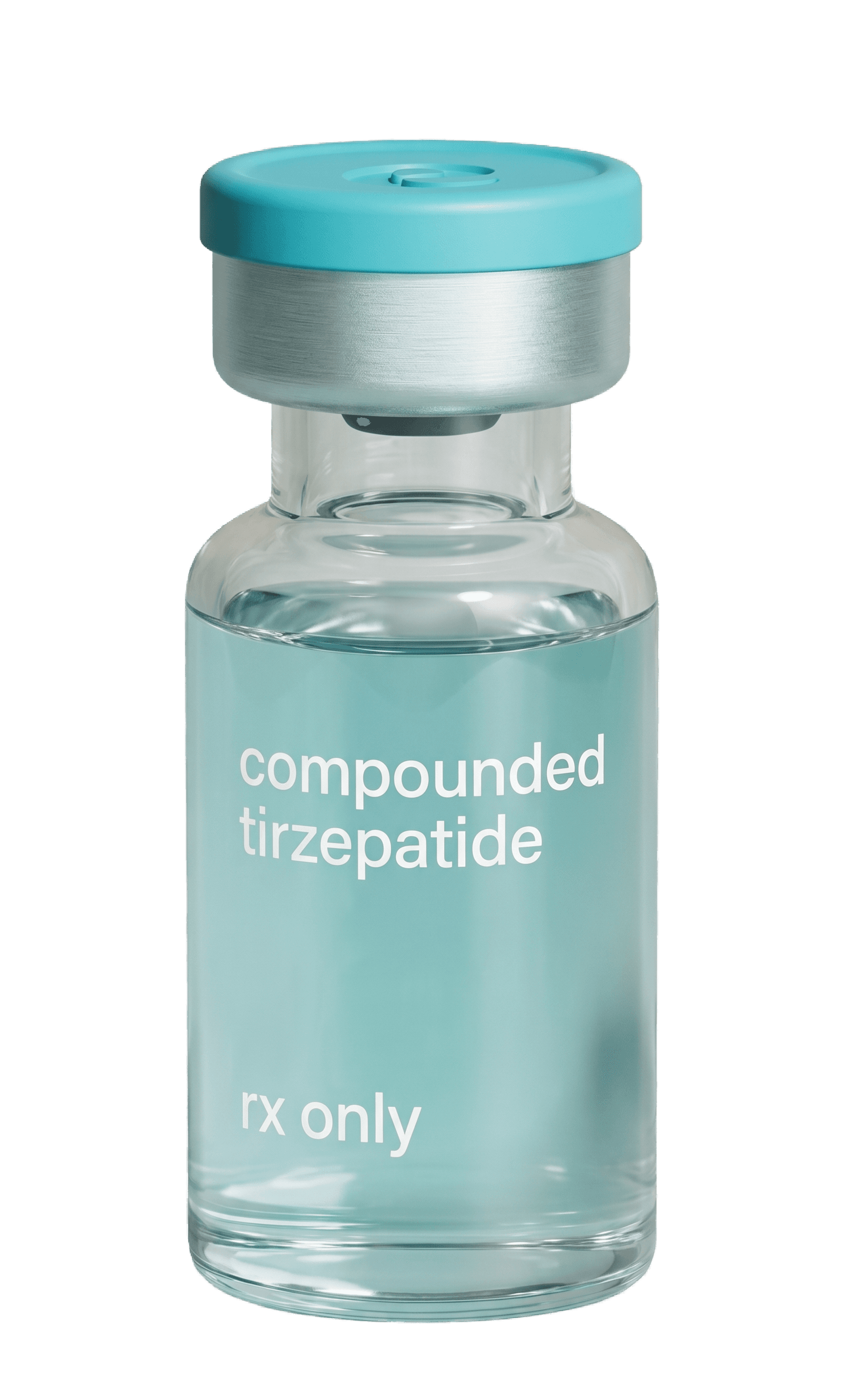
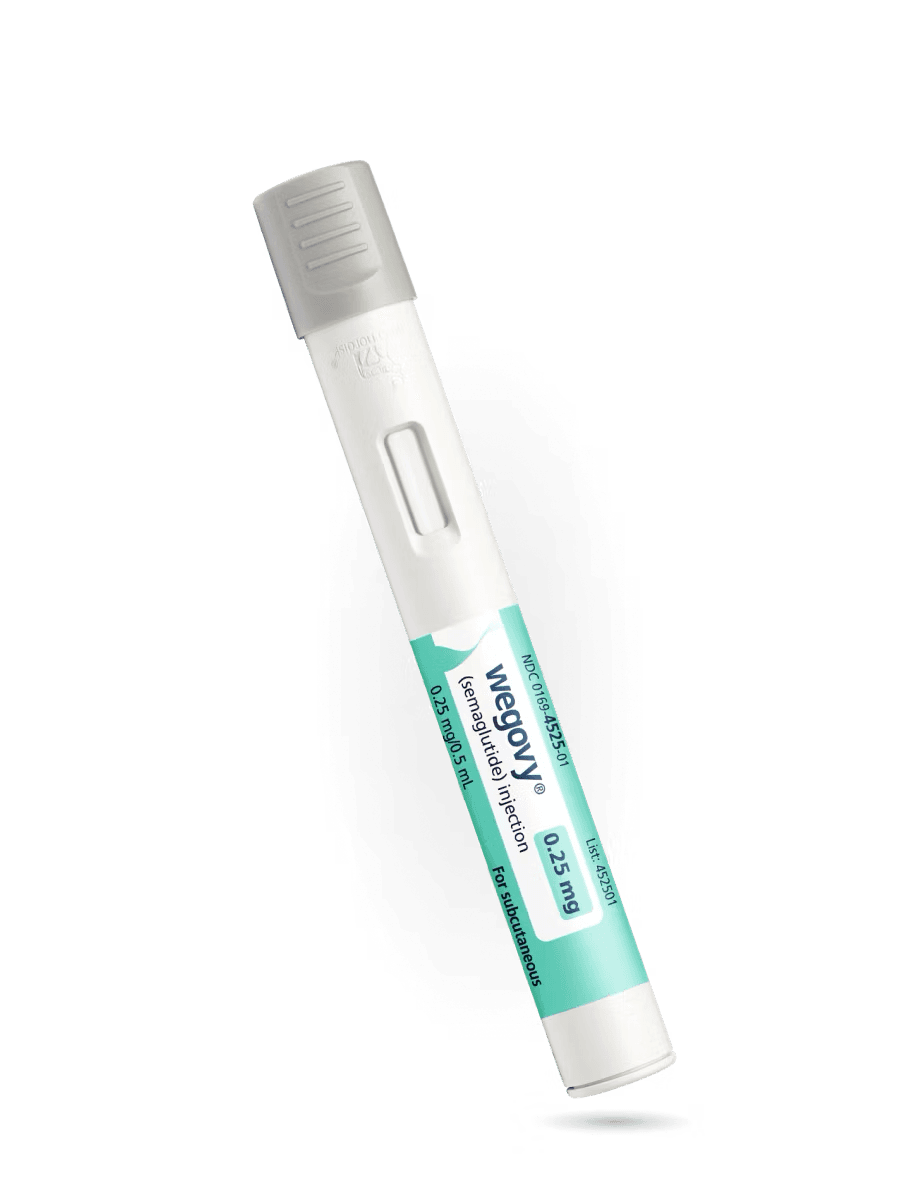
Some patients may be on injectable medication. Some may prefer oral options as they become available. Some may pay cash. Some may work through insurance or pharmacy access programs. Some may pause or change therapy because of cost, tolerability, availability, or clinical direction.
Public examples in our directory today include:
Example GLP-1 Treatments We Can Launch
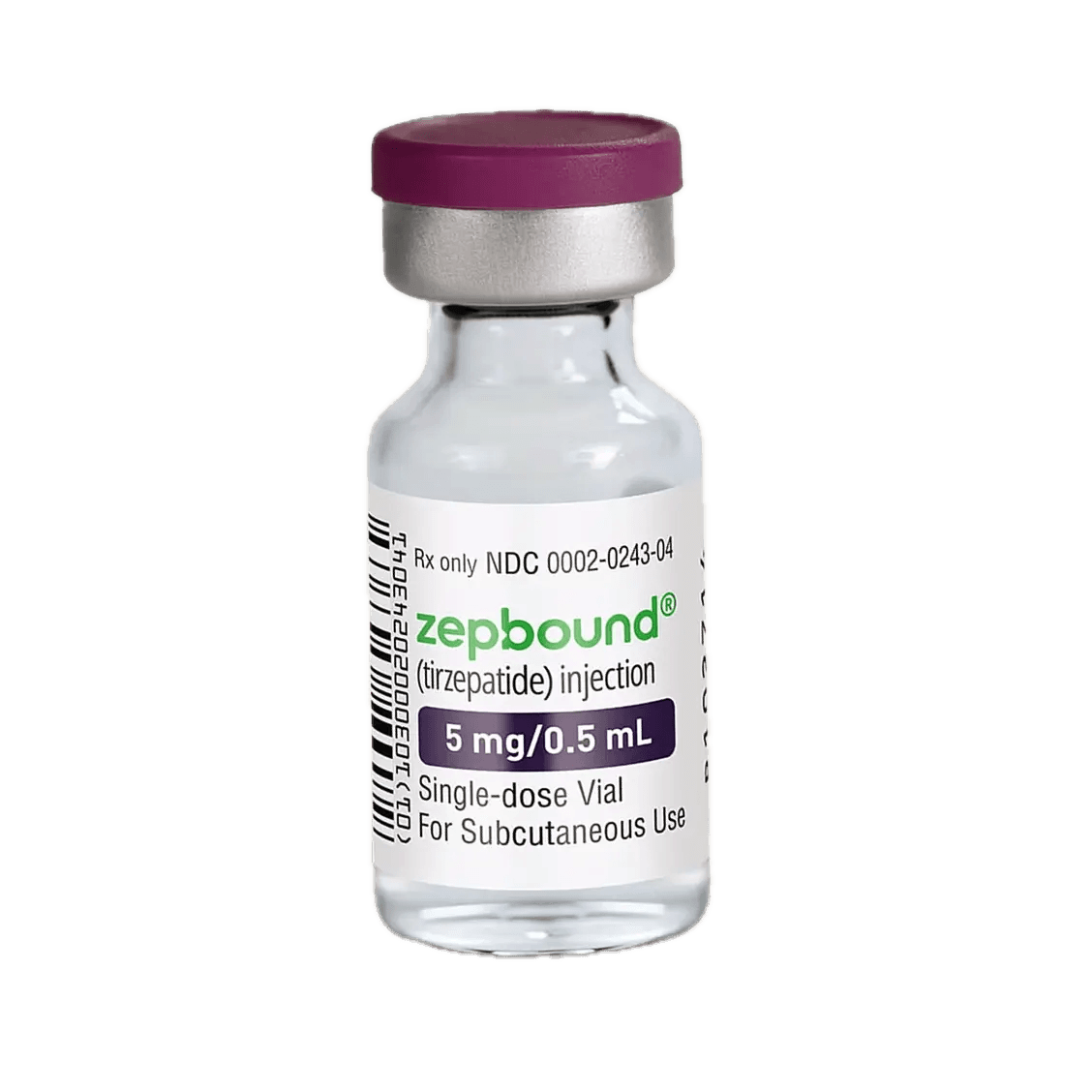
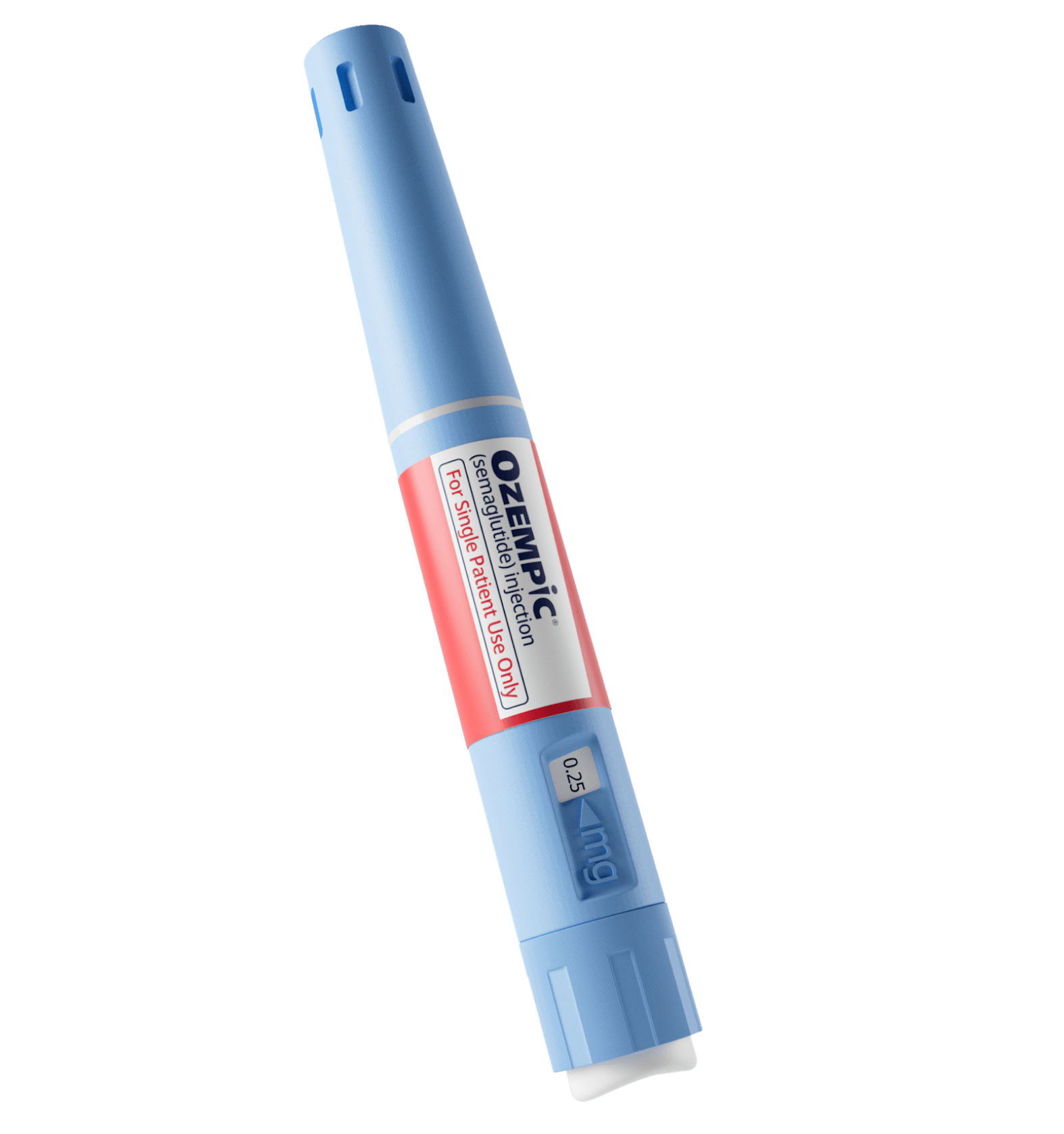
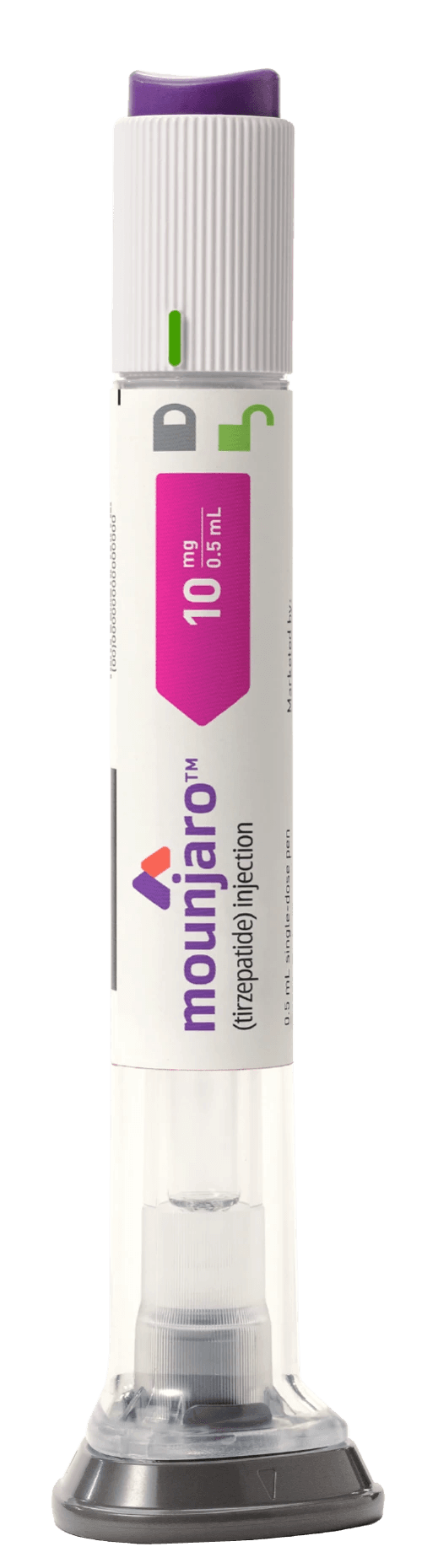
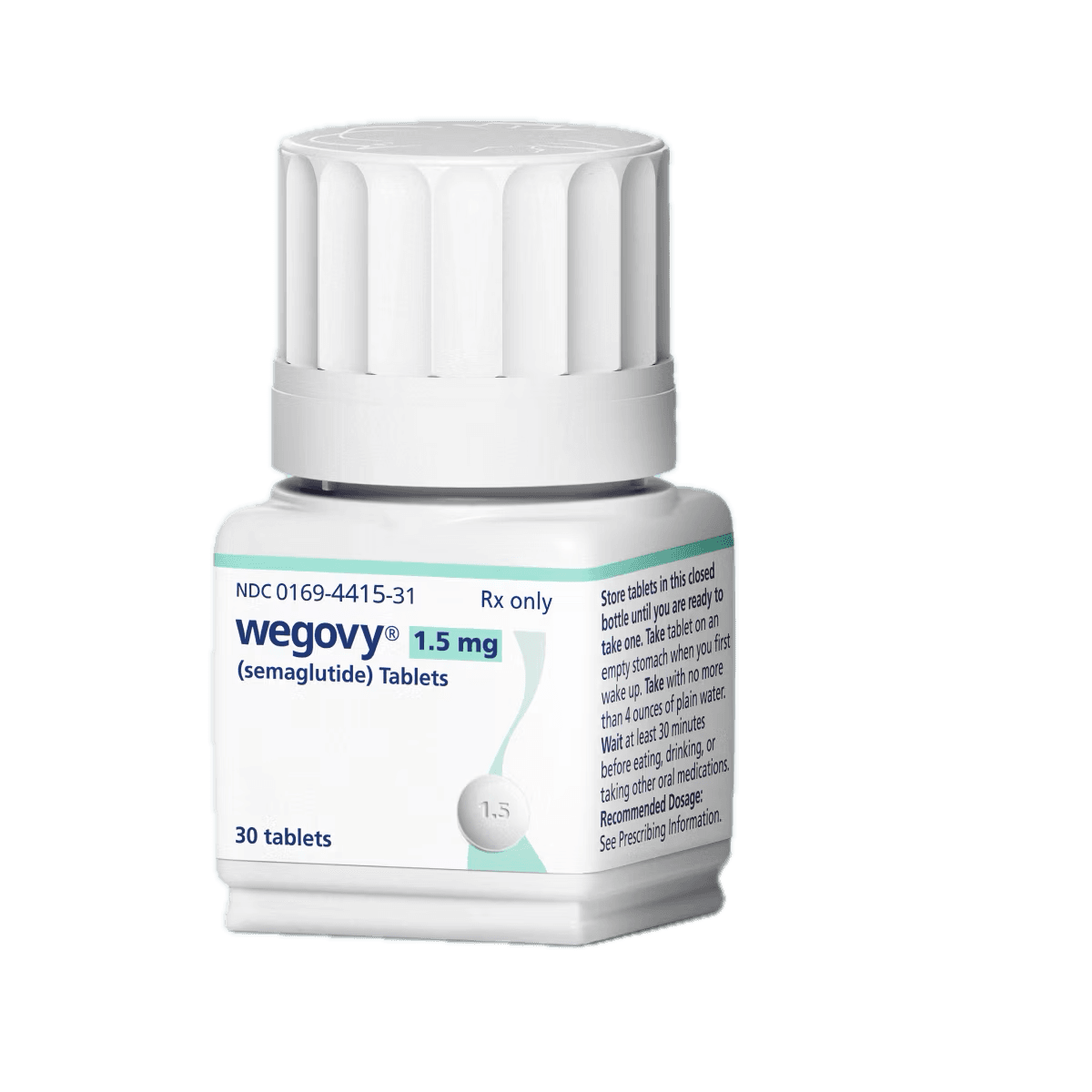
The workflow around those pathways should not pretend that every patient needs the same education.
A patient starting therapy may need basic preparation. A patient titrating may need symptom-aware food guidance. A patient on maintenance may need muscle preservation, behavior support, and a clear plan for what happens if therapy changes.
The best programs will not position nutrition as "extra content."
They will use it to make each medication pathway feel more complete.
Where nutrition belongs in the product experience
There are four places where nutrition support usually belongs.
1. Intake
Intake should capture enough information to route support intelligently.
That may include dietary pattern, allergies, current weight-management habits, prior medication experience, food insecurity signals when appropriate, relevant comorbidities, and patient goals.
The goal is not to interrogate the patient.
The goal is to avoid giving the same advice to everyone.
2. Post-approval onboarding
The first few days after approval should be simple and concrete.
Patients need to know what to expect, what to eat if appetite drops, what symptoms should be reported, and where to ask a question without opening a support ticket.
This is also where the program can set a tone:
- no crash dieting language
- no miracle claims
- no "just eat less" framing
- no generic PDF that feels disconnected from the prescription
3. Refill and titration
Refill should trigger stage-specific nutrition prompts.
For example:
- "Any nausea or constipation since your last dose?"
- "Are you consistently eating protein?"
- "Has appetite suppression made meals difficult?"
- "Do you want help planning your next two weeks?"
Those answers can route the patient to self-guided content, a care-team message, or a dietitian referral depending on the program design.
4. Maintenance
Maintenance is where many access-first programs lose the story.
Once the patient has lost weight, the program needs to explain what continuing care is for.
Nutrition support helps shift the conversation from:
"keep paying for medication"
to:
"protect progress, reduce regain risk, preserve strength, and make the next phase intentional."
That is a stronger retention story and a better patient experience.
What not to do
Adding nutrition support can backfire if it feels generic or judgmental.
Avoid:
- burying patients in meal plans before they have started treatment
- giving calorie-only guidance without clinical context
- making nutrition support sound like a punishment for needing medication
- using one content sequence for every dose and symptom profile
- letting marketing copy imply outcomes that the program cannot support
- separating nutrition messages from the portal, refill, and support workflow
The patient should feel guided, not scolded.
The operational model matters
Nutrition support can be built several ways.
Some programs use registered dietitians. Some use health coaches under clear scope rules. Some use self-guided education with escalation triggers. Some partner with external services.
The right model depends on:
- program price point
- insurance versus cash-pay mix
- expected patient complexity
- provider capacity
- state scope and documentation requirements
- whether the program is positioned as access, coaching, or longitudinal obesity care
If the support model is human-led, the CRM needs clear routing and ownership.
If the support model is self-guided, the portal needs excellent timing and visibility.
If the support model is partner-led, integrations and handoffs need to be explicit.
Metrics to watch
Nutrition support should earn its place in the program.
Useful metrics include:
- first-fill completion rate
- first-refill completion rate
- month-two churn
- reported side-effect rate by dose stage
- care-team message volume by symptom
- nutrition-content engagement by stage
- dietitian or coaching referral acceptance
- pause or cancellation reasons
- weight-loss progress paired with retention, not only total pounds lost
The point is not to turn nutrition into another vanity dashboard.
The point is to know whether support is reducing uncertainty at the exact moments when patients are most likely to leave.
Final takeaways
GLP-1 nutrition support is not just a lifestyle add-on.
It is a retention layer, an expectation-setting layer, and a trust layer.
The best programs will use it to:
- prepare patients before the first dose
- reduce anxiety during side effects
- make refill feel coordinated
- support maintenance after early weight loss
- route higher-need patients to the right level of help
Access still matters.
But in 2026, access alone is easier to copy than a well-run support system.