PROs are no longer optional in DTC telehealth
For most of the DTC telehealth era, patient-reported outcomes (PROs) were a research term.
They lived inside clinical trials, decentralized trial vendors, and academic studies. They were not part of how a typical DTC program operated.
That has changed.
Three forces converged in 2026:
- The FDA's December 2025 real-world evidence guidance for medical devices and the agency's broader signaling that patient perspective belongs alongside clinical endpoints
- ICH M14 adoption in March 2026, which standardized how real-world data is evaluated for regulatory purposes
- Rising payer, employer, and partner demand for outcomes data that goes beyond claims and EHR fields
For DTC telehealth, this means PROs are now part of the operating system, not a marketing nice-to-have.
The brands that win in 2026 will collect PROs cleanly, use them in real workflows, and tell honest stories with the aggregate data.
The brands that bolt PROs onto the patient portal as a generic survey will train patients to ignore the messages and create a survey fatigue problem that hurts retention.
This post is the practical guide. What to ask, when to ask, where to ask, and how to use what comes back.
What a PRO actually is
A PRO is any report of the status of a patient's health condition that comes directly from the patient, without interpretation by a clinician.
PROs are distinct from:
- clinical observations (a provider's note)
- lab values (objective measurement)
- claims data (what was billed)
- EHR fields (what was documented)
- behavioral data (clicks, opens, app sessions)
PROs are the patient's own report of how they feel, how they function, and how they are doing.
Two terms often get blurred:
- A PRO is the underlying concept (the report itself)
- A PROM (patient-reported outcome measure) is the validated instrument used to collect it
A program does not "collect a PRO." It administers a PROM to capture a PRO.
In practice, the distinction matters because clinical and regulatory credibility depend on which instrument is used, how it is administered, and how it is interpreted.
Why PROs matter operationally in 2026
The case for PROs is not just regulatory. The operational value is concrete.
Clinical defensibility
When a DTC program documents structured outcomes alongside prescriptions, it can defend the care model to regulators, payers, and the press far more credibly than one that documents only orders and refills.
The "prescription mill" narrative loses force when a program can show twelve-month patient-reported improvement against validated scales.
Retention
Patients who report worsening symptoms are usually about to churn.
A PRO captured at the right time becomes an early warning signal that the program can act on before the patient cancels.
For broader context on retention, see Subscription Design in Telehealth Programs: What Improves Retention and What Creates Churn.
Provider review quality
A provider reviewing a refill with no patient context has to ask. A provider with a recent PROM in the chart has answers without sending another message.
That saves provider time and makes review safer.
Partnership credibility
Employers, benefits platforms, payers, and manufacturers increasingly want outcomes data before they sign agreements.
Aggregate PROs (with appropriate consent and de-identification) are how a DTC brand walks into those conversations with proof.
Honest marketing
A program that has six- and twelve-month PROs across its patient base can tell a true story. A program that does not has to invent one or stay silent.
The 2026 regulatory and commercial drivers
Three changes are worth naming explicitly.
FDA real-world evidence guidance, December 2025
The agency issued updated guidance clarifying how real-world data is evaluated for regulatory decision-making. The bar for PROs and ePROs went up. Administrative claims and EHR fields are increasingly seen as insufficient on their own.
ICH M14 adoption, March 2026
ICH M14 standardized the international framework for real-world data in regulatory submissions. PRO data collected in a defensible way is now portable across jurisdictions in a way it was not in 2024.
Payer and employer demand
Self-insured employers and benefits platforms negotiating with DTC telehealth brands now routinely ask for outcomes data. "How do you know your program works?" is no longer an academic question.
For brands negotiating B2B2C distribution, structured PROs are usually a precondition of the conversation.
The instrument map by program
Instrument selection is the single biggest determinant of whether PROs are useful or wasted.
A good rule: prefer validated, published, public-domain instruments wherever possible. Avoid inventing scales unless no validated option exists.
| Program | Primary PROMs | Optional add-ons |
|---|---|---|
| Weight loss / GLP-1 | IWQOL-Lite (weight on QoL), TFEQ-R18 (eating behavior) | PROMIS-29, custom side-effect scale |
| GLP-1 with cardiometabolic indication | KCCQ-12 (heart failure), PROMIS-29 | Custom adherence scale |
| Sleep apnea | Epworth Sleepiness Scale, STOP-BANG (screening) | ISI (Insomnia Severity Index), Functional Outcomes of Sleep Questionnaire (FOSQ-10) |
| Hair loss | HairDex, AAHQ (Androgenetic Alopecia QoL) | DLQI (Dermatology Life Quality Index) |
| Sexual health (men) | IIEF-5 (erectile function), SHIM | PROMIS Sexual Function and Satisfaction (SexFS) |
| Sexual health (women) | FSFI (Female Sexual Function Index) | PROMIS SexFS |
| Menopause | MRS (Menopause Rating Scale), MENQOL | PHQ-9, GAD-7 if mood is in scope |
| Mental health | PHQ-9 (depression), GAD-7 (anxiety) | PROMIS depression and anxiety short forms |
| General QoL across programs | PROMIS-29 or PROMIS-57, EQ-5D | SF-36 if a longer instrument is acceptable |
| Side effects (cross-program) | Custom structured scale with severity, duration, attribution | Free-text follow-up |
| Adherence (cross-program) | Custom structured scale or MARS-5 | Pharmacy fill data as supporting |
Two principles guide this selection.
First, the same patient can sit in multiple programs. PROMIS-29 is useful because it covers physical function, anxiety, depression, fatigue, sleep, social roles, and pain interference in one short instrument. It works as a baseline across programs.
Second, program-specific instruments capture what generic ones miss. A weight loss program without IWQOL-Lite is missing the most relevant outcome data. A sleep program without Epworth and ISI is missing the same.
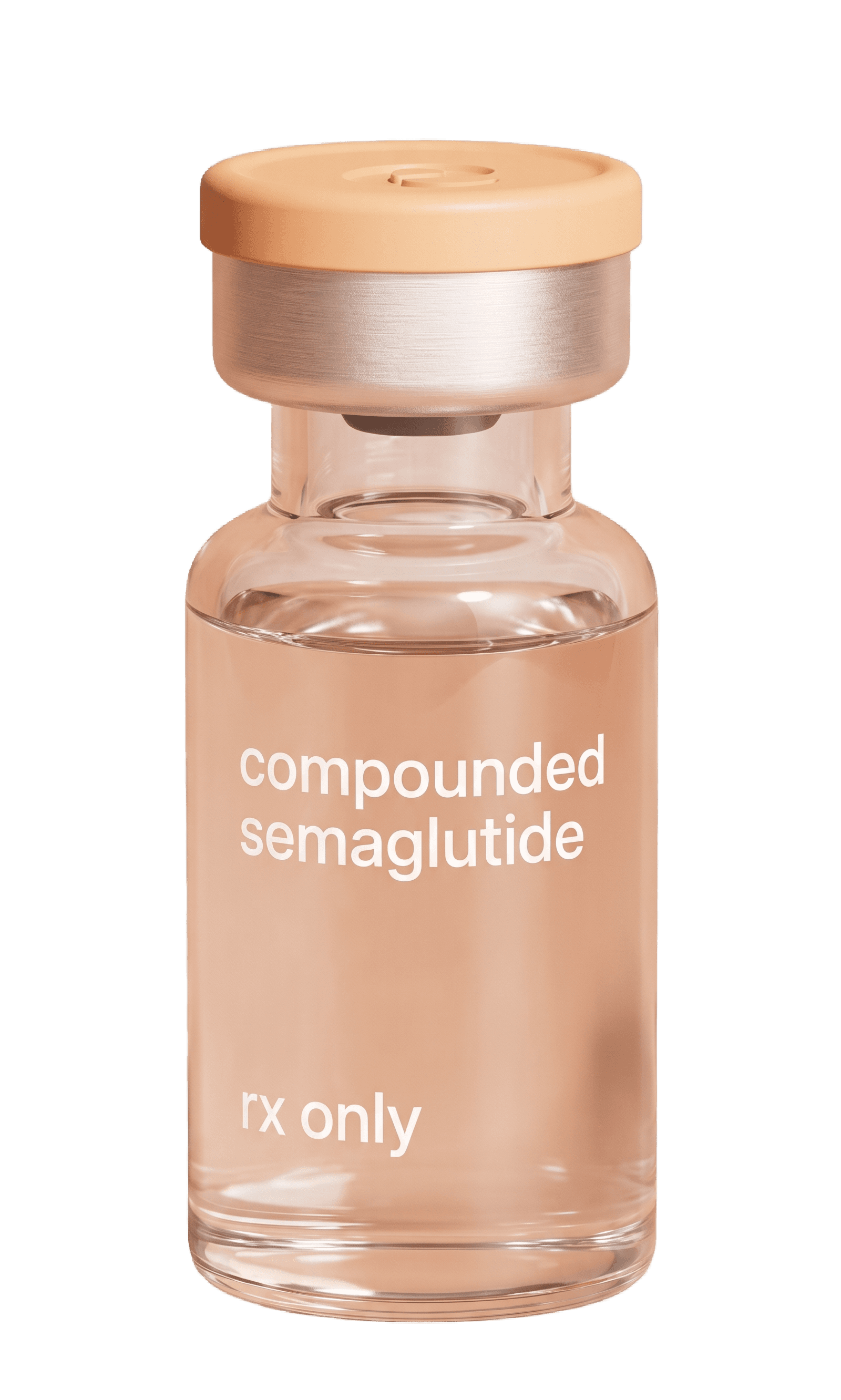
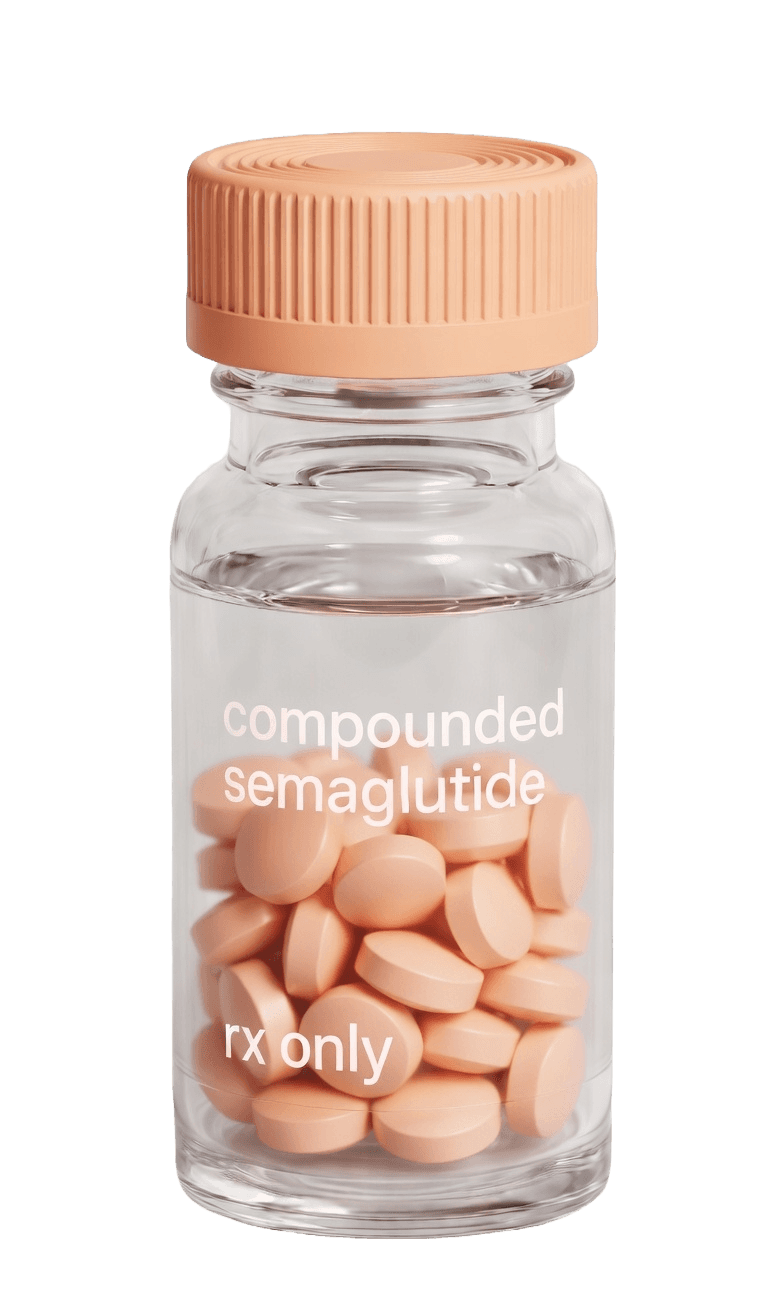
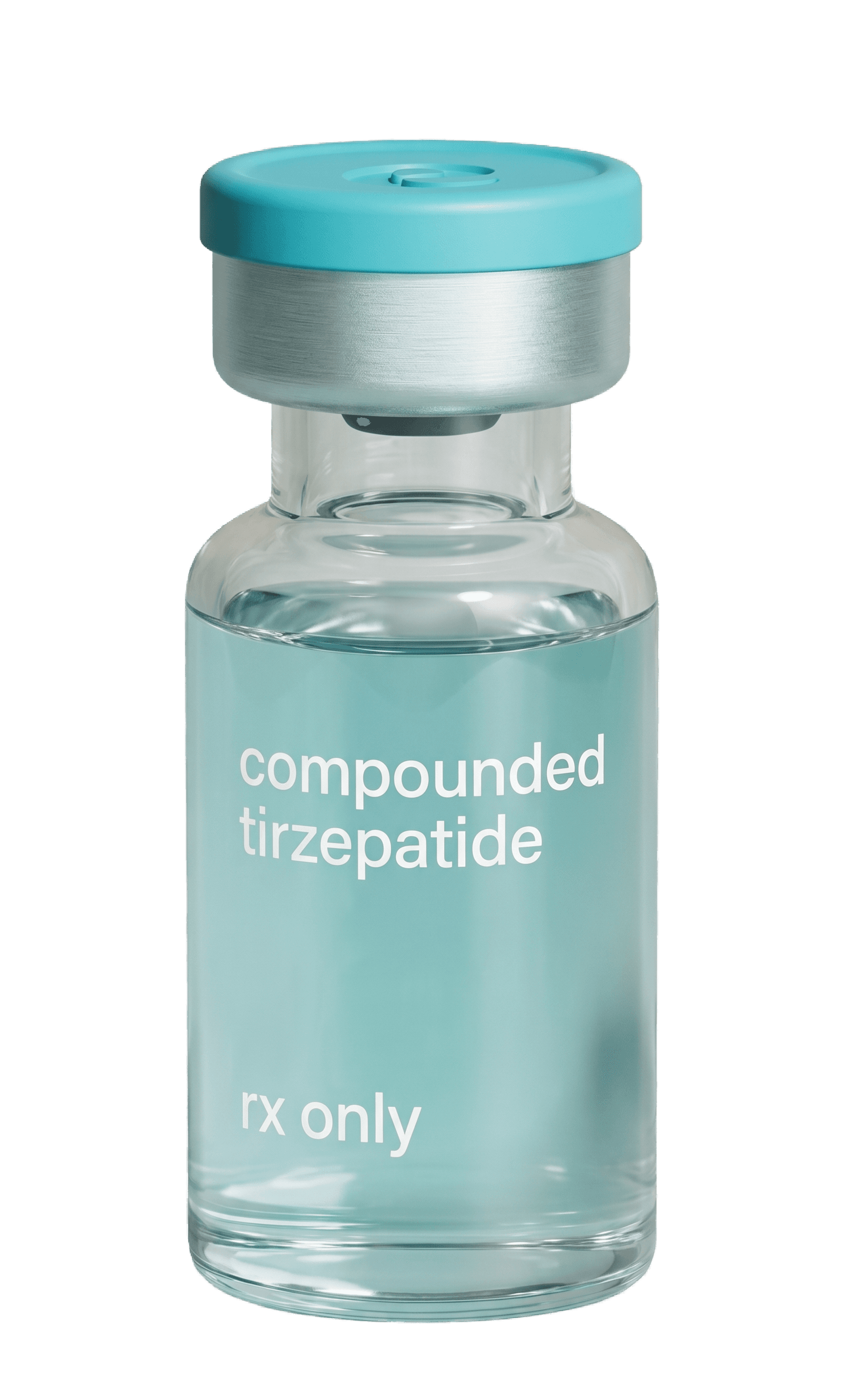
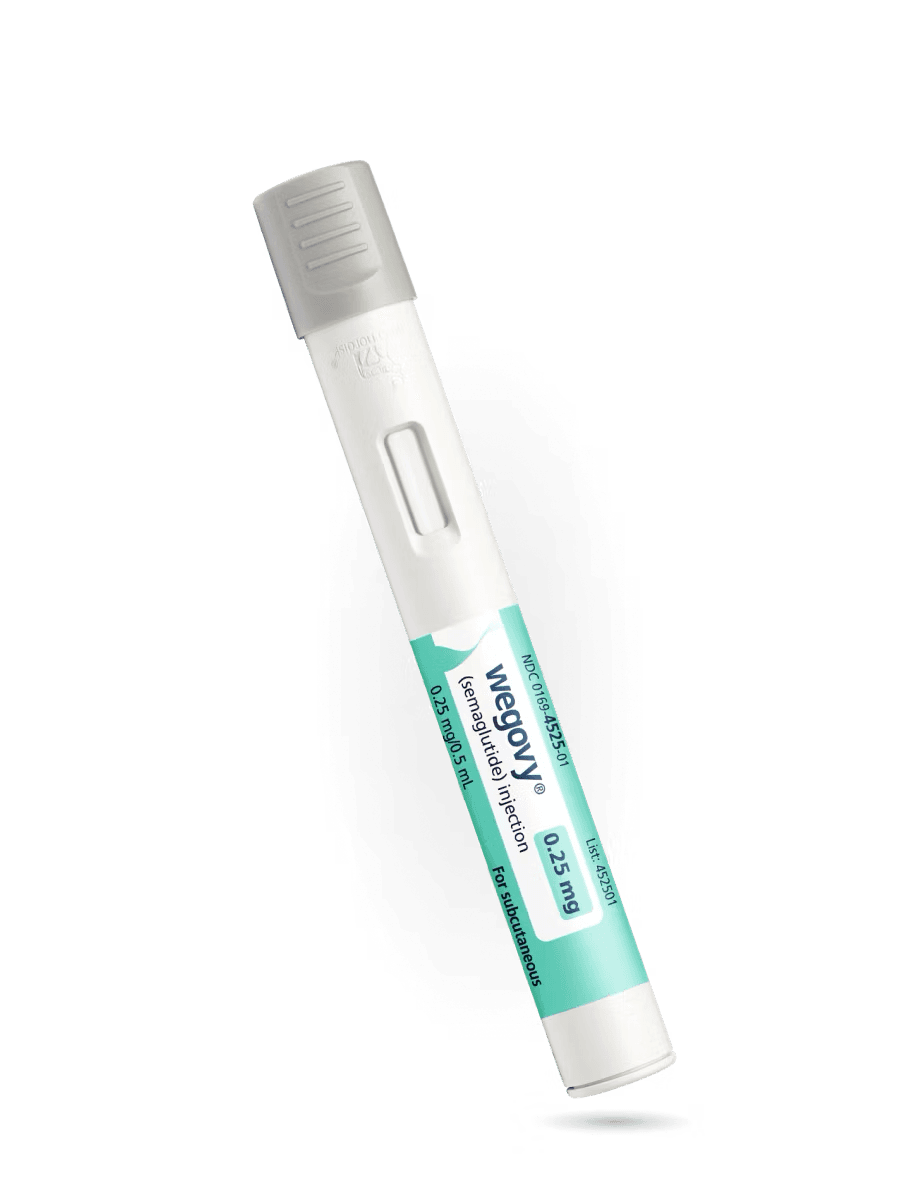
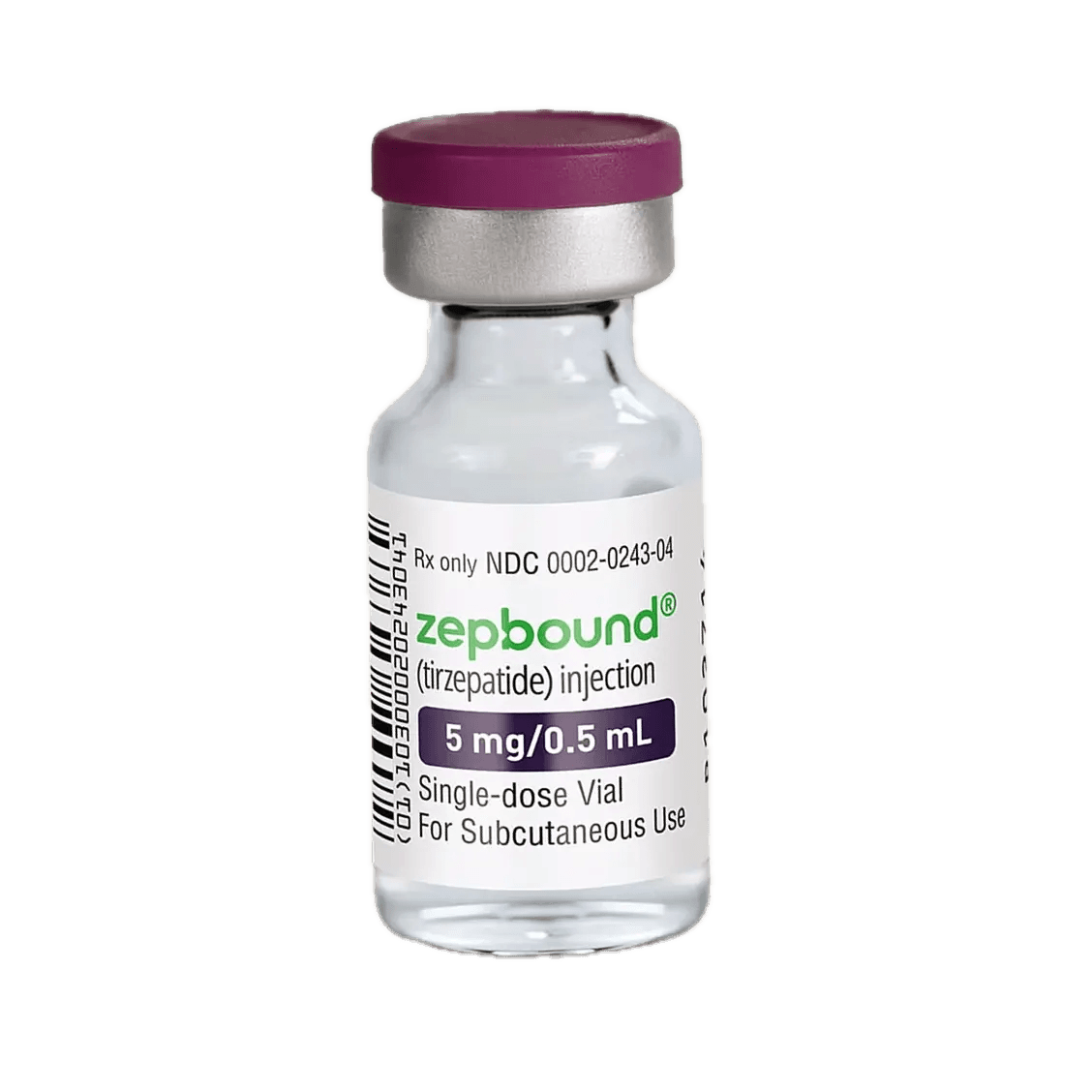
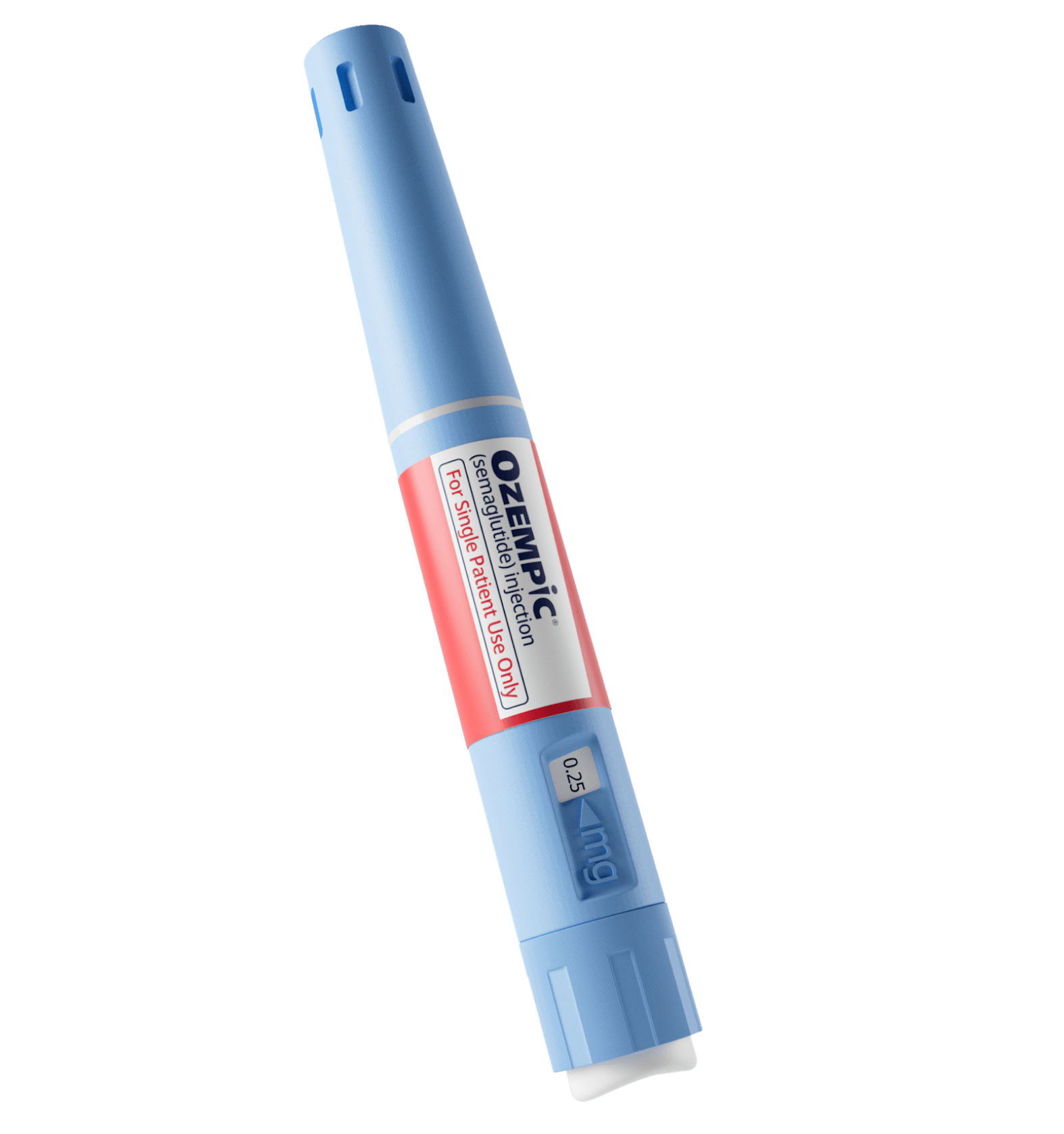
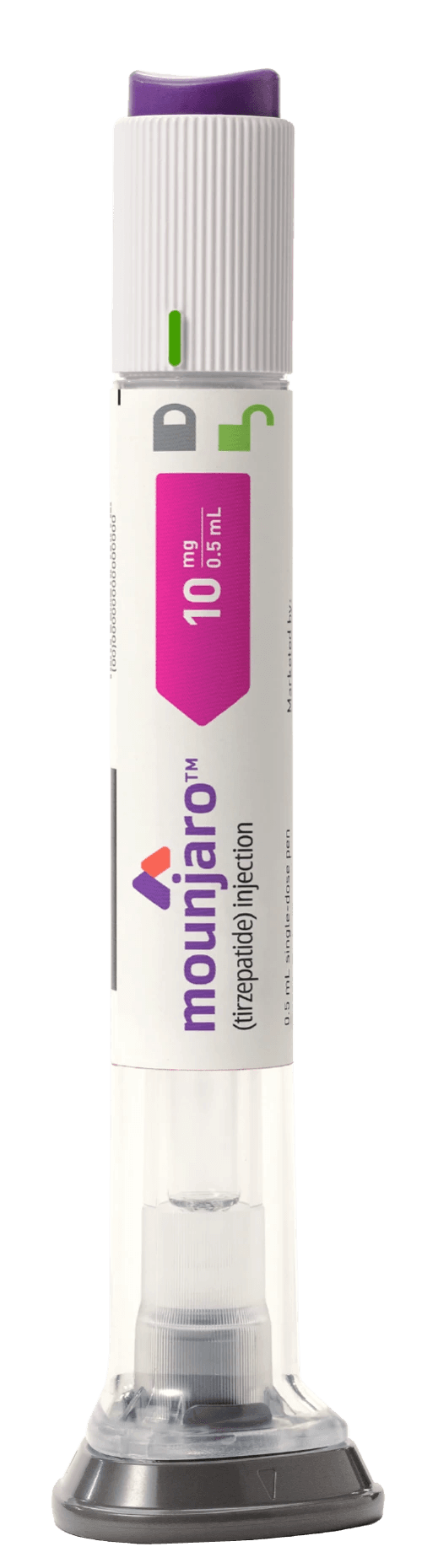
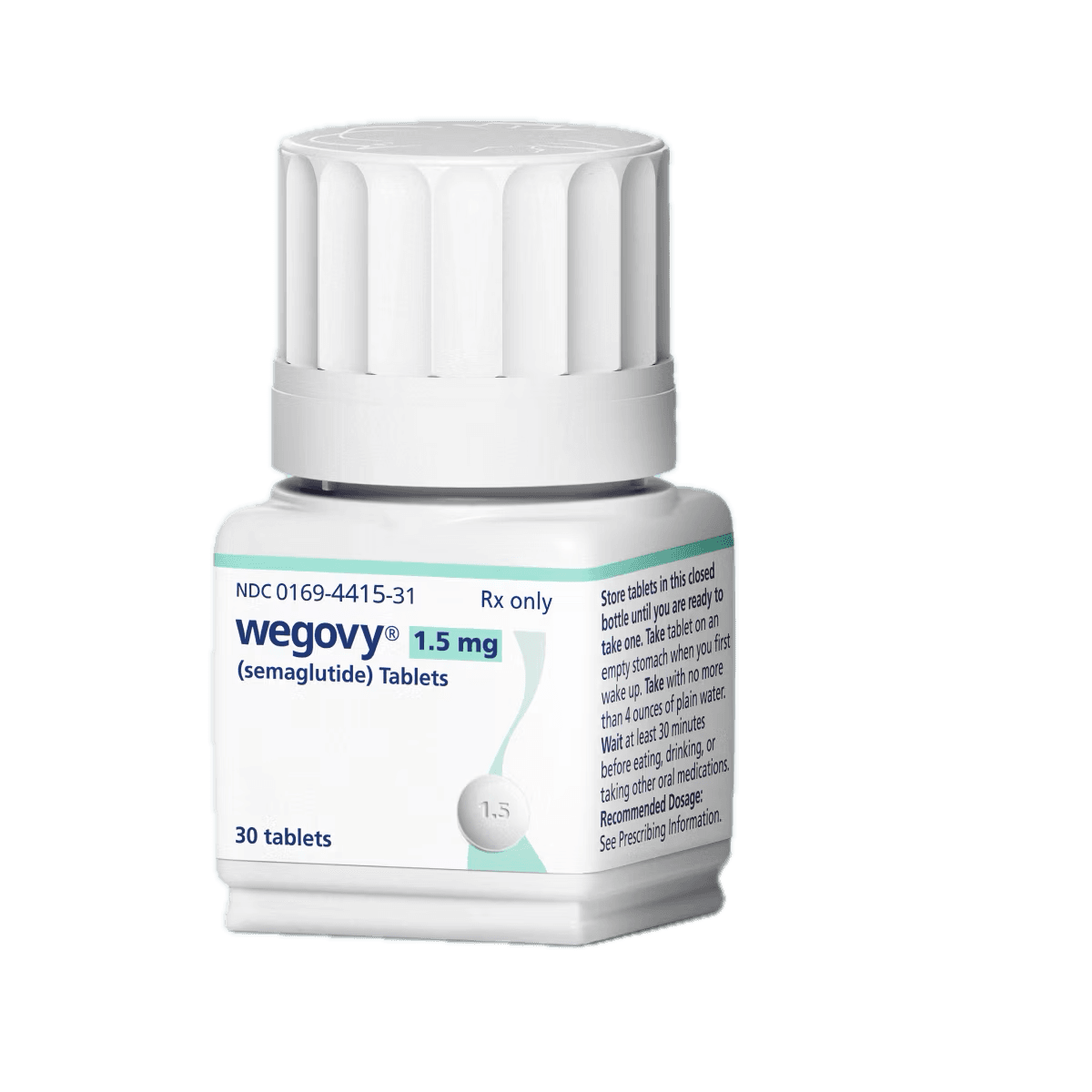
Example GLP-1 Treatments We Can Launch
Cadence: when to ask, how often
The most common mistake is asking too often. The second most common is asking only at intake and never again.
A reasonable default cadence for an active DTC program:
| Touchpoint | What to administer |
|---|---|
| Intake (pre-treatment baseline) | Program-specific PROM + PROMIS-29 short form + structured history |
| 4 weeks | Adherence check, structured side-effect scale |
| 12 weeks | Repeat program-specific PROM, short QoL snapshot |
| 6 months | Full repeat of intake PROMs |
| 12 months | Full repeat, plus a longer satisfaction and outcomes review |
| Annually thereafter | Annual snapshot |
| Event-triggered | Side-effect report, missed refill, pause request, support escalation |
This is a default, not a rule.
A maintenance patient one year into a GLP-1 program does not need a full intake battery every quarter. A patient who just switched products may need an event-triggered check-in.
The principle: every PRO sent should have a clear purpose the patient can feel.
If the patient does not understand why they are being asked, the form gets ignored. Worse, the patient starts ignoring all program messages.
For broader email cadence design, see Email Marketing for Telehealth Brands: The Core Flows Every Program Needs.
Surface: portal, email, SMS, in-app, or visit
Where a PROM is administered changes completion rates dramatically.
| Surface | When it works | When it does not |
|---|---|---|
| In the patient portal as a required step before a visit or refill | High completion, clear value link | Patient may rush, perceived friction |
| Standalone email with a link | Works for opted-in, engaged patients | Low completion in busy populations |
| SMS with a short link | Works for short instruments (3 to 7 items) | Long instruments fail on mobile |
| In-app on first session of the day | Highest completion for short PROMs | Limited to mobile-app patients |
| Inside a video or async visit | Useful for clinician-administered intake | Mixes PRO with clinical conversation, hurts validity |
| Pre-visit web form | Excellent for intake and pre-renewal | Cannot be required mid-visit without breaking flow |
A useful pattern:
- Long intake batteries belong in the portal or pre-visit web form
- Short event-triggered check-ins belong in SMS or in-app
- Adherence and side-effect prompts belong in email or SMS, tied to medication cycle
- Provider-administered measures (rare in DTC, but possible) belong inside the visit
The principle is to match surface to length. A 29-item instrument over SMS is a mistake. A two-question side-effect prompt in the portal is a waste of the portal.
Copy: how to ask without sounding like a survey
PROM language was written for research. Patient-facing copy needs to translate it.
Bad: "Please complete the IWQOL-Lite questionnaire."
Better: "A short check-in on how you're feeling and how the program is working for you. Takes about three minutes."
Bad: "PHQ-9 depression screening required."
Better: "A short mood check-in. Your provider will see this before your next visit."
Three principles for copy:
- Tell the patient what the instrument is for, in plain language
- Tell the patient what happens with the data (the provider sees it, the program uses it, the brand reports it in aggregate)
- Tell the patient how long it takes
The same principles apply to email subject lines, SMS, and portal banners.
Patients tolerate short, purposeful instruments. They resent long, unexplained surveys.
For broader context on patient communication, see Pre-Checkout Patient Communication: Five Messages That Increase Completion.
How to integrate PROs into provider review
This is where most programs underuse the data they collect.
A provider review screen that shows the prescription, the order history, and the chart but hides the PROs is missing the point.
A useful integration pattern:
- The most recent PROM scores are visible at the top of the chart, with trend direction
- Score changes beyond a threshold trigger a banner (for example, PHQ-9 going from 6 to 14, or KCCQ dropping more than five points)
- Free-text fields collected alongside PROMs are surfaced near the score
- The provider can document interpretation and action inside the chart
A few specific rules:
- The PROM is patient-reported. The provider's interpretation belongs in a separate field
- A worsening PROM should always be acknowledged, even if no action is taken
- Provider templates should reference relevant PROMs by name in the rationale section
The result is a chart that reads like a real clinical record, not a list of refills.
For broader context, see How to Use Healthie Charting Notes in a Telehealth Workflow Without Creating Double Work.
How to use PROs in retention
PROs make the difference between reactive retention and proactive retention.
Patterns that work:
- Side-effect severity spike triggers a provider check-in within 48 hours
- PHQ-9 score crossing a threshold triggers a mental health referral or in-program support
- IWQOL-Lite plateau triggers a coach or provider conversation about plan adjustment
- Epworth score not improving at 12 weeks in an OSA program triggers a treatment review
- Adherence score dropping triggers an early call before the patient cancels
In each case, the PRO becomes the signal that something is happening before the patient sends a cancel message.
A team that runs PROs well usually finds that the highest-leverage retention work is in the bottom quartile of self-reported outcomes, not in the average patient.
For context on the cancellation conversation, see Month 2 Churn in GLP-1 Programs: Why Patients Drop and How to Recover Them.
How to use PROs in partnerships and payer conversations
Aggregate PROs are the most credible artifact a DTC brand can bring to a B2B conversation.
A useful structure:
- baseline distribution of the relevant PROM across the patient population
- change at 12 weeks, 6 months, and 12 months
- distribution of change (not just average)
- subgroup outcomes (by indication, age, baseline severity, geography)
- comparison to published trial or registry data where appropriate
- consent and de-identification methodology
This is the artifact employers, benefits platforms, manufacturers, and payers actually want to see.
Cautions:
- Do not present individual patient data without explicit consent
- Do not cherry-pick the best-performing cohort
- Do not present PRO improvement as causation without acknowledging confounders
- Do not promise an outcome to a partner that the data does not support
If a brand cannot pass an audit of its outcomes story, the partnership is short-lived.
For broader context on partnership readiness, see How to Evaluate ROI on a Telehealth Platform Without Getting Lost in Vanity Metrics.
How to use PROs in marketing without breaking trust
This is where most brands get into trouble.
Defensible patterns:
- "In our most recent cohort, patients reported a [X point] improvement on [named PROM] at 12 weeks. Individual results vary."
- "[X percent] of patients in our program reported [specific symptom or function] improvement at 6 months on [named PROM]."
- "Our average patient reported [specific outcome] at [timeframe], measured by [named PROM]."
Indefensible patterns:
- "Patients lose 20 pounds in three months." (no PROM, no cohort, no methodology)
- "Our patients are happier." (vague, no instrument)
- "Better than the competition." (no comparison data, comparative claim risk)
- Quoting a single patient story as if it represents the cohort
The line is methodology. A real PROM, a real cohort, a real time window, and a clear "individual results vary" disclaimer is defensible.
Stitched-together vibes are not.
For broader marketing context, see Trust Signals on Telehealth Landing Pages: Conversion Without Hype and Marketing Your GLP-1 Program in 2026.
Privacy and consent considerations
PROs are health data.
That has implications most marketing teams underestimate.
HIPAA
If your program is a covered entity or business associate, PROMs collected from patients are PHI. They must be stored, transmitted, and shared under a BAA where applicable, with appropriate access controls.
Consent
Patients should be told at intake:
- that the program will ask for PRO data at specified intervals
- what the data is used for (clinical care, program improvement, aggregate reporting)
- whether identified or de-identified data may be shared with partners
- how to opt out of optional PROMs without losing access to care
De-identification
Aggregate reporting to partners and external audiences should use de-identified data. The HIPAA Safe Harbor method or a qualified expert determination are the two standard paths.
Sensitive instruments
Some PROMs (PHQ-9 question 9 on suicidal ideation, sexual function instruments, eating behavior questionnaires) raise the sensitivity bar. These need:
- a clinical escalation path if a response signals risk
- specific consent language
- careful surface choice (a PHQ-9 over SMS is risky)
For broader context on data ownership, see Data Ownership in DTC Telehealth: Questions to Ask Before Choosing a Platform.
Tech stack considerations
PROs are not just a content problem. They are a data problem.
Capabilities the platform should have:
- structured PROM definitions (item bank, scoring logic, version history)
- versioning so that changes to an instrument do not break longitudinal trends
- surface adapters for portal, email, SMS, and in-app
- scoring at the point of completion, with the score and the raw responses stored
- threshold-based triggers that can call other systems (CRM, support, provider task)
- audit trail for every PROM administered and completed
- export to a research-grade format for partner reporting
- de-identification pipeline for aggregate use
- integration with the chart so providers see what the patient reported
If your current platform cannot do these things, the gap is bigger than a survey tool.
For broader stack thinking, see DTC Telehealth Tech Stack Before the First Patient Starts Care.
An implementation checklist for the first 90 days
Use this as a sprint plan.
Strategy and selection
- Program list - Which programs will collect PROs first?
- Instrument selection - Which PROMs by program, with public-domain preference?
- Cross-program baseline - Will PROMIS-29 (or similar) be used across programs?
- Outcomes definition - Which outcomes will the brand publicly stand behind?
- Partner audit list - Which partners or payers are already asking for outcomes data?
Cadence and surface
- Baseline placement - Where does intake PRO collection live?
- Follow-up schedule - 4-week, 12-week, 6-month, 12-month cadence locked in.
- Event triggers - Side-effect, missed refill, pause request, escalation events mapped.
- Surface assignment - Portal, email, SMS, in-app assignments by length.
- Copy review - Plain-language framing, no jargon, clear time estimate.
Provider workflow
- Chart integration - Most recent PROM scores visible on chart open.
- Threshold banners - Worsening scores trigger visible warnings.
- Interpretation fields - Provider can document interpretation separately.
- Escalation rules - Sensitive responses trigger clinical escalation.
- Provider training - Team understands what each PROM measures and when to act.
Data and tech
- Item bank loaded - All selected PROMs with scoring logic and version control.
- Audit trail - Every administration and response logged.
- De-identification pipeline - Process for aggregate use ready.
- Export format - Research-grade export for partners defined.
- BAA coverage - All vendors handling PRO data under BAA.
Patient communication
- Intake disclosure - Patients told at signup that PROs are part of the program.
- Opt-out path - Optional PROMs have a clean opt-out without losing care.
- Help content - Help center explains what PROs are and why the program uses them.
- Sensitive routing - PHQ-9 and similar instruments have clear support routing.
Reporting and use
- Internal dashboard - Leadership sees aggregate PRO trends weekly.
- Retention triggers - PRO signals feed retention workflows.
- Provider summary - Aggregate provider-level outcomes available for clinical leadership.
- Partner reporting - One-page outcomes summary ready for B2B conversations.
- Marketing review - Outcomes claims reviewed against PRO methodology by qualified counsel.
Metrics that prove the program is working
A PRO program needs its own dashboard.
| Metric | Why it matters |
|---|---|
| PROM completion rate at baseline | Foundation. Below 60% is a design problem |
| PROM completion rate at 12 weeks | Follow-up health |
| PROM completion rate at 6 and 12 months | Long-term engagement |
| Time to complete (median) | Surface and length design check |
| Score change at 12 weeks (mean and distribution) | Outcomes signal |
| Score change at 12 months | Real outcomes |
| Threshold-triggered provider actions | Workflow value |
| Escalations from sensitive responses | Safety value |
| Patient opt-out rate | Trust signal |
| Aggregate report frequency to partners | Commercial value |
| Marketing claim audit pass rate | Compliance health |
| Retention difference between PROM completers and non-completers | Indirect program value |
For broader operations dashboards, see Weekly Telehealth Ops Dashboard: 12 Metrics Leadership Should Review.
Common mistakes when launching PROs
A few patterns to avoid.
Inventing instruments
A custom 12-item "wellness score" feels modern and is usually worthless. Use validated PROMs first. Add custom items only where no validated option exists.
Asking too often
A weekly survey trains the patient to ignore the program. Default to monthly or longer for active PROMs, with event-triggered shorter check-ins.
Surveying without acting
If a patient reports worsening and nothing happens, the patient learns the form is theater. Every PROM should have a documented action rule.
Hiding the data from providers
PROs are clinical data. If providers cannot see them in the chart, they cannot use them.
Marketing claims that outrun the data
The single fastest way to lose the credibility PROs give a brand is to overclaim what they show. If 47% of patients improved on the named scale, say that. Do not round up to "most patients."
Treating PROs as a one-time intake artifact
PROs are longitudinal. A baseline without a follow-up is half a sentence.
Forgetting privacy
Sensitive responses (suicidal ideation, sexual function, eating behavior) need clinical escalation paths and explicit consent. A casual deployment of PHQ-9 over SMS is a real risk.
Sharing without de-identification
Aggregate reporting to partners should use proper de-identification. Sending raw patient-level outcomes to a benefits platform is a compliance event.
How this connects to the rest of the platform
PROs are not a standalone module.
They should connect to:
- the intake, where baseline PROMs are collected
- the patient portal, where follow-up PROMs are administered
- the mobile app, where short PROMs and event-triggered prompts surface
- the CRM, where PROM scores tag patient records and feed retention workflows
- the provider chart, where scores and interpretations live
- the billing engine, where outcomes can be tied to plan changes and renewals
- the support stack, where worsening scores route to the right team
- the analytics layer, where aggregate outcomes are computed and exported
If any of these is missing, the PRO program will feel like a survey tool, not a clinical and commercial system.
For context on the broader integration story, see Telehealth Growth Stack: How to Connect Ads, Intake, CRM, Billing, and EHR.
Final takeaways
PROs are no longer a research artifact. In 2026, they are how DTC telehealth proves it works.
The brands that build a real PRO program will:
- pick validated instruments by program, not invent them
- design cadence so each PROM has a purpose the patient can feel
- match surface to length, not the other way around
- write plain-language copy that explains what is being asked and why
- integrate scores into the provider chart and the retention workflow
- act on worsening signals before the patient cancels
- use aggregate outcomes for honest marketing and credible partnerships
- protect sensitive responses with clinical escalation and explicit consent
- de-identify aggregate data before sharing it externally
- audit marketing claims against the underlying methodology
The brands that skip this will keep talking about results in vague terms.
The brands that do it well will be the ones employers, payers, partners, and patients increasingly choose.
Outcomes data is the new trust signal.
Built carefully, it is also the new growth lever.
Sources for the trends and instruments referenced:
- FDA Releases Updated Guidance on Use of Real-World Evidence in Regulatory Decision-Making for Medical Devices, December 2025 - Duane Morris LLP
- FDA real-world evidence requirements 2025 to 2026 - Castor
- Expert consensus on implementing patient-reported outcomes in telehealth: an international Delphi study - PMC
- Real-World Evidence: Patient-Reported Outcomes - Rethinking Clinical Trials
- PROMIS Health Organization
- Clinical Validity of PROMIS Depression, Anxiety, and Anger across Diverse Clinical Samples - PMC
- Patients' experiences with GLP1-RAs - a systematic review
- GLP-1 Weight Loss Protocol: An Evidence-Based Translation Project - PubMed
- Digital Instruments are Transforming Electronic Patient-Reported Outcomes - ObvioHealth