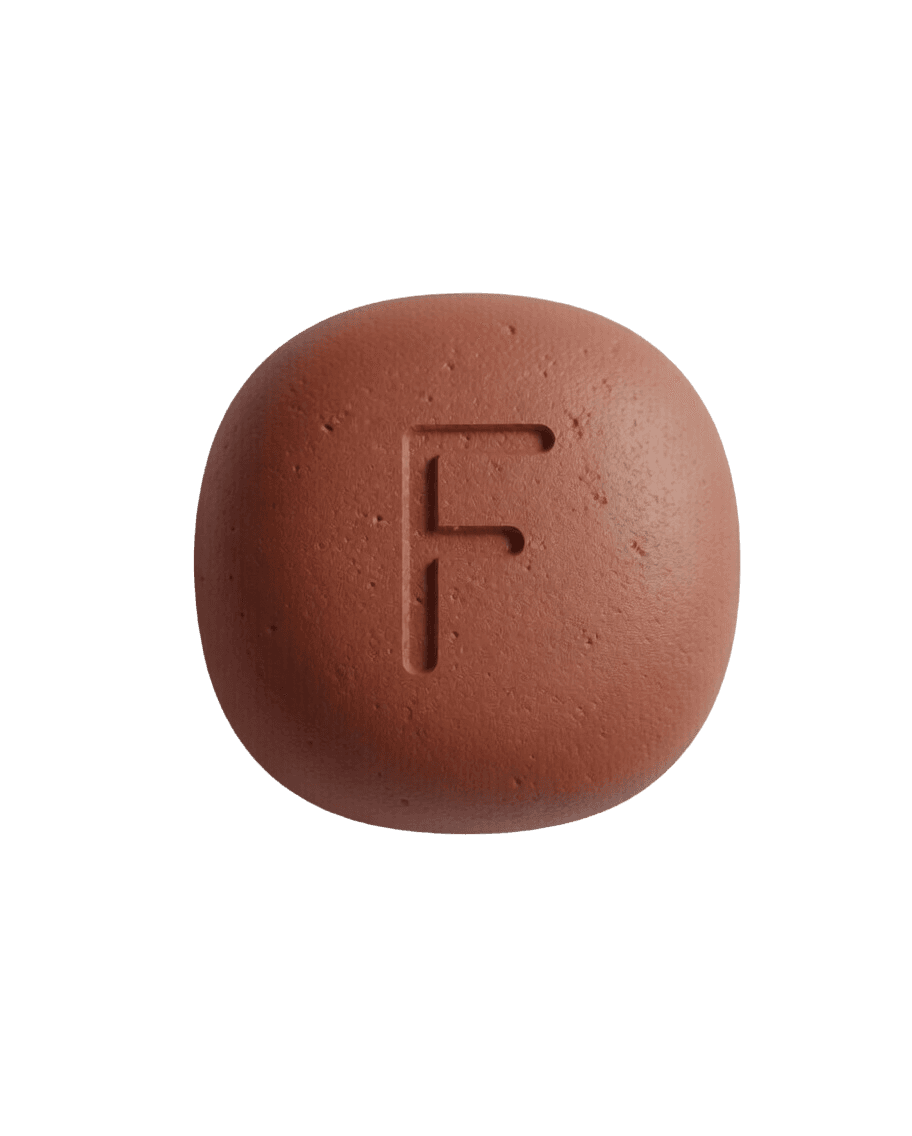
TabletHair LossIn stock

Minoxidil tablet

A low-dose oral minoxidil protocol for hair-loss programs that want a non-finasteride option β€” serves both male and female patients on top of the intake, provider-review, and refill workflows your brand and clinical partners need.

Minoxidil Tablet
Typical dose
0.25–5 mg daily
Patient fit
Men and women
Format
Low-dose oral tablet, once daily
Label status
Off-label for androgenetic alopecia
Rx required
Yes β€” licensed provider review
Counseling
Hypertrichosis and fluid-retention disclosure
About the protocol

A vasodilator repurposed as modern hair-loss therapy

Minoxidil was originally developed as an oral antihypertensive; its ability to extend the anagen (growth) phase of hair follicles is now the basis of low-dose oral use for androgenetic alopecia and other hair-loss presentations. The Sinclair cohort and subsequent studies have shown meaningful hair-density improvements at 0.25 to 5 mg daily, with a safety profile most clinics find manageable through provider-led screening.

  • Extends the anagen phase of the hair cycle, increasing follicle activity and hair density
  • Low-dose protocols (0.25 to 5 mg daily) are the standard for hair-loss use
  • Widely used in both men and women β€” one of the few hair-loss options with strong female fit
  • Prescribed off-label for AGA in the U.S.; public-facing copy should frame it as provider-directed, not FDA-approved for hair loss
Mechanism
Peripheral vasodilator and potassium-channel opener β€” extends follicle growth phase.
Delivery
Low-dose oral tablet, usually once daily at a consistent time.
Onset
Initial shedding possible in the first 4–8 weeks; visible improvement typically after 3–6 months.
Oversight
Provider review covers cardiovascular screening, dose selection, and hypertrichosis counseling.
Program design

The go-to non-finasteride option for hair-loss programs

Low-dose oral minoxidil opens up your program to patients who can't or won't take finasteride β€” women, finasteride non-responders, and men concerned about sexual-health side effects. It also pairs cleanly with finasteride as part of a combination offer.

Works for both male and female AGA
One of the few well-studied hair-loss orals with a meaningful female patient base β€” unlocks a bigger total addressable audience.
Pairs cleanly with finasteride
Common combination offer in men's hair-loss programs β€” distinct mechanisms, complementary effects, clean bundling economics.
Counseling matters
Facial and body hypertrichosis, fluid retention, and rare cardiovascular effects all need to be covered during provider review and in patient-facing education.

Not an FDA-approved indication for hair loss β€” programs should frame low-dose oral minoxidil as a provider-directed, off-label protocol with careful screening rather than a guaranteed therapy.

Launch flow

A simple launch flow for low-dose oral minoxidil

The cleanest setup routes every order through provider review, starts patients at the lowest effective dose for their profile, and uses refill touchpoints to screen for tolerability and unwanted hair growth.

  1. 1
    Step 1
    Intake and cardiovascular screening
    Collect hair-loss pattern, medical history, blood pressure, medications, and pregnancy status. Screen for cardiovascular contraindications and route to a licensed provider.
  2. 2
    Step 2
    Provider review and dose selection
    Provider picks an appropriate starting dose (often 0.625 to 1.25 mg for women, 2.5 to 5 mg for men), counsels on expected shedding, hypertrichosis, and fluid retention.
  3. 3
    Step 3
    Refill and tolerability review
    Use 3-, 6-, and 12-month check-ins to confirm tolerability, adjust dose, and decide whether to combine with finasteride or topical therapy.
Low-dose oral minoxidil for hair loss is an off-label, provider-directed protocol β€” individual dose, monitoring, and continuation belong to the prescribing clinician.
Format comparison

Interactive operator view

Compare how low-dose oral minoxidil usually behaves operationally versus oral finasteride in a hair-loss program. Planning dimensions, not clinical outcome comparisons.

Format comparison by operator dimension
Hover to compare minoxidil versus finasteride.
MinoxidilFinasteride
Strongest current edge
Female AGA fit
Minoxidil scores 88/100 on this dimension.
Clearest difference
Female AGA fit
This is where the two NAD+ formats separate the most in program design terms.
Needs the most support
Regulatory clarity
This is the weakest current score in the comparison, so it is the area most likely to need extra workflow design.

Illustrative operator-planning view based on evidence strength, label scope, side-effect profile, and patient-fit breadth. Not a statement of safety or efficacy for any individual patient.

The Turbopills stack for this program

Everything you need to run an oral minoxidil program

Use your own brand, your own providers, and your own price. The platform ships the intake, provider-review workflow, order routing, billing, and refill logic β€” your team focuses on acquisition.

Product website & ad landing pages
Turbopills AI Studio β€” ad images & videos
Beta
Dynamic intake forms
Billing & subscriptions
Provider review & e-Rx
Pharmacy order routing
Refills & auto-ship
Patient communications
Experiments & A/B tests
Beta
Ready to launch

Launch an oral minoxidil program in weeks β€” not quarters.

The platform ships the intake, cardiovascular screening rules, provider-review logic, counseling scripts, billing, and refill cadence. Plug in your licensed providers and pharmacy partners β€” your team focuses on positioning.

Marketing and educational content only. Clinical details on this page are summarized from publicly available sources to help operators scope a program β€” they are not medical advice, dosing instructions, or a recommendation for any individual patient. Real patient care requires a licensed provider and a compliant pharmacy partner; Turbopills provides the software that helps brands run the program around them.

Related

Other hair-loss treatments