Direct manufacturer access is no longer a press release. It is a channel.
For most of the GLP-1 era, manufacturer DTC felt like marketing.
A landing page. A coupon. A phone number to a partner pharmacy. Most patients still bought through a telehealth brand because access was easier there.
That has changed.
In 2026, manufacturer DTC channels are real distribution. They have:
- their own checkout
- their own pharmacy fulfillment
- their own self-pay pricing
- their own patient support
- their own affiliate and broker programs
- direct relationships with telehealth providers and prescribers
- direct relationships with employer benefits platforms
Patients can now get an approved GLP-1, an approved hair loss medication, an approved ED treatment, an approved migraine drug, and several other branded products with a prescription routed straight to a manufacturer pharmacy.
The molecule is no longer a moat.
That sounds like a problem for DTC telehealth brands.
It is not, if you reposition correctly.
The brands that struggle in 2026 will be the ones whose entire value was "we can get you the drug." The brands that grow will be the ones whose value is the program around the drug.
What manufacturer DTC channels actually do in 2026
It helps to be precise about what is changing and what is not.
Most manufacturer DTC channels share a similar pattern:
- a branded patient-facing site
- a self-pay price for select products
- a pharmacy fulfillment partner
- a way for the patient to bring a prescription from any licensed prescriber
- in some cases, a routed telehealth visit through a partner network
- patient education tied to the manufacturer's label and indication
What manufacturer DTC channels usually do not do:
- run your patient's full care plan
- coordinate across multiple medications
- manage lab review and ordering
- handle prior authorization end to end
- monitor side effects, dose changes, or pauses
- handle complex billing across products and add-ons
- own the long-term clinical and retention relationship
In other words, manufacturers are very good at access to a specific product.
They are not in the business of running a multi-condition care program for a patient.
That is where the DTC telehealth brand still has room to win.
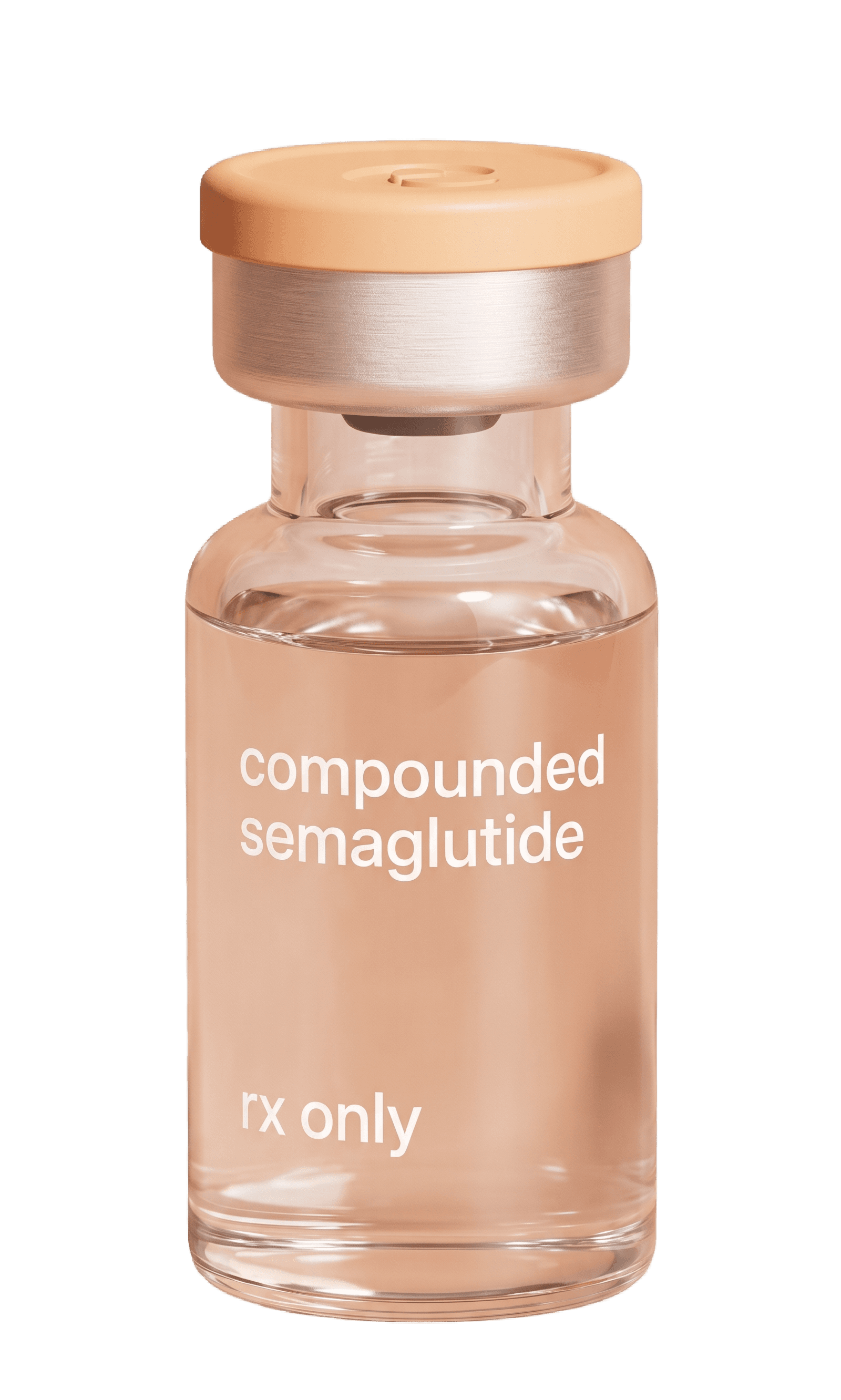
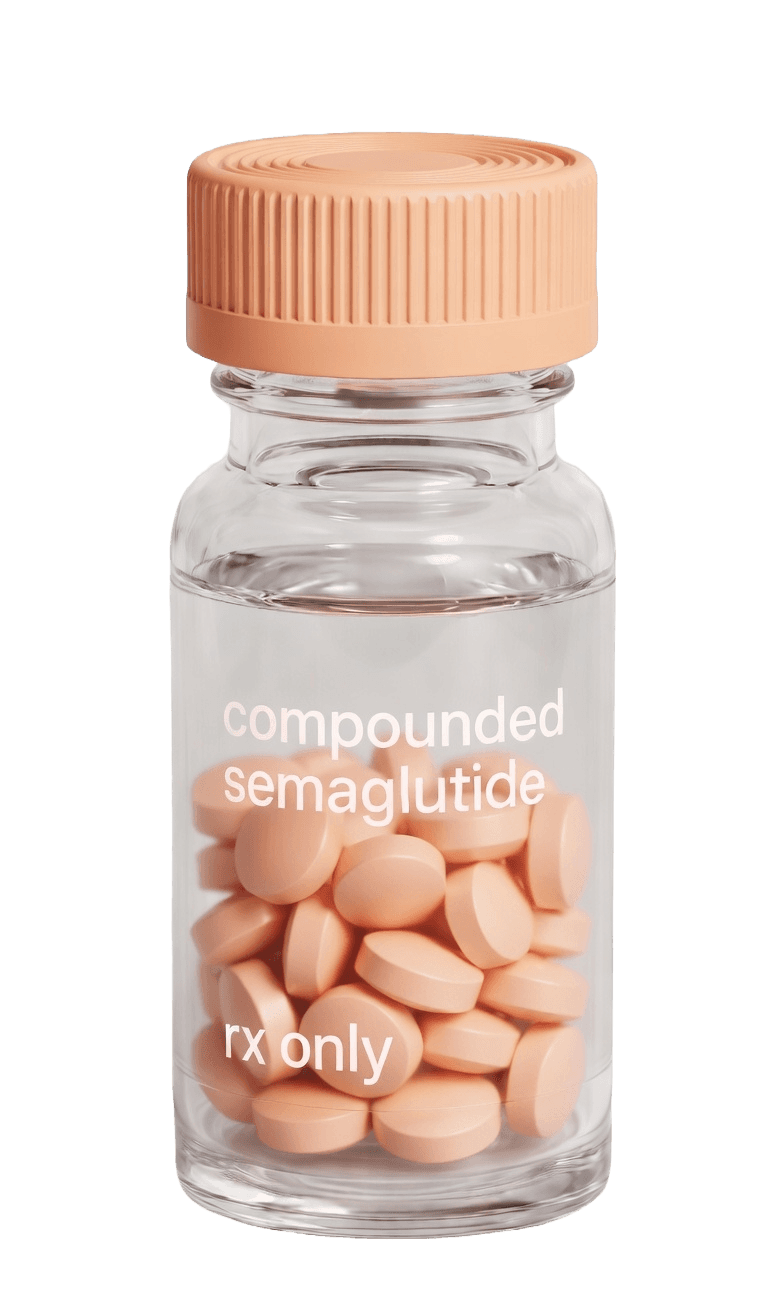
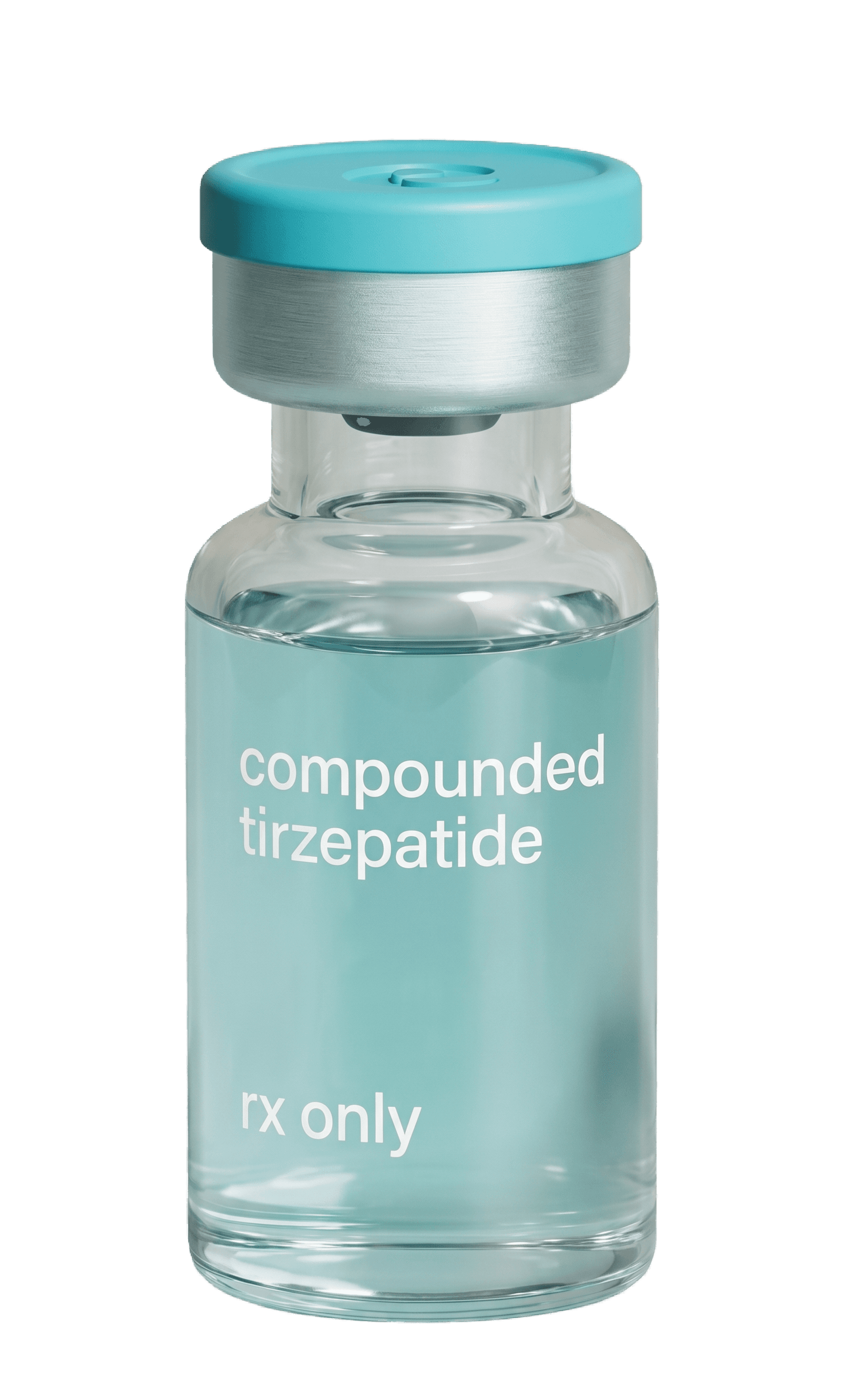
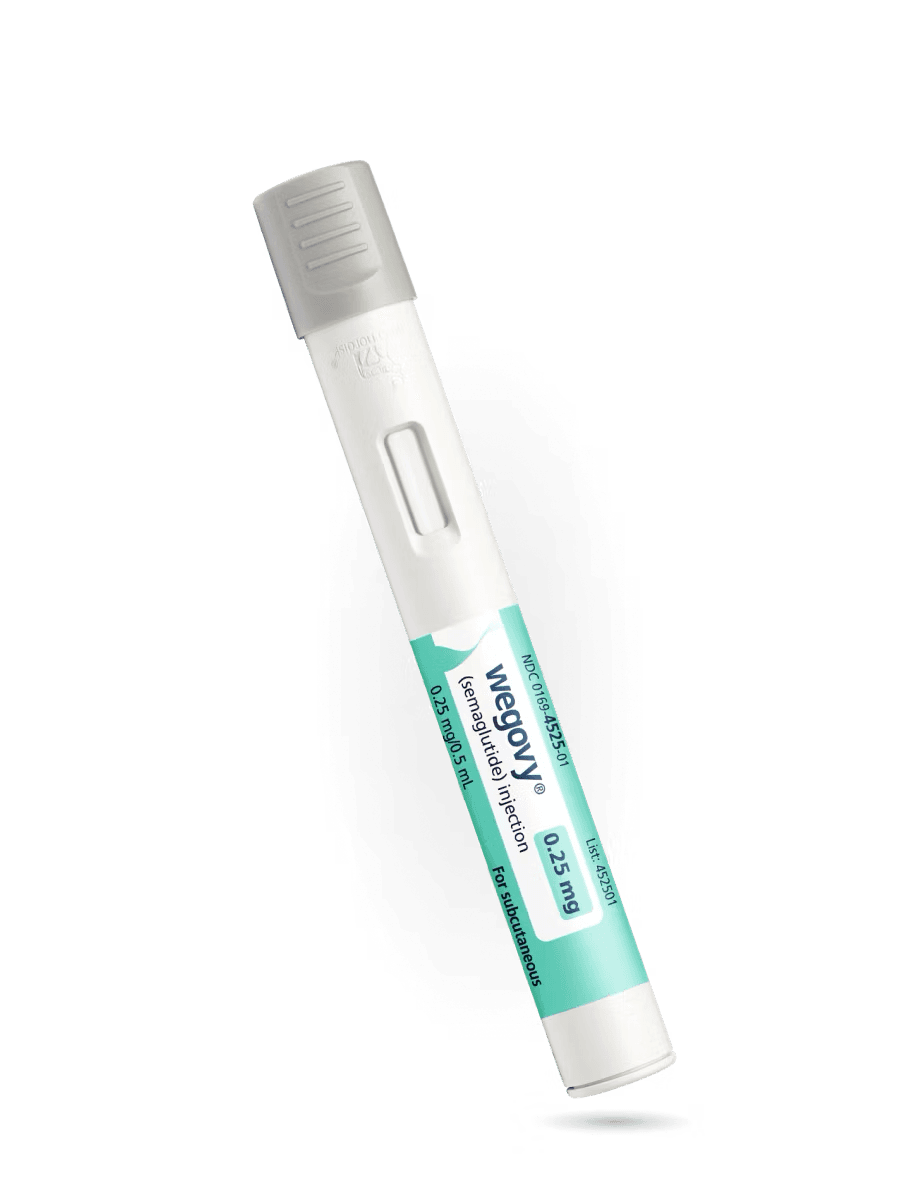
Example GLP-1 Treatments We Can Launch
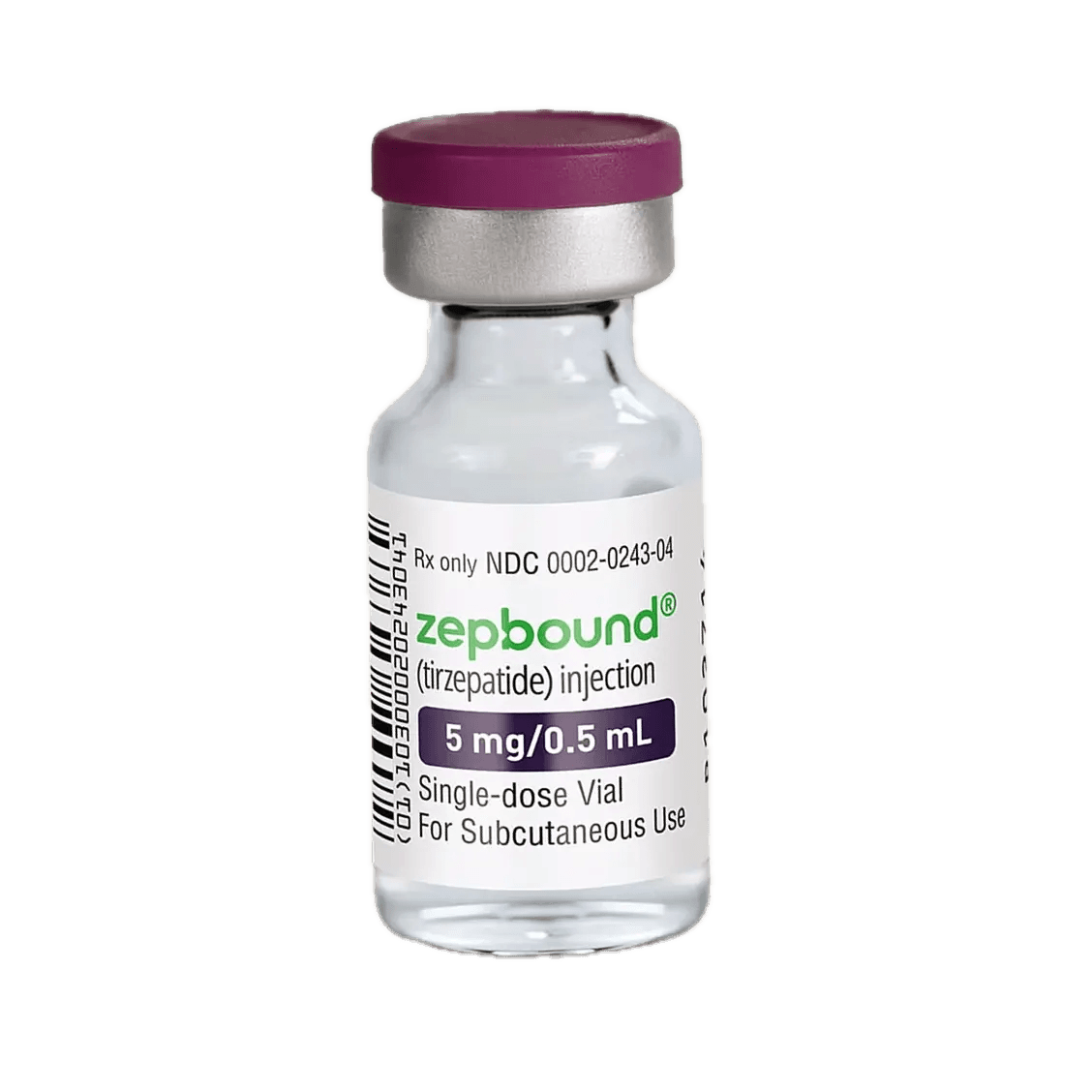
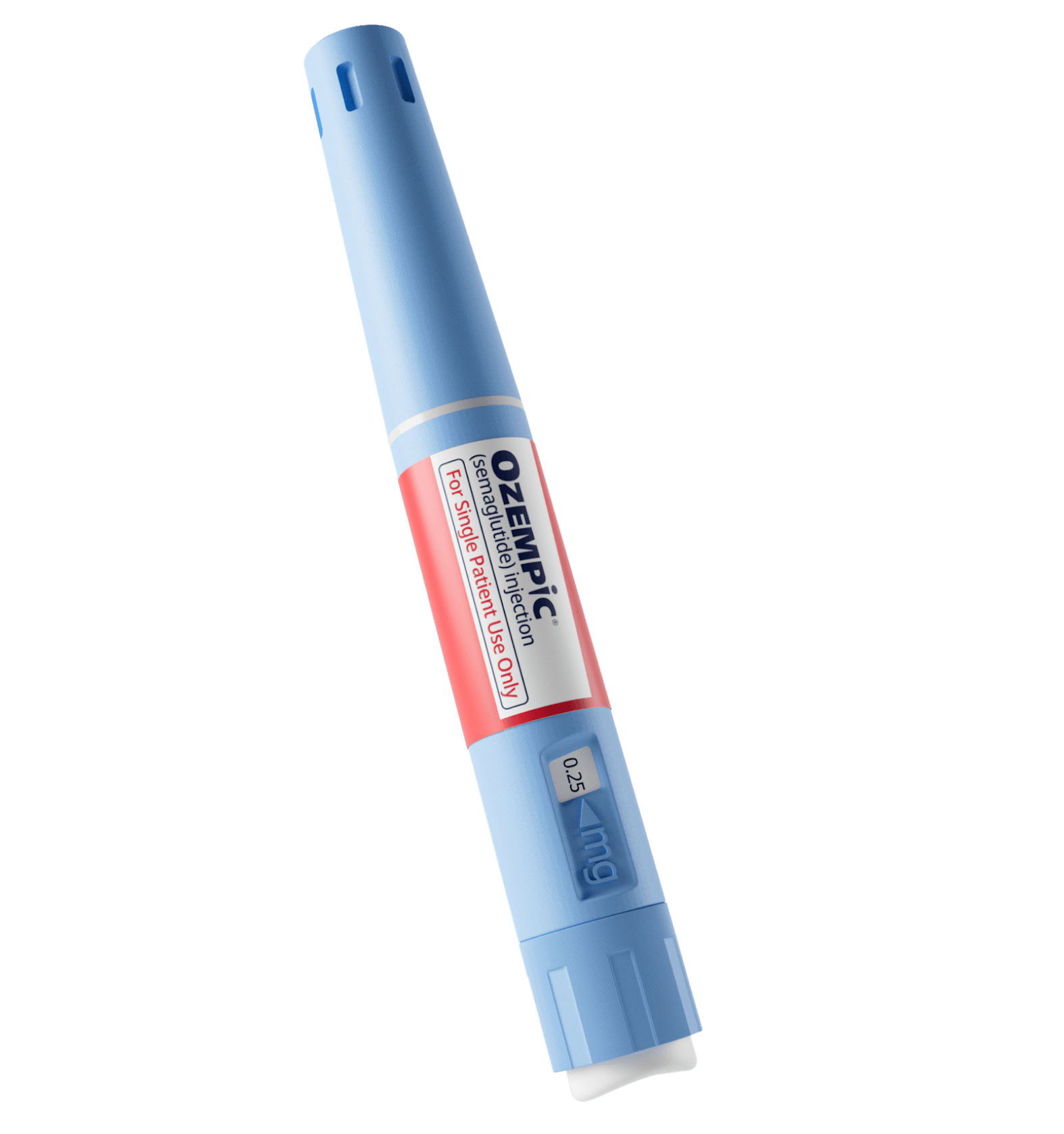
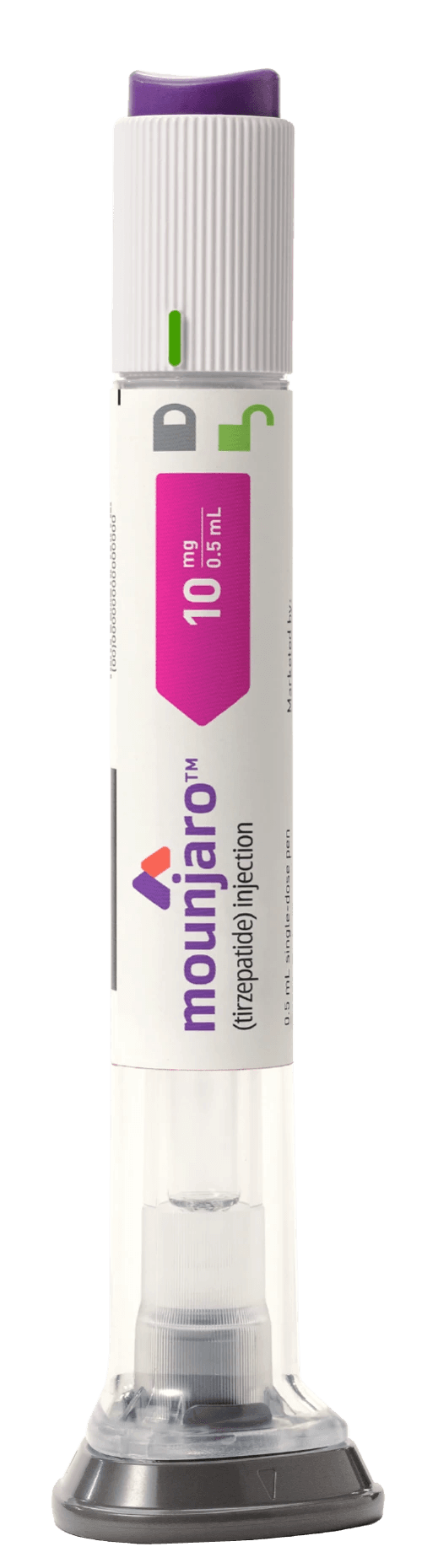
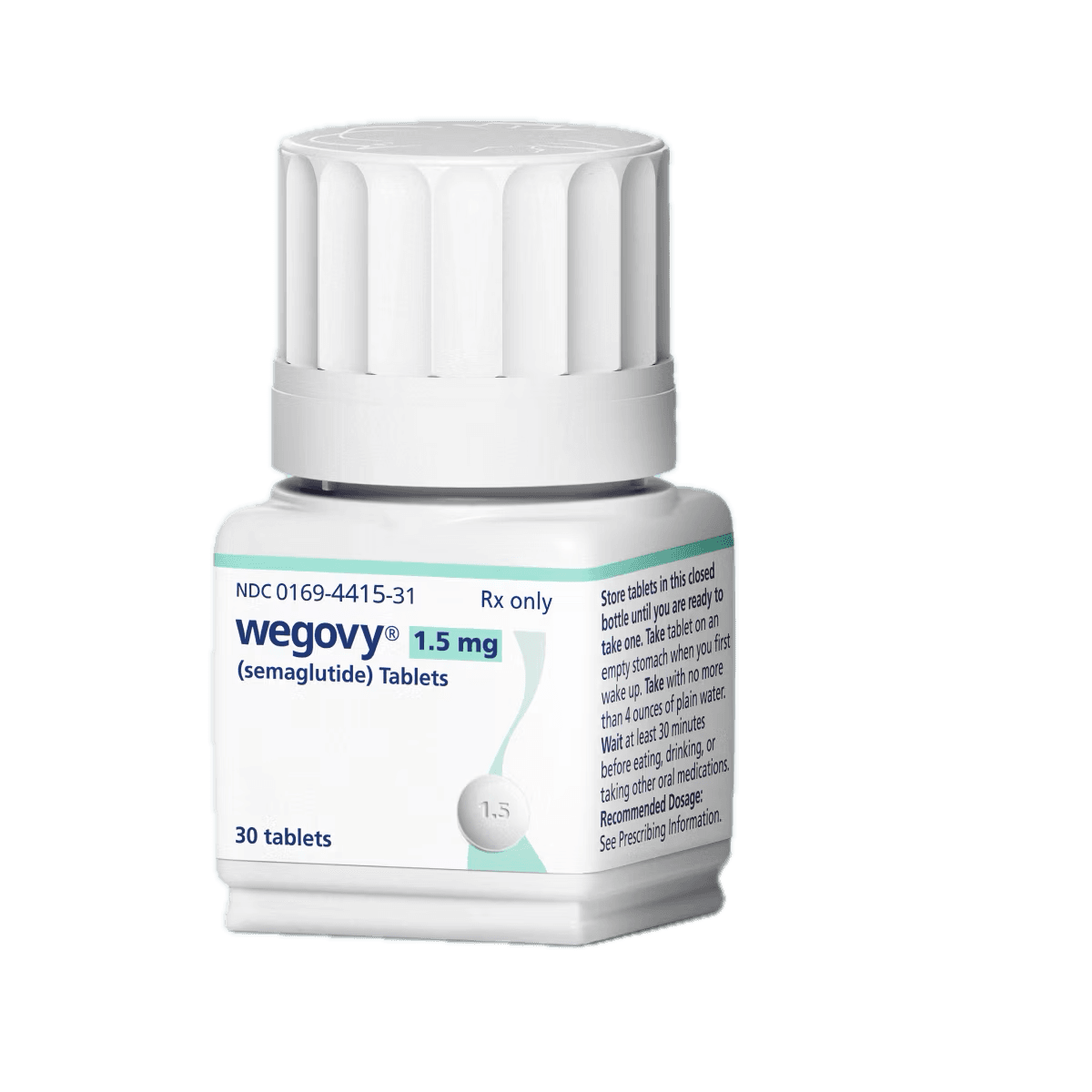
The wrong reaction: compete on price alone
The first instinct when a manufacturer goes direct is to drop prices.
That works for one quarter.
After that:
- the manufacturer can move price faster than you can
- the manufacturer has fewer middle layers
- the manufacturer's brand recognition is higher
- the manufacturer can afford to lose money on access to grow the molecule
- your unit economics get worse just as your acquisition cost gets harder
A price-only response also trains patients to see your brand as a transactional resale.
That is the worst possible identity when a competitor with lower cost of goods enters the same shelf.
The right reaction is not to compete on the molecule.
It is to compete on what only the platform can deliver: program design, coordination, and clinical continuity.
The right reaction: reposition around the program, not the molecule
A useful way to think about this is to separate the patient journey into layers and ask which layer the manufacturer can or cannot own.
| Journey layer | Can manufacturer DTC own it? | Where the DTC telehealth brand wins |
|---|---|---|
| Brand awareness | Yes | Trust, specialty, voice |
| Pricing on a single product | Yes | Bundles, savings across programs |
| Intake and eligibility | Partially | Multi-program intake, clinical depth |
| Provider review | Partially | Continuity, named clinician |
| Prescription to a manufacturer pharmacy | Yes | N/A |
| Multi-product care plan | No | Combinations, sequencing, switches |
| Lab ordering and review | No | Owned lab workflow |
| Side-effect and dose support | Limited | Full care team, structured monitoring |
| Subscription and billing | Partially | Multi-SKU, pause, swap, refund logic |
| Retention and outcomes | No | PRO collection, long-term outcomes |
| Adjacent program expansion | No | Hair loss, sexual health, menopause, peptides |
The brands that win in 2026 will sound less like an online pharmacy and more like a care program.
That distinction is what allows price-sensitive patients to still choose you.
Where the DTC telehealth brand still beats manufacturer direct
It is worth being concrete about the wins.
1. Multi-product and multi-condition care
Manufacturers sell their own portfolio.
Your platform can prescribe and coordinate across multiple manufacturers, products, and indications.
A patient on a GLP-1 may also need:
- hair loss treatment
- migraine prevention
- sleep apnea support
- mental health care
- sexual health support
- hormone therapy
- dermatology
- general primary care
If your brand can carry the patient across those programs with one chart and one care team, no manufacturer DTC can match that.
2. Switching, sequencing, and combinations
A manufacturer-owned channel is unlikely to recommend switching the patient to a competitor's product.
Your platform can.
If a patient does not tolerate semaglutide, you can route them to tirzepatide. If oral does not work, you can route them to injectable. If a peptide is more appropriate, you can offer it.
That flexibility is a clinical and retention advantage.
For context on the wider product set, see New GLP-1 Products in 2026: The Telehealth Product Map.
3. Lab ordering and review
Manufacturer DTC channels do not own labs.
Telehealth platforms that order, review, and follow up on labs have a much stronger clinical story for any chronic program.
For deeper context on the lab workflow, see Telehealth Lab Workflow Design: Preventing Drop-Off Between Order, Completion, and Review.
4. Side effects, dose changes, and pauses
A patient on a serious medication needs more than a refill button.
They need:
- a place to message a provider
- structured side-effect intake
- dose adjustment workflows
- pause and resume logic
- escalation to a clinician when needed
That is operationally hard.
It is also exactly the kind of value a manufacturer pharmacy is not built to provide.
5. Subscription and bundle economics
Manufacturer pricing is single-SKU.
Your platform can build:
- multi-product subscriptions
- starter and maintenance plans
- annual prepay options
- bundled lab, medication, and check-in pricing
- pause and rejoin pricing
- loyalty pricing for long-term patients
This is where billing engineering becomes a real moat.
6. Care continuity and named providers
Patients value seeing the same clinical team over time.
Manufacturer channels rotate prescribers through partner networks.
A DTC brand with provider continuity, structured charting, and patient portal messaging has a different relationship with the patient over twelve months.
For more on this, see Provider Network vs. Your Own Clinicians: How DTC Telehealth Brands Should Decide.
7. Multilingual and accessibility coverage
Manufacturer DTC channels are usually English-first.
DTC brands that invested in multilingual intake and accessible portals serve markets the manufacturer often does not.
Related reading: Multilingual Telehealth Intake: Language Access as a Growth Lever.
What changes inside your intake when patients have manufacturer DTC as an option
If your intake still says "the only way to get this medication is through us," it is now misleading.
Patients increasingly know there are direct channels.
Stronger intake design acknowledges that, and uses it.
Update the intake to capture:
- whether the patient has previously bought direct from a manufacturer pharmacy
- whether the patient currently has a prescription from another provider
- whether the patient is looking for medication access only or full program care
- whether the patient is comparing price, program, or speed
- whether the patient is on or considering switching products
This is not just market research.
It is clinical context that improves provider review and shapes which program path the patient is offered.
What changes inside your provider review
Provider review used to assume the patient was buying the medication through the brand.
In 2026, that is not always the case.
Some patients will arrive wanting:
- a prescription routed to a manufacturer pharmacy
- a second opinion on a manufacturer DTC prescription
- a switch from a manufacturer product to another product
- ongoing care after starting through a manufacturer channel
- lab review for a medication they did not get through you
Provider workflows should support all of these without breaking.
That means:
- letting providers route prescriptions to multiple pharmacy partners
- letting providers continue care for patients who started elsewhere
- letting providers document that the patient is on a manufacturer-direct script
- letting providers update the care plan if the patient swaps channels mid-program
A brittle workflow that only supports your in-house pharmacy will lose patients to channels that support theirs.
What changes inside your billing
When a manufacturer DTC channel exists at a lower self-pay price, your billing has to do more than charge.
It has to explain.
Strong billing UX in 2026 should make clear:
- what the patient is paying for if not the molecule
- what is included beyond medication (program, provider, labs, support)
- how the program price compares to medication-only access
- what is refundable if treatment is not approved
- how to pause, swap, or cancel without friction
- how add-ons are priced
- how price changes are communicated
If the patient cannot articulate why they are paying you instead of the manufacturer, they will leave.
Strong messaging in the billing flow can keep them.
For more on this, see Billing UX in Telehealth: What Patients Need to See Before the First Renewal.
What changes inside your patient communications
Marketing language that used to work no longer does.
Phrases like:
- "the easiest way to get [drug]"
- "approved in minutes"
- "lower price than anywhere else"
are weaker now.
Stronger language emphasizes:
- the program, not the molecule
- the clinical team
- the continuity of care
- the breadth of conditions you can serve
- the patient outcomes you can document
- the support layer the patient gets beyond medication
This is a brand identity shift, not just a copy refresh.
Related reading: Telehealth Brand Positioning: Why Some Clinics Feel Trustworthy in Five Seconds.
A repositioning checklist for the next 90 days
Use this as a sprint plan, not a wish list.
Strategy and pricing
- Audit current value claims - Which still hold when the manufacturer sells direct?
- Map the price gap - What is the patient paying you that the manufacturer does not include?
- Define program bundles - Medication plus what (labs, provider, portal, support)?
- Set policy on manufacturer-direct prescriptions - Will you continue care for patients on a direct script?
- Define adjacent programs - Which conditions can you also serve for the same patient?
Intake and routing
- Add direct-channel awareness - Ask whether the patient is buying direct elsewhere.
- Add switch and continuation flows - Support new starts, continuations, and switches.
- Surface program value - Make clear what the platform provides beyond access.
- Update pharmacy preference capture - Allow the patient to express a pharmacy preference.
Provider workflow
- Multi-pharmacy routing - Providers can route to in-house, partner, or manufacturer pharmacies.
- Continuation care - Providers can continue care for patients who started elsewhere.
- Chart context - Provider notes include direct-channel history.
- Switch documentation - Provider notes capture switches and reasons clearly.
Billing and packaging
- Program pricing - Separate medication cost from program cost where possible.
- Renewal messaging - Patients see what they get for the renewal before charge.
- Pause and resume - Patients can pause without canceling.
- Refund clarity - Clear refund rules for unfilled prescriptions and unused months.
Support and retention
- Comparison content - Help patients understand the trade-offs honestly.
- Outcome tracking - Collect structured outcomes you can show as proof of value.
- Multi-program upsells - Offer adjacent programs when clinically appropriate.
- Win-back flows - Patients who left to direct can come back for a full program.
Channel mix decisions: which patients should you serve
You do not have to win every patient.
You probably should not try to.
A clean way to think about target patients in a direct-access world:
| Patient profile | Likely best channel | Implication for your brand |
|---|---|---|
| Price-sensitive, single product, knows what they want | Manufacturer DTC | Do not over-invest in winning |
| Wants a clinical team, multiple programs, continuity | DTC telehealth brand | Core target |
| New to the category, needs guidance and education | DTC telehealth brand | Strong target if education is good |
| Wants pharmacy speed, has a prescriber already | Manufacturer DTC | Partial target if you can offer continuation |
| Has comorbidities, complex history | DTC telehealth brand | Strong target with deep intake |
| Employer-sponsored access | Benefits platform | Possible B2B2C partnership |
| Wants oral options, switching, or dose adjustments | DTC telehealth brand | Strong target for flexibility |
Once you know which patients you are best positioned to serve, your acquisition strategy gets cleaner.
You stop bidding on top-of-funnel keywords where the manufacturer will outspend you.
You start investing in content, programs, and audiences where the platform has a clear advantage.
For context on the wider distribution landscape, see GLP-1 Access in 2026: How Self-Pay, Direct Channels, and Telehealth Distribution Are Reshaping the Market.
Working with manufacturer DTC channels, not just against them
Some of the strongest 2026 strategies treat manufacturer DTC as a partner, not an enemy.
Possible plays:
- become a verified telehealth provider that routes scripts to the manufacturer pharmacy
- accept patients who started direct and need ongoing care
- co-market education with the manufacturer for the specific molecule
- integrate with the manufacturer's coupon or savings program
- align on outcomes data and patient reporting
- combine the manufacturer's price with your program for a stronger bundle
This works best when the manufacturer recognizes that telehealth brands extend the patient's relationship beyond what their channel does.
It does not work when either side is trying to be the only path.
Risks if you do not reposition
A few patterns to avoid.
Becoming a price reseller
If your only differentiator becomes price, you will lose. The manufacturer can usually go lower than you can.
Hiding the alternative
Patients will find out about direct channels. A brand that pretends they do not exist looks less trustworthy, not more.
Over-promising clinical depth
If you reposition as a "program" without actually building lab, provider, and support depth, the patient will see through it.
Ignoring adjacent programs
If your only revenue is from one molecule, your business shrinks the moment direct access lowers its price.
Treating retention as a billing feature
Retention is a clinical, support, and outcomes feature. Billing tools help, but they do not replace continuity of care.
For context on retention specifically, see Subscription Design in Telehealth Programs: What Improves Retention and What Creates Churn.
Final takeaways
LillyDirect, Pfizer for You, and other manufacturer DTC channels are not a threat.
They are a reality.
The DTC telehealth brands that grow in 2026 will:
- stop selling the molecule and start selling the program
- accept that manufacturer access is real and design for it
- update intake, provider, billing, and support to acknowledge it
- expand into adjacent conditions for the same patient
- invest in lab, continuity, and outcomes the manufacturer cannot match
- price the program clearly so the patient understands what they are buying
- partner where it makes sense, compete where it does not
The brands that struggle will keep talking about the medication.
The brands that grow will start talking about the care.
That is the repositioning that turns direct access from a competitive threat into a clarifying force.