2026 is the year GLP-1 care becomes a product map
For the last few years, many telehealth teams treated GLP-1 care as one broad funnel:
patient wants weight loss, patient completes intake, provider reviews, pharmacy fulfills, support helps with refills.
That is no longer enough.
In 2026, GLP-1 care is becoming a product map.
The category now includes:
- weekly injectable products
- daily oral products
- higher-dose semaglutide
- direct-access and self-pay pharmacy paths
- approved obesity indications tied to comorbidities
- investigational combination and triple-agonist products
- tighter FDA scrutiny around compounded GLP-1 workflows
For DTC telehealth teams, the practical question is not only "which medication is available?"
The better question is:
"Which product pathway can we explain, prescribe, bill, fulfill, support, and monitor clearly?"
That is where most programs will either win trust or create confusion.
The May 2026 GLP-1 product map
The first step is to separate commercial reality from pipeline excitement.
As of May 20, 2026, the operator view looks like this:
| Product or pathway | Status | Why it matters for telehealth |
|---|---|---|
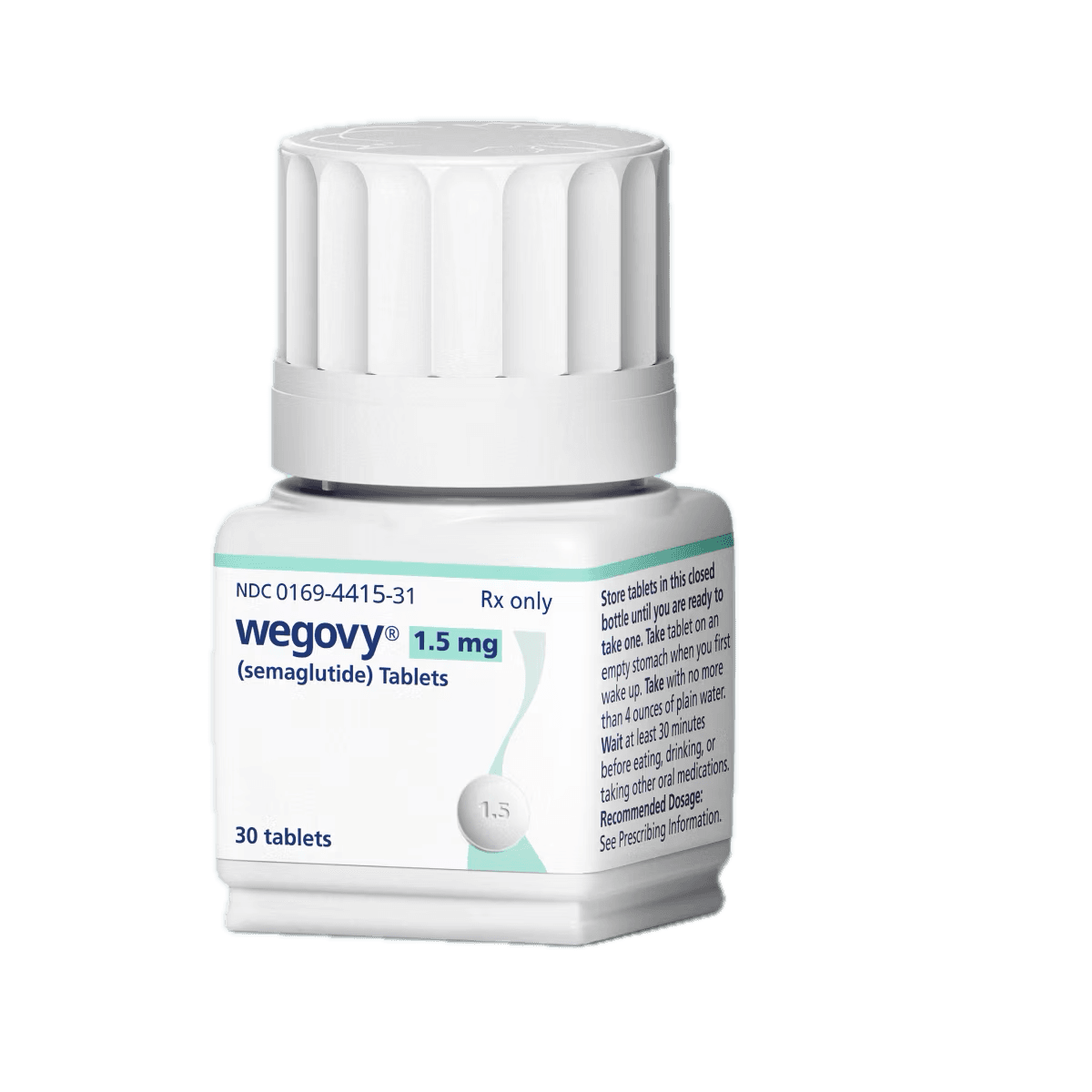
| Wegovy tablet | FDA-approved oral semaglutide tablet for chronic weight management | Creates a daily oral workflow instead of weekly injection-only support |
| Wegovy HD | FDA-approved 7.2 mg semaglutide injection as of March 19, 2026 | Adds a higher-dose pathway that needs careful patient selection and education |
| Foundayo / orforglipron | FDA-approved oral GLP-1 as of April 1, 2026 and available in the U.S. as of April 9, 2026 | Gives patients another oral option with a different adherence and access story |
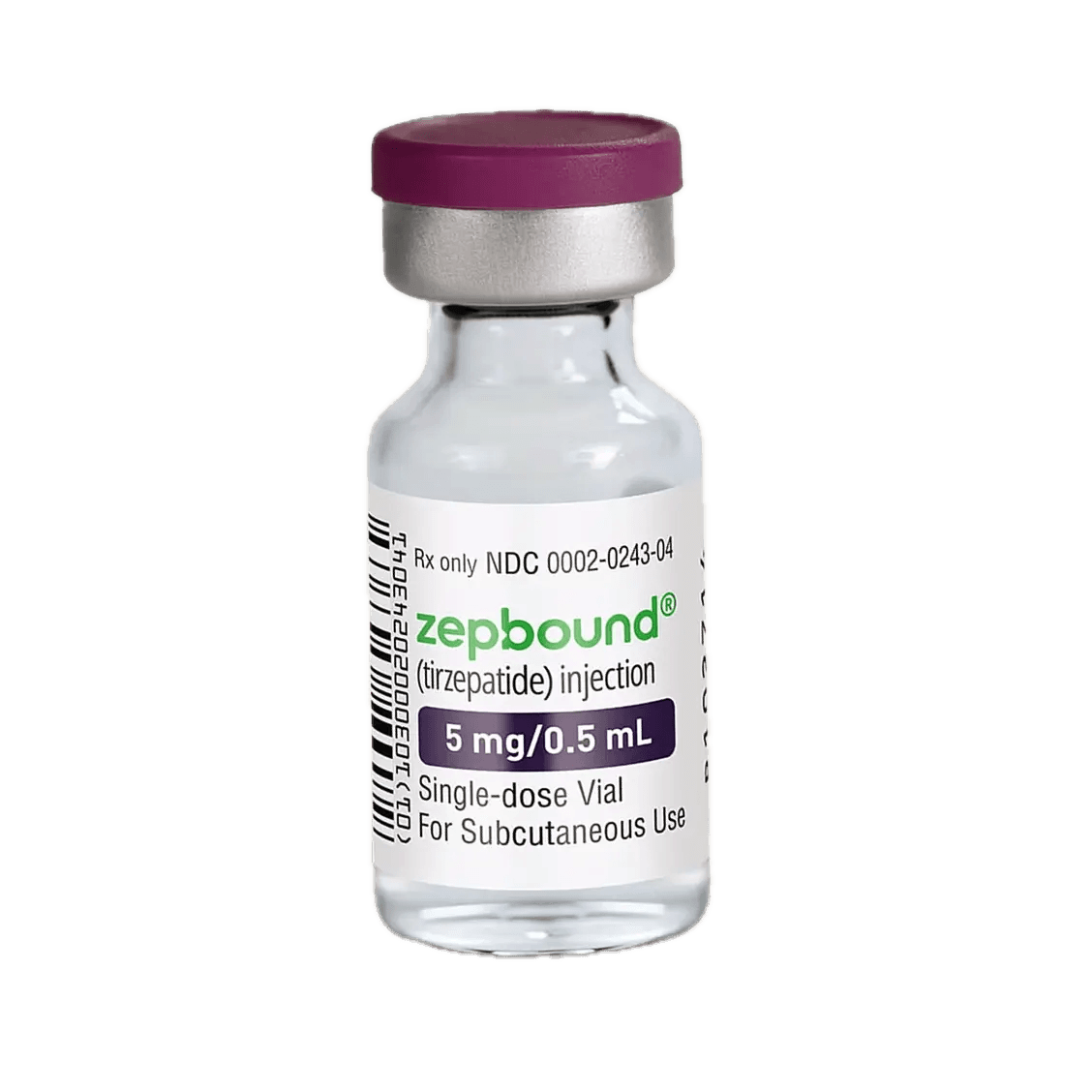
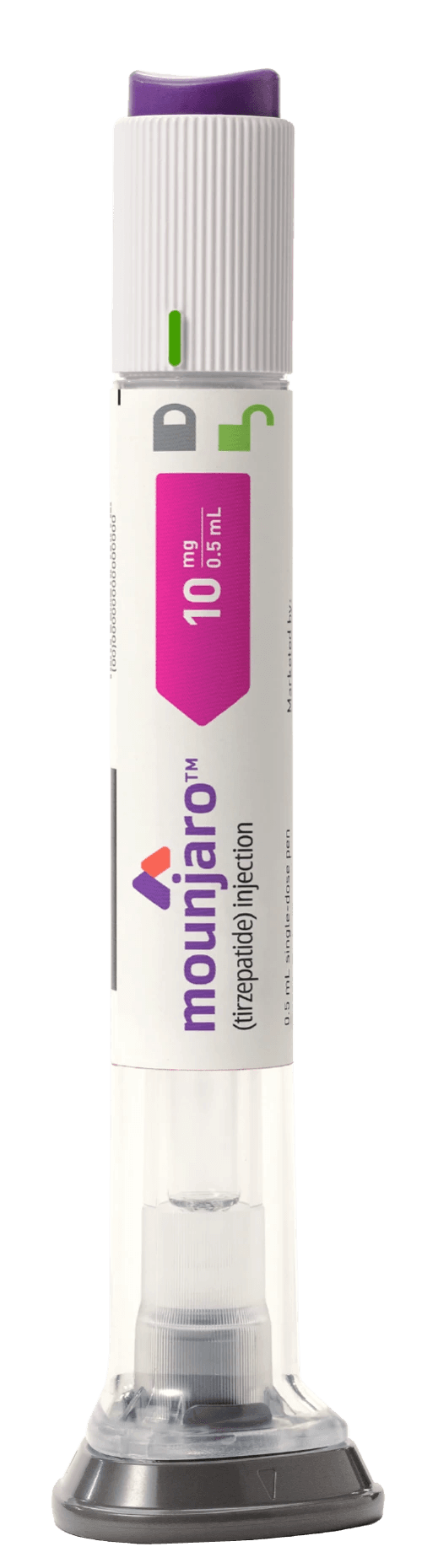
| Zepbound | Existing approved tirzepatide pathway with expanding access and self-pay relevance | Remains a core comparison point for patient expectations and pricing questions |
| CagriSema | FDA submission filed in December 2025; decision expected later in 2026 | Could create a combination-injection pathway, but is not a launchable offer yet |
| Retatrutide | Investigational Phase 3 triple agonist; not FDA-approved | High patient curiosity, but should stay in education and support readiness |
| Survodutide | Investigational glucagon/GLP-1 dual agonist with 2026 Phase 3 data; not FDA-approved | Signals a broader metabolic-health future, not current DTC availability |
That table should influence more than content strategy.
It should shape how your platform handles intake, product education, provider review, payment, pharmacy status, refills, and support scripts.
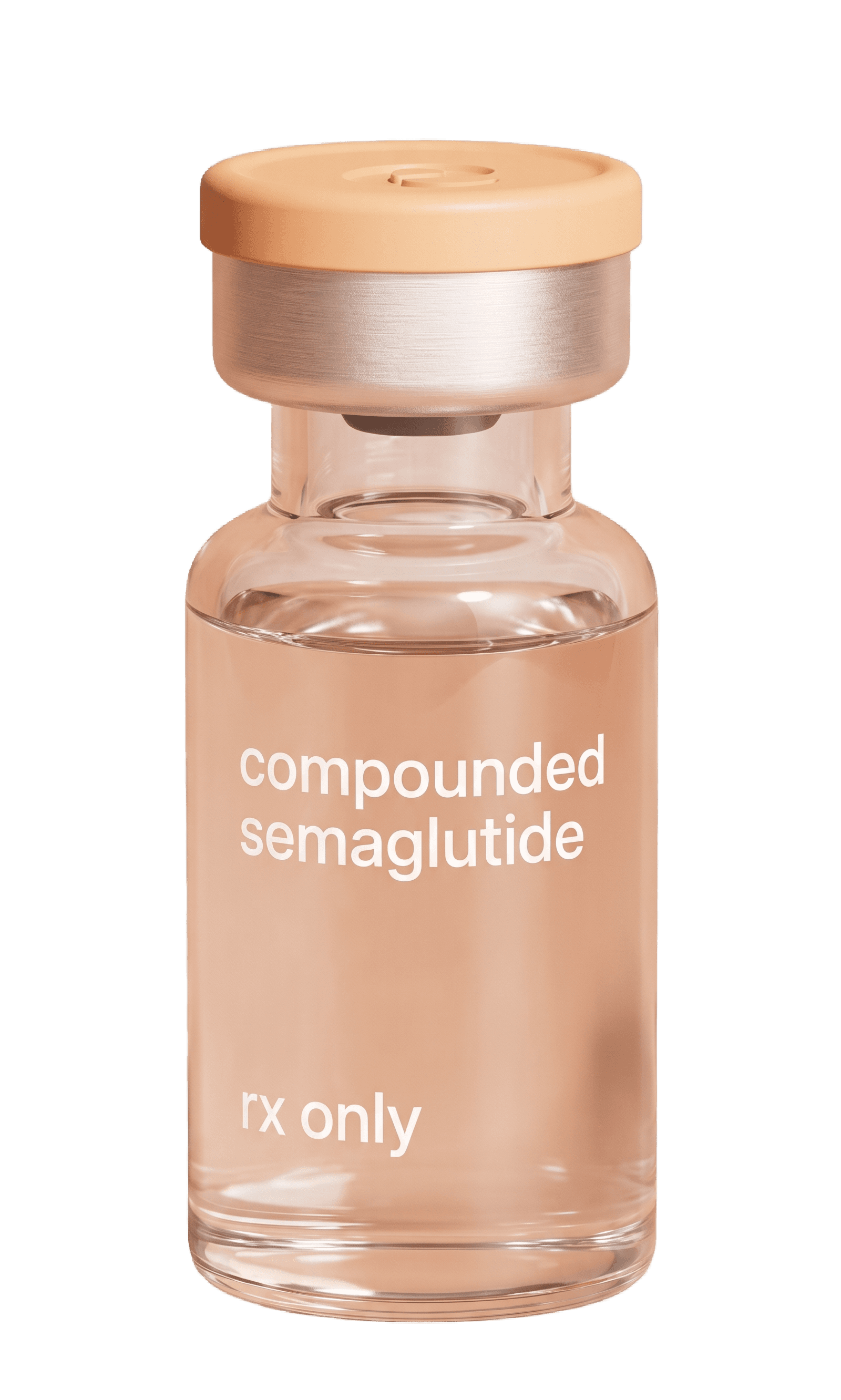
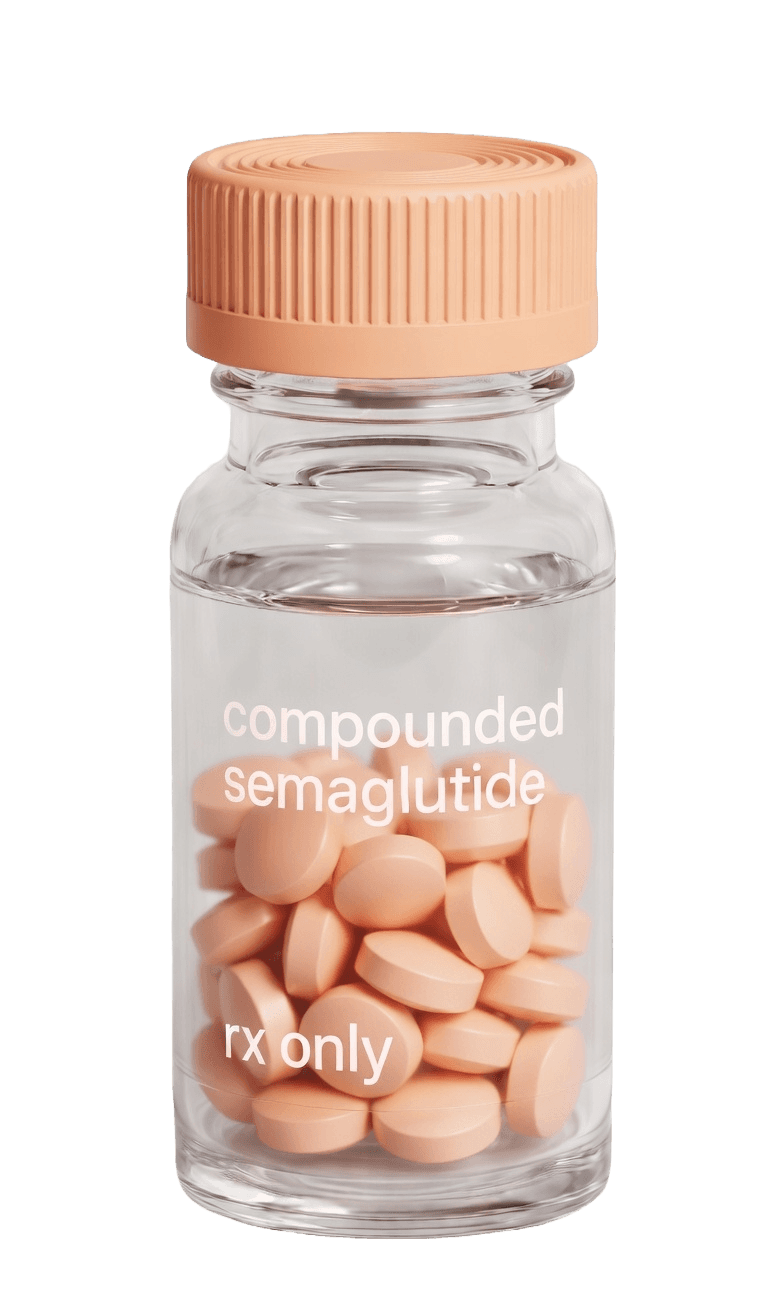
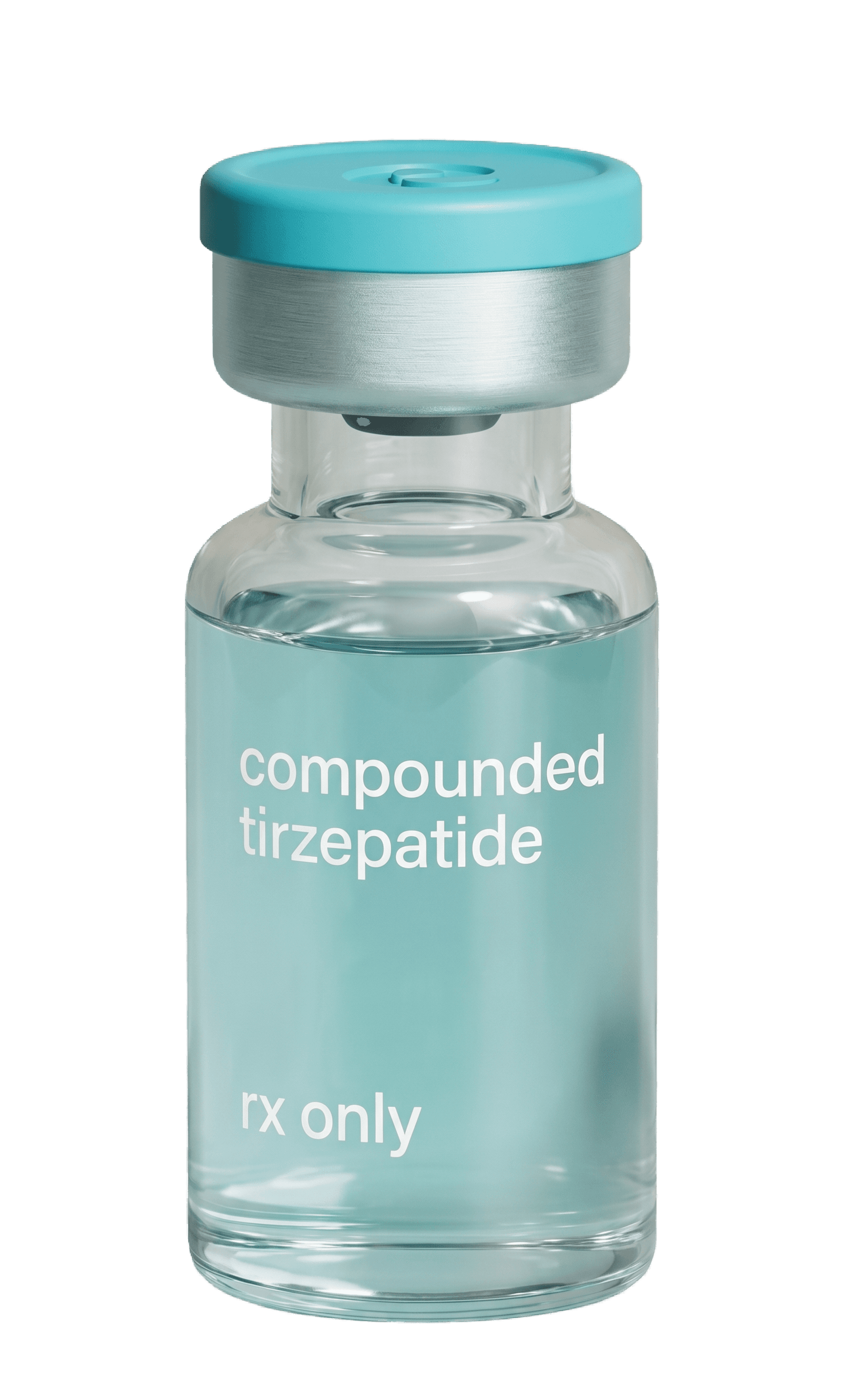
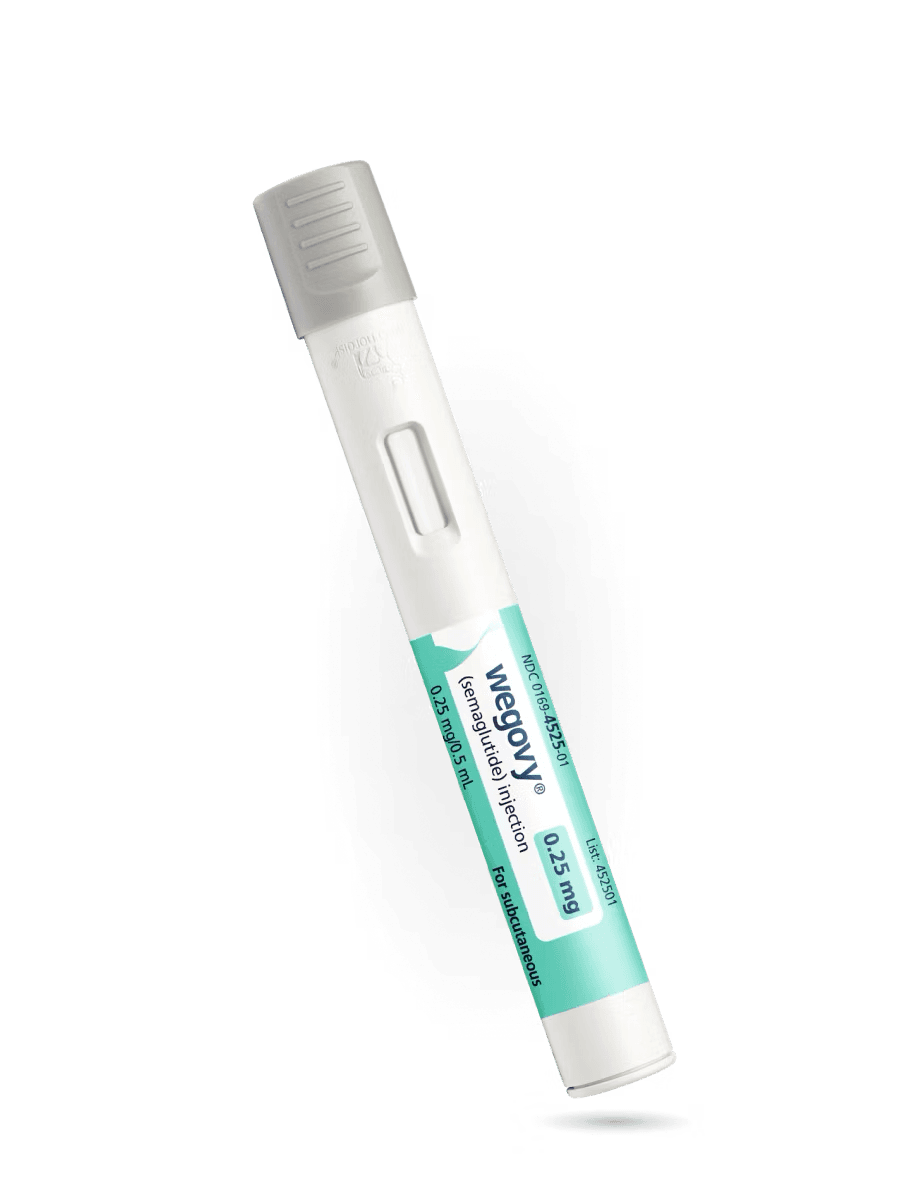
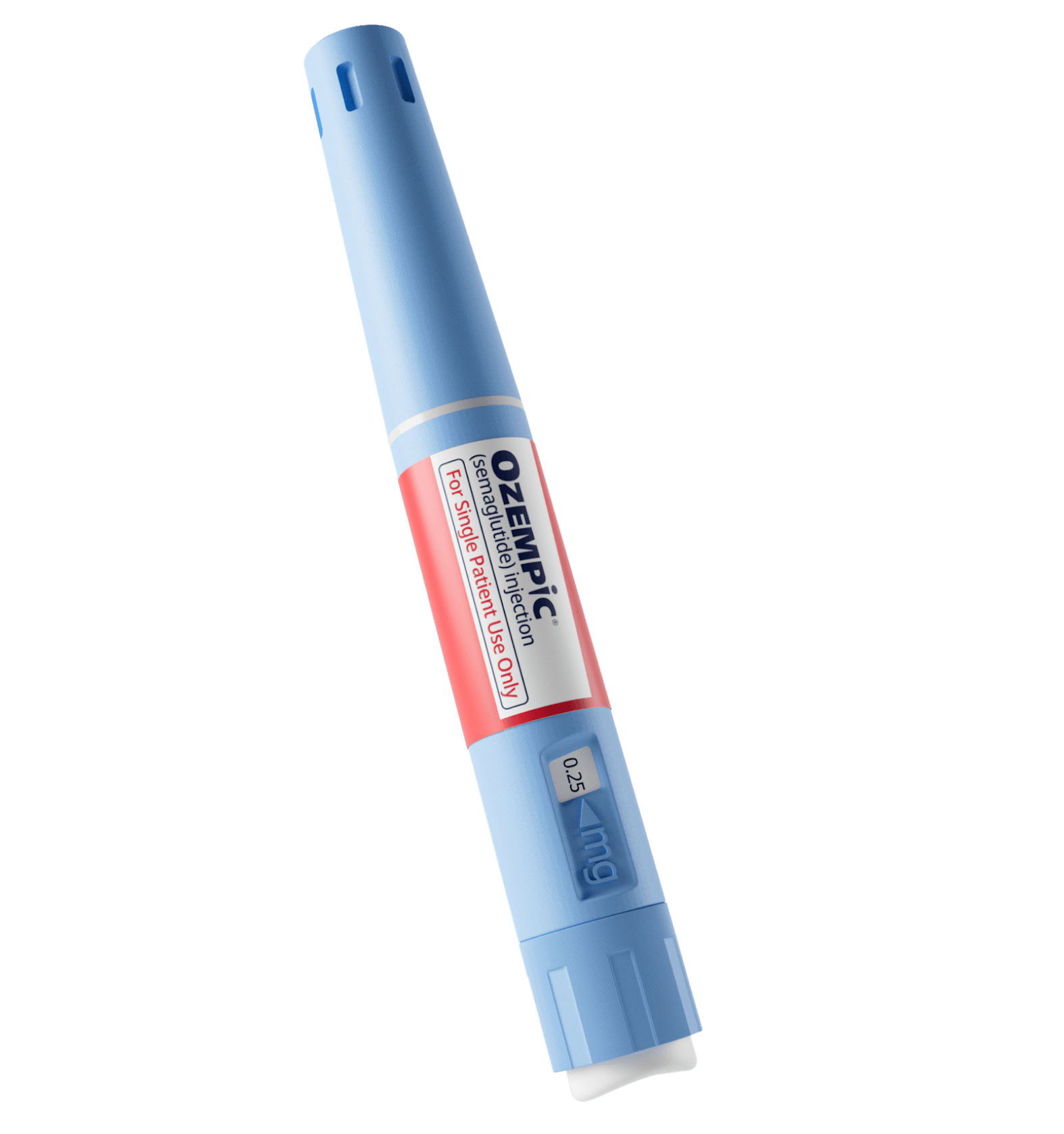
Example GLP-1 Treatments We Can Launch
What is actually new in 2026
Several changes are easy to blur together.
They should be separated.
1. Oral GLP-1s are now commercial, not just pipeline
The biggest change is that oral GLP-1 options are now part of the weight-management conversation.
FDA materials show Wegovy tablets as an oral semaglutide option for weight management, and the Wegovy tablet label includes oral dosing instructions. Lilly's Foundayo, orforglipron, was approved by FDA on April 1, 2026 and Lilly announced U.S. availability on April 9, 2026.
Foundayo is especially important operationally because Lilly describes it as a once-daily pill that can be taken without food or water restrictions. That is a different patient education flow from oral semaglutide products that require more specific administration timing.
For telehealth teams, this means "oral GLP-1" cannot be one generic label.
Different oral products can have different:
- timing instructions
- adherence risks
- refill cadence
- pricing paths
- insurance and self-pay expectations
- pharmacy distribution models
- patient support needs
Related reading: Oral GLP-1s in 2026: What Foundayo and Wegovy Pill Mean for Telehealth.
2. Higher-dose semaglutide adds a new patient-selection layer
On March 19, 2026, FDA approved Wegovy HD, a 7.2 mg semaglutide injection for weight loss and long-term maintenance of weight loss in certain adult patients.
This is not just another SKU.
Higher-dose pathways change the operational conversation around:
- who may be appropriate for escalation
- how prior therapy is documented
- how side-effect history is reviewed
- how patient expectations are set
- how provider review distinguishes standard start, continuation, switch, and escalation
- how support handles dose questions without giving clinical advice
Telehealth teams should avoid presenting higher-dose options as "stronger is better."
The workflow should make clear that medication selection and dose decisions belong to licensed provider review.
3. Pipeline products are getting more attention before approval
CagriSema, retatrutide, and survodutide are attracting patient and investor attention.
That does not mean they belong in checkout.
CagriSema is a combination of semaglutide and the amylin analogue cagrilintide. Novo Nordisk has disclosed a U.S. filing and an expected 2026 regulatory milestone, but the product should be treated as a potential future pathway until approval, label, pricing, access, and distribution are real.
Retatrutide is an investigational triple hormone receptor agonist targeting GIP, GLP-1, and glucagon receptors. Lilly has reported Phase 3 results, including obesity and type 2 diabetes data, but it is not FDA-approved as of this post date.
Survodutide is an investigational glucagon/GLP-1 dual agonist. Boehringer Ingelheim announced positive Phase 3 obesity data in April 2026, but it is also not a commercial DTC telehealth product today.
The marketing lesson is simple:
education is fine.
availability claims are not.
Related reading: Next-Generation GLP-1s in 2026: How Telehealth Teams Should Prepare for CagriSema, Retatrutide, and New Oral Options.
The compounding environment is moving in the opposite direction
While product choice is expanding on the approved side, FDA scrutiny is increasing around compounded GLP-1s.
On April 1, 2026, FDA clarified its policies for compounders as GLP-1 supply stabilizes. FDA reminded compounders that compounded drugs must meet the conditions of section 503A or 503B of the FD&C Act, and that products can be considered essentially copies of commercially available drugs under certain conditions.
Then on April 30, 2026, FDA proposed excluding semaglutide, tirzepatide, and liraglutide from the 503B bulks list, saying it did not identify a clinical need for outsourcing facilities to compound those drugs from bulk drug substances.
For DTC telehealth teams, this changes the risk profile.
The 2024 and 2025 playbook of "use compounded GLP-1s as the broad workaround" is not a stable product strategy in 2026.
Teams need to be precise about:
- whether a product is FDA-approved
- whether a product is compounded
- whether the compounder is 503A or 503B
- whether the medication is on the shortage list at the relevant time
- whether the copy rules are implicated
- whether marketing language implies equivalence to approved products
- whether patients understand what they are receiving
Helpful FDA references include FDA's April 1 compounded GLP-1 policy clarification and FDA's April 30 503B bulks-list proposal.
Product choice should change intake
New products make intake more important, not less.
The intake should help providers understand:
- whether the patient is starting, continuing, switching, or restarting therapy
- whether the patient prefers oral or injectable options
- whether the patient has used semaglutide, tirzepatide, liraglutide, or another related therapy before
- what side effects or tolerability issues the patient has experienced
- whether the patient has obesity alone or weight-related comorbidities
- whether the patient is using insurance, self-pay, or hybrid payment paths
- whether the patient has a pharmacy preference
- whether labs, vitals, or other monitoring are needed
- whether the patient is asking about investigational or non-approved products
The goal is not to let the patient self-select a medication from a menu.
The goal is to collect enough structured information for responsible routing and provider review.
Product choice should change patient education
The patient-facing education layer needs to get more specific.
A single "GLP-1 medication guide" is no longer enough for every pathway.
Patients may need separate education for:
- weekly injection workflows
- daily oral workflows
- administration timing
- storage and handling
- dose escalation
- missed doses
- switching from another therapy
- cost and coverage differences
- pharmacy pickup versus home delivery
- refill timing
- side effects and when to contact the care team
- pipeline products that are not available yet
Patient education should also avoid ranking products in a way that sounds like consumer electronics.
There is no universal "best GLP-1."
There is a best-fit care path based on eligibility, clinical context, access, affordability, tolerability, and provider judgment.
Product choice should change billing and access UX
New GLP-1 products also change the checkout and billing layer.
Before payment, patients should understand:
- whether provider review is required
- whether medication is included
- whether the medication is branded, compounded, or pharmacy-filled
- whether insurance, self-pay, or manufacturer access may apply
- whether the monthly price changes by dose or product
- whether the first payment is refundable if treatment is not approved
- whether shipping or pharmacy pickup is included
- whether refills are automatic or require review
- how price changes are communicated
This is where many GLP-1 programs create avoidable churn.
Patients are comparing price, product, access, and support at the same time.
If those pieces are split across the landing page, checkout, provider message, and pharmacy email, trust gets thin fast.
Related reading: GLP-1 Access in 2026: How Self-Pay, Direct Channels, and Telehealth Distribution Are Reshaping the Market.
Product choice should change support scripts
Support teams will hear the product map before leadership dashboards do.
Patients will ask:
- Is the pill the same as the shot?
- Is Foundayo better than Wegovy?
- Can I switch from Zepbound?
- Is Wegovy HD for faster results?
- Can I get retatrutide?
- When will CagriSema be available?
- Is compounded semaglutide still legal?
- Why is one product cheaper than another?
- Can I choose the medication myself?
Those questions need approved answers.
Support should know which questions are administrative, which are educational, and which require provider review.
The rule of thumb:
support can explain workflow, status, billing, and next steps.
Providers own clinical appropriateness, medication selection, dose changes, and safety concerns.
Related reading: GLP-1 Microdosing in Telehealth: What Clinics Should Know Before Patients Ask.
A practical 2026 GLP-1 product strategy
For a DTC telehealth team, the best product strategy is usually staged.
Stage 1: Clean up the current approved pathways
Make sure standard injectable and supported oral options are clearly represented in intake, education, billing, pharmacy, refill, and support workflows.
Stage 2: Add product-aware routing
Do not ask patients only whether they want GLP-1 treatment.
Capture whether they are new, switching, restarting, injection-averse, cost-sensitive, coverage-dependent, or looking for maintenance.
Stage 3: Separate pipeline education from commercial offers
Write about CagriSema, retatrutide, survodutide, and other pipeline names only as watchlist items unless and until approval and access are real.
Stage 4: Rebuild compounded-product governance
If compounded GLP-1s are still part of the model, review the workflow against FDA's 2026 policy posture, marketing language, pharmacy sourcing, and patient-facing disclosures.
Stage 5: Measure product complexity
Track whether new product options improve conversion and retention or simply increase confusion.
Useful metrics include:
- intake completion by product interest
- provider review time by pathway
- support tickets by product name
- oral versus injectable adherence questions
- switch requests
- refill delays by product path
- pharmacy exceptions
- refund reasons tied to access or price confusion
- month-two retention by product path
Final takeaways
New GLP-1 products in 2026 are not just adding more names to the category.
They are changing the operating model.
The teams that handle this well will:
- separate approved products from investigational products
- explain oral, injectable, and higher-dose pathways clearly
- keep medication decisions inside provider review
- update intake around product-aware routing
- make billing and access visible before checkout
- give support teams clear scripts for pipeline and compounding questions
- keep patient education specific to the actual pathway
- treat FDA compounding scrutiny as a product-strategy constraint, not a footnote
The category is becoming more powerful, more segmented, and more consumer-facing.
That creates opportunity for DTC telehealth.
It also raises the bar.
In 2026, the strongest GLP-1 programs will not be the ones with the longest medication list.
They will be the ones that make the right product path feel understandable, clinically grounded, and operationally reliable.