Cash-pay GLP-1 patients have more reference points now
In 2024 and 2025, many cash-pay GLP-1 patients compared telehealth brands against each other.
In 2026, the comparison set is wider.
Patients may now compare:
- manufacturer-direct access
- retail pharmacy pickup
- local pharmacy savings options
- DTC telehealth subscriptions
- pharmacy-led virtual care
- insurance coverage paths
- compounded medication programs
- oral versus injectable options as the market changes
That makes the funnel more complicated.
It also makes the best programs easier to identify.
The winning cash-pay GLP-1 funnel is not just the one with the lowest visible price. It is the one where price, provider review, medication path, pharmacy access, and support all make sense together.
Retail and manufacturer channels changed the patient's mental model
On March 16, 2026, Eli Lilly announced that Zepbound KwikPen self-pay pricing would be available through LillyDirect and major pharmacies nationwide, starting at $299 per month for the 2.5 mg dose.
Walgreens also launched Walgreens Weight Management, a virtual weight-management offering with $49 visits and no monthly subscription requirement for eligible adults who plan to self-pay for GLP-1 medication.
Walmart expanded its Better Care Services platform around GLP-1 support services, combining virtual care, pharmacy access, nutrition resources, and related support options.
These are not just channel announcements.
They change what patients expect from smaller DTC telehealth brands.
Patients now know that GLP-1 access can involve:
- local pickup
- home delivery
- pharmacy choice
- self-pay savings paths
- low-friction virtual visits
- support beyond the prescription
So a DTC funnel has to answer more questions before the patient pays.
Price is only one part of the comparison
Patients care about price.
But they are not only comparing sticker price.
They are comparing the total path:
| Patient question | Funnel risk if unclear |
|---|---|
| What am I paying today? | Checkout drop-off or refunds |
| Is medication included? | Support tickets and chargebacks |
| Is this FDA-approved or compounded? | Trust and compliance risk |
| Where will the prescription go? | Post-approval confusion |
| Can I use a local pharmacy? | Lost patients who prefer pickup |
| What happens if I am not approved? | Payment anxiety |
| How do refills work? | Month-two churn |
| Who helps with side effects or dosing questions? | Support escalation and cancellation |
The funnel has to make those answers visible without turning the page into a wall of disclaimers.
That is the product challenge.
The medication layer is now a portfolio conversation
Public examples in our directory today include:
Example GLP-1 Treatments We Can Launch
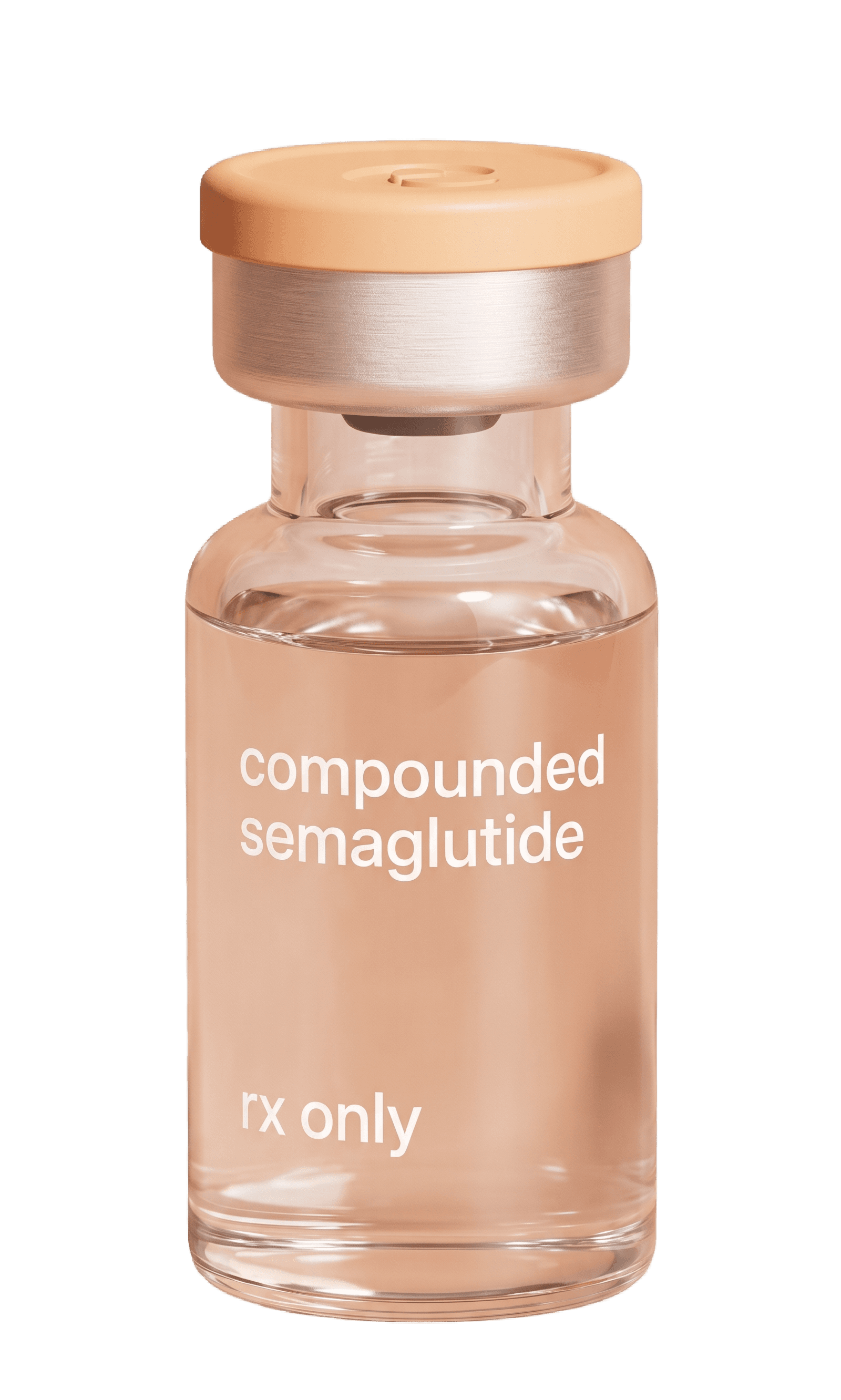
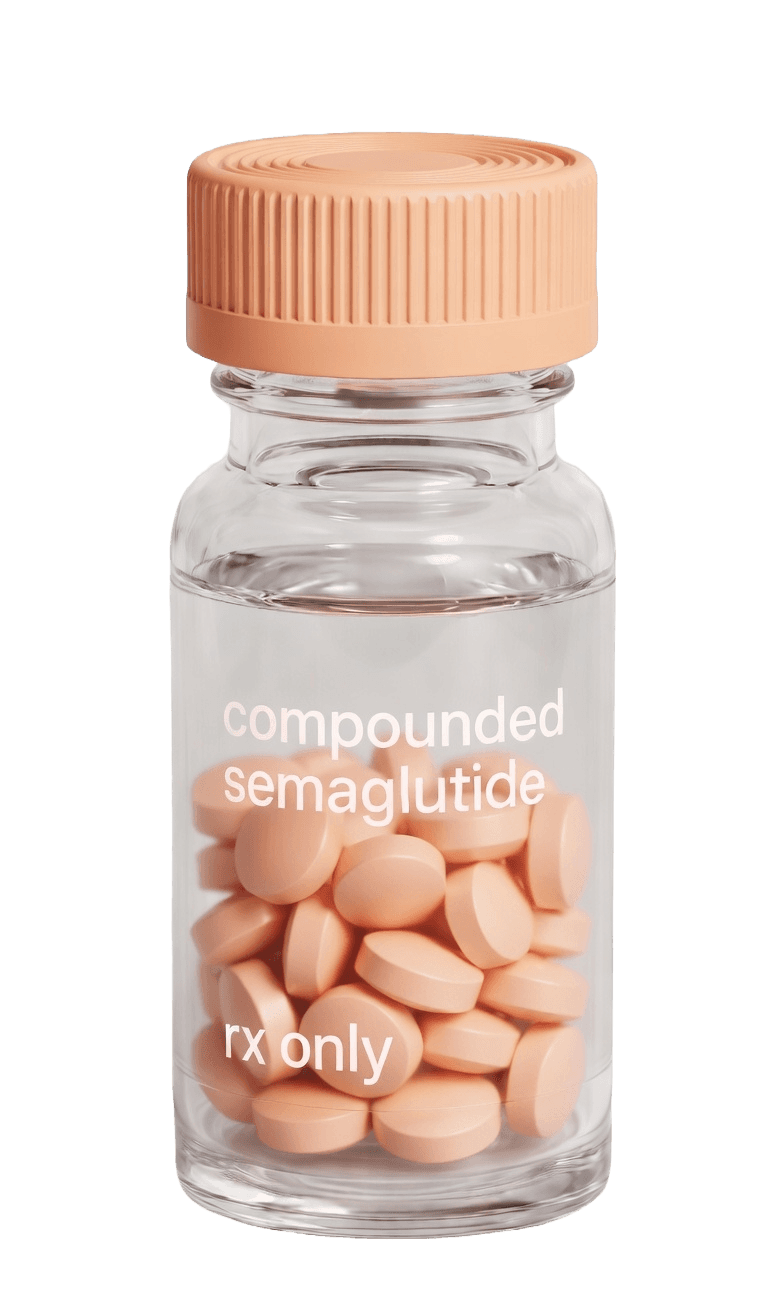
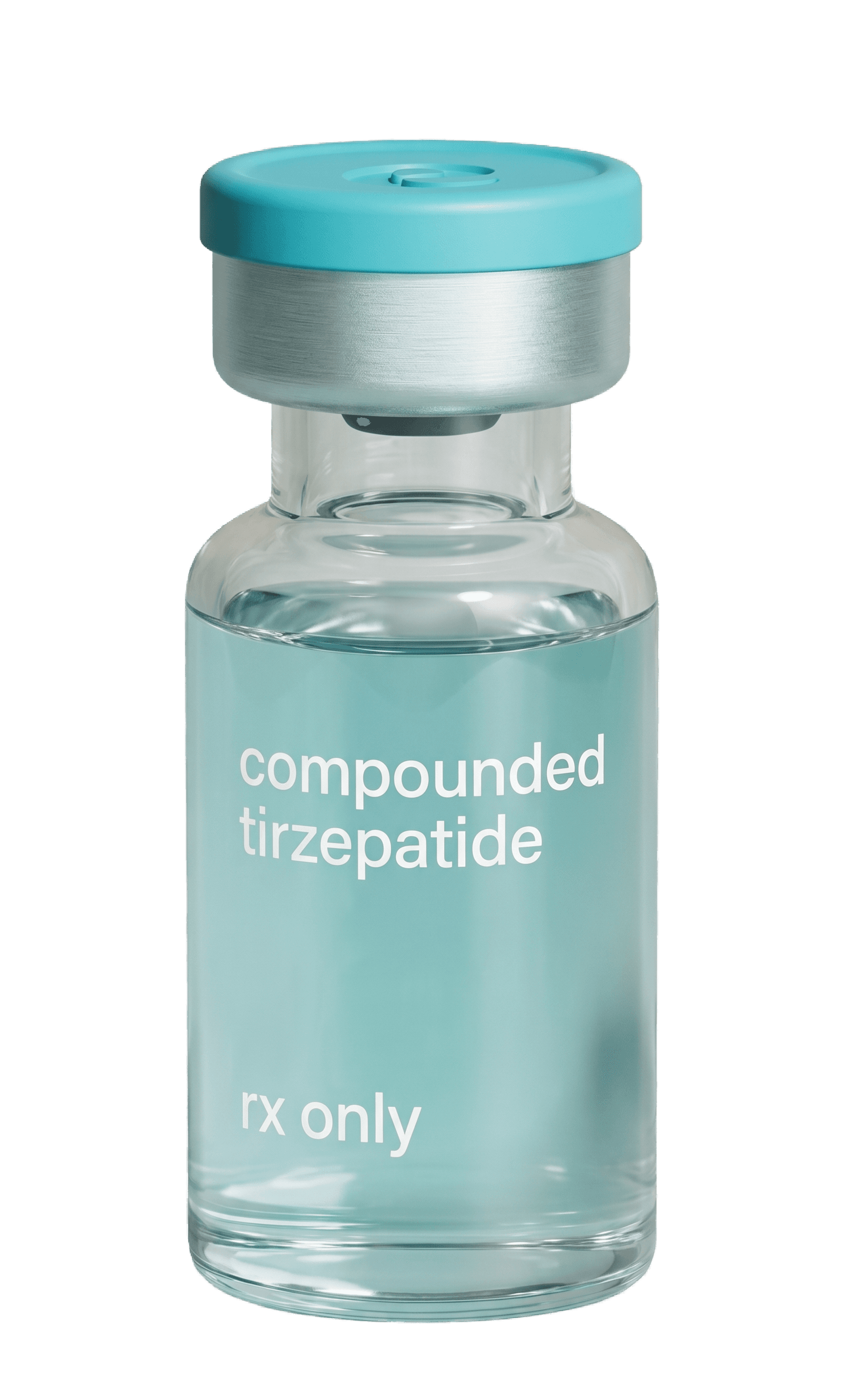
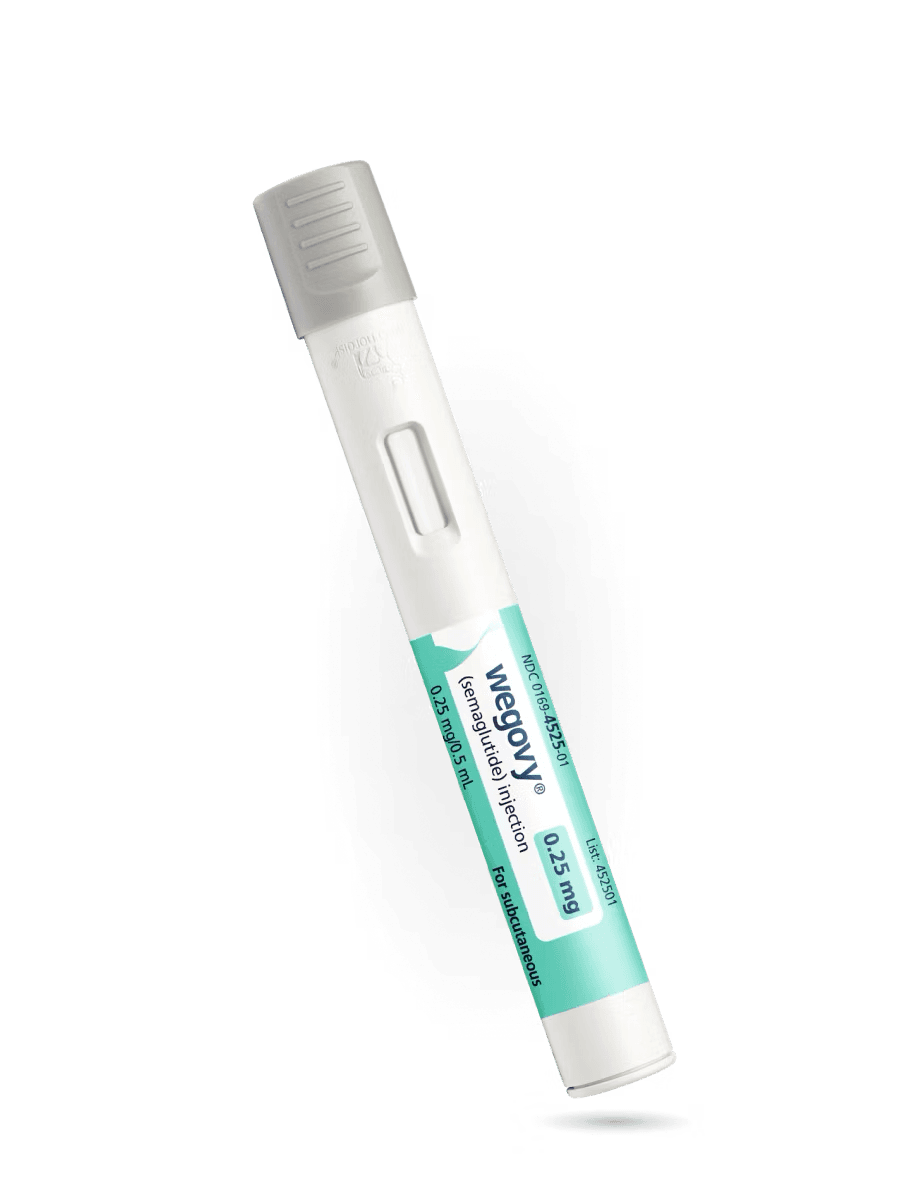
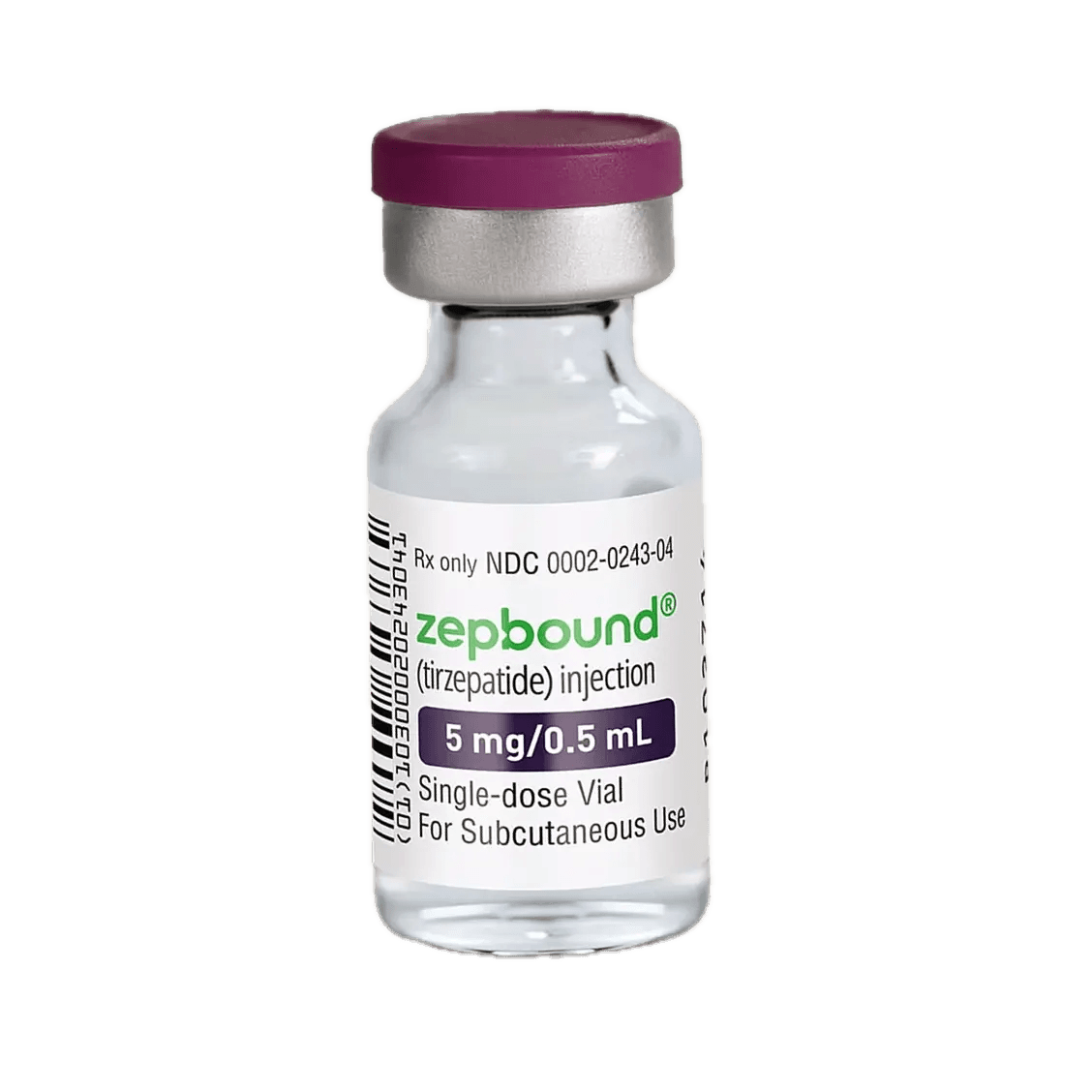
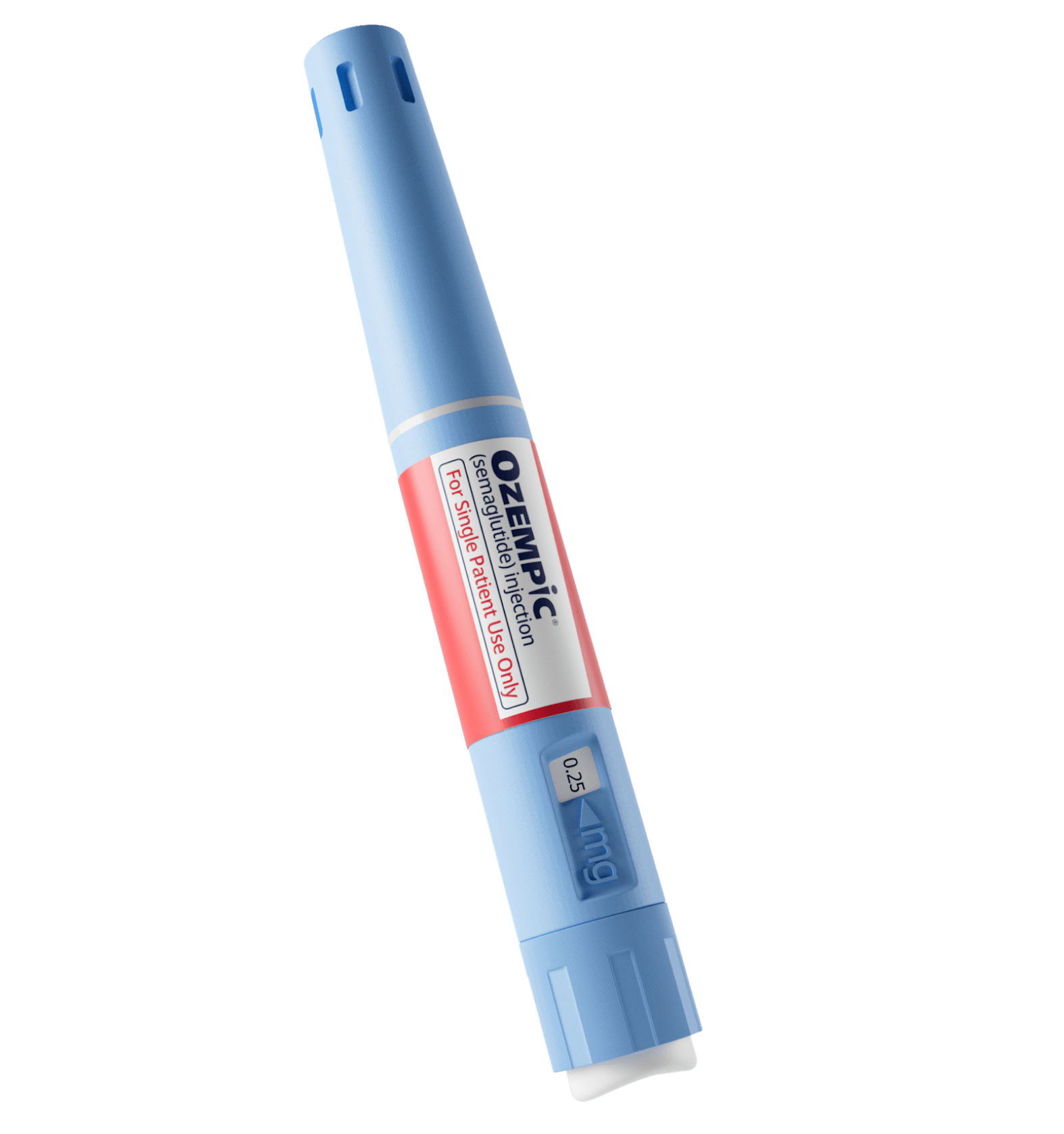
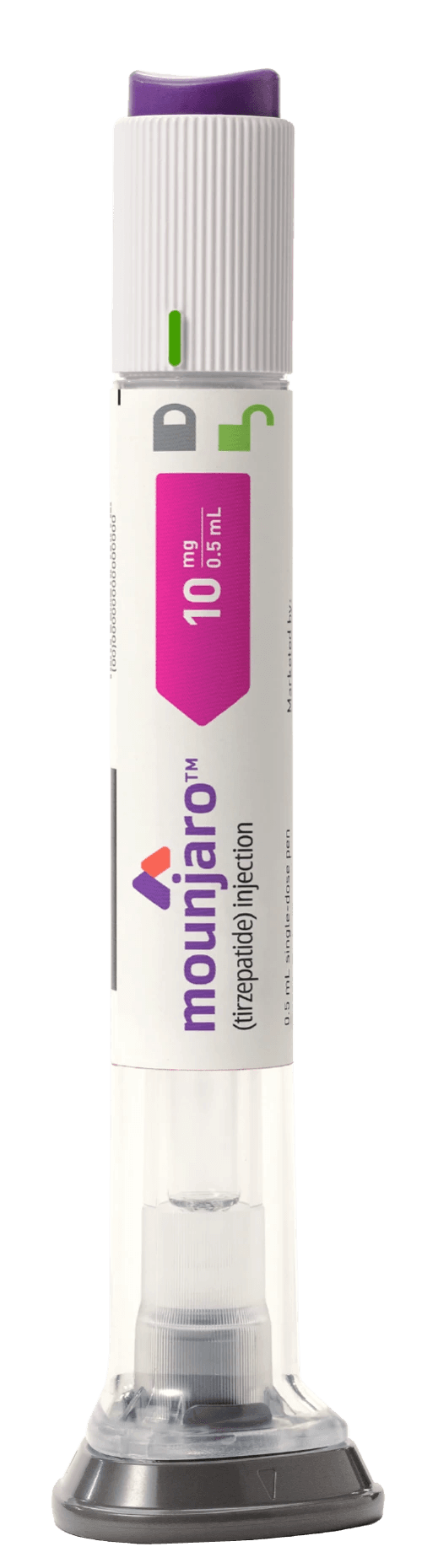
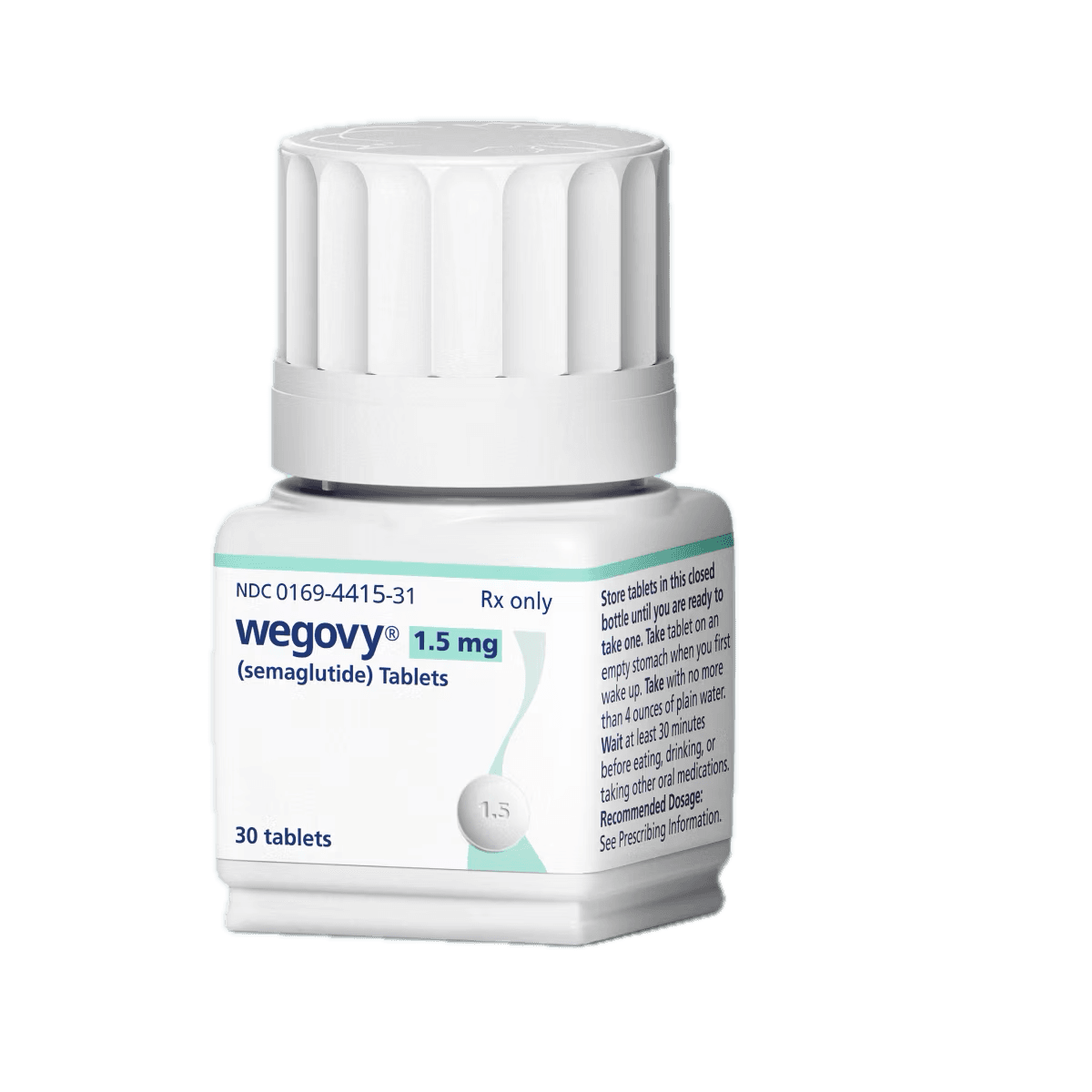
Those examples matter because patients increasingly understand GLP-1 care as a set of options, not one generic "weight-loss shot."
They may ask:
- Is this semaglutide or tirzepatide?
- Is it oral or injectable?
- Is it compounded or FDA-approved?
- Is it shipped or picked up?
- Does the price change with dose?
- What happens if supply or access changes?
Not every program will support every option.
But every program should explain its path clearly.
Related reading: GLP-1 Product Trends in 2026: What Telehealth Teams Should Watch.
Intake should route by access reality, not only clinical fit
Clinical eligibility is still the center of the workflow.
But cash-pay GLP-1 intake also needs to understand access reality.
Useful routing questions may include:
- state
- prior GLP-1 use
- current medication and dose where relevant
- insurance coverage or cash-pay preference
- pharmacy pickup versus delivery preference
- ability to complete follow-up
- interest in nutrition or coaching support
- budget expectations
- whether the patient is starting or continuing therapy
The goal is not to screen people into the most profitable path.
The goal is to avoid promising a path the operation cannot support.
If the patient wants local pickup and the program only supports delivery, say that early.
If the patient expects medication included in a consult fee, clarify before payment.
Checkout has to separate consult, medication, and membership
The most dangerous cash-pay funnel mistake is blurring what the charge covers.
Patients need to know whether they are paying for:
- provider consultation
- platform membership
- medication
- shipping
- lab work
- refill management
- nutrition or coaching support
- ongoing access to the care team
This matters even more when the market includes low-cost virtual visits, manufacturer savings programs, and pharmacy pickup options.
A patient who sees a $49 pharmacy-led visit, a $299 manufacturer-direct starting price, and a $249 or $499 monthly program elsewhere will compare those numbers.
If your program costs more, the funnel needs to explain what the additional value is.
If your program costs less, it still needs to explain what is not included.
Related reading: Billing UX for Telehealth: What Patients Need to See Before the First Renewal.
Pharmacy status is part of conversion now
Patients do not only ask about pharmacy after approval.
They increasingly ask before they start:
- "Can I pick this up locally?"
- "Do you ship?"
- "Which pharmacy fills it?"
- "How long will it take?"
- "Will I know when it is ready?"
- "What if the pharmacy does not have it?"
This means pharmacy visibility belongs in the pre-payment story, not only the support team's backend.
The funnel should make the access model clear:
- delivery only
- local pickup available
- pharmacy choice
- partner pharmacy
- manufacturer-direct pharmacy
- program-specific routing
Then the portal should show what actually happened after approval.
If the marketing promise says "easy access" and the portal shows only "processing" for four days, the brand has created a trust gap.
Support is a differentiator against retail channels
Retail and manufacturer channels can often compete on price, brand recognition, and pharmacy convenience.
Smaller DTC telehealth brands need to compete on the care journey.
That means support should be positioned around real patient needs:
- onboarding
- side-effect questions
- dose-stage education
- refill reminders
- nutrition support
- status visibility
- payment clarity
- provider follow-up when appropriate
This is where DTC brands can still win.
The patient is not only buying access to medication.
They are buying confidence that the path will not fall apart after payment.
Related reading: GLP-1 Nutrition Support: The Missing Layer Between Prescription, Refill, and Long-Term Retention.
What to change on the funnel
A stronger cash-pay GLP-1 funnel should usually include:
1. A price explanation before intake gets deep
Patients should understand the basic pricing model before they spend ten minutes answering health questions.
2. A clear medication-path explanation
Do not make the patient guess whether the program involves FDA-approved medication, compounded medication, pharmacy pickup, delivery, or multiple possible paths.
3. A provider-review explanation
The funnel should make clear that treatment is not guaranteed and requires provider review.
4. A pharmacy expectation section
Explain how prescription routing, pickup, shipping, or fulfillment works at a high level.
5. A refill and ongoing-care section
The patient should know what happens after the first month.
6. Support expectations
Tell patients where help lives after payment: portal, messaging, visits, phone, pharmacy, or partner support.
Metrics to watch
The new cash-pay funnel should be judged beyond top-line conversion.
Track:
- landing-page to intake-start rate
- intake-start to checkout rate
- checkout abandonment by pricing section
- refund requests in the first seven days
- support tickets before provider approval
- "medication included?" tickets
- "where is my prescription?" tickets
- approval-to-fill time
- first-refill completion rate
- month-two churn
- patients who switch access paths after starting
If conversion is high but early refunds and support tickets are also high, the funnel is selling faster than the operation can explain.
Final takeaways
Cash-pay GLP-1 is no longer a simple telehealth comparison page.
Patients are comparing price, medication path, pharmacy access, provider review, fulfillment, and support across more channels than before.
The strongest DTC telehealth teams will:
- explain what the first payment covers
- separate consult, medication, and membership clearly
- make pharmacy access visible before and after approval
- route intake by clinical fit and access reality
- position support as part of the value
- track confusion as seriously as conversion
In 2026, the cash-pay GLP-1 funnel has to create clarity before it creates urgency.