GLP-1 care is becoming a portfolio, not one funnel
For the last few years, many GLP-1 telehealth programs were built around a relatively simple market story:
patients wanted access to a medication category that was hard to get, expensive, and operationally confusing.
That is changing.
In 2026, the category is splitting into more distinct pathways:
- oral GLP-1 options
- established injectable GLP-1 pathways
- dual-agonist and combination products
- investigational triple-agonist products
- self-pay access channels
- insurance and prior authorization paths
- pharmacy pickup versus home delivery
- patients with obesity alone versus patients with weight-related comorbidities
That means telehealth teams should stop treating "GLP-1 program" as one generic workflow.
The next phase will reward teams that can route patients into the right care path, explain the difference between options clearly, and support the patient after the first prescription.
Approval status as of May 11, 2026
The first SEO trap in this category is treating every pipeline name as if it has the same commercial status.
It does not.
As of May 11, 2026, the practical operator view looks like this:
| Product or pathway | Current status | Why telehealth teams should care |
|---|---|---|
| Wegovy pill | FDA approved in December 2025 and launched in early January 2026 | Oral semaglutide creates a different adherence, education, and pharmacy-access path than weekly injections |
| Foundayo / orforglipron | FDA approved April 1, 2026 and available in the U.S. as of April 9, 2026 | A once-daily oral GLP-1 without food or water restrictions changes how patients compare oral options |
| CagriSema | Submitted to FDA in December 2025; decision anticipated by late 2026 | Could create a new combination-injection pathway if approved, but should not be treated as available yet |
| Retatrutide | Investigational Phase 3 triple agonist; not FDA approved | High market interest, but belongs in pipeline education and support-team readiness only |
| Survodutide | Investigational Phase 3 dual agonist; not FDA approved | Signals a broader metabolic-health positioning beyond weight loss alone |
That distinction is the core operating lesson.
Approved products can be handled in intake, education, access, billing, and refill workflows.
Investigational products should stay in watchlist content and internal readiness until approval, labeling, pricing, access, and pharmacy pathways are real.
Oral options change the front door
The biggest commercial shift already visible in 2026 is oral GLP-1 access.
Novo Nordisk announced on December 22, 2025 that the Wegovy pill was FDA approved as the first oral GLP-1 for weight management, with U.S. launch expected in early January 2026.
Then on April 1, 2026, the FDA approved Foundayo, orforglipron, for adults with obesity or overweight with at least one weight-related comorbid condition. Lilly announced on April 9, 2026 that Foundayo was available in the U.S., including through LillyDirect, telehealth providers, and retail pharmacies.
Oral options change patient expectations.
Some patients who are hesitant about injections may now be more willing to enter care. Others may assume that a pill is automatically simpler, cheaper, safer, or easier to stay on.
Telehealth teams need to be careful with that assumption.
Oral products still need:
- eligibility screening
- provider review
- medication-specific education
- adherence support
- refill reminders
- side-effect monitoring
- pricing clarity
- pharmacy or distribution visibility
A pill may make the first conversation easier.
It does not remove the need for a well-run program.
Related reading: Oral GLP-1s in 2026: What Foundayo and Wegovy Pill Mean for Telehealth.
Current approved paths still need clean infrastructure
Before a team plans for next-generation therapies, it should make sure the current GLP-1 workflow is sound.
Public examples in our directory today include:
Example GLP-1 Treatments We Can Launch
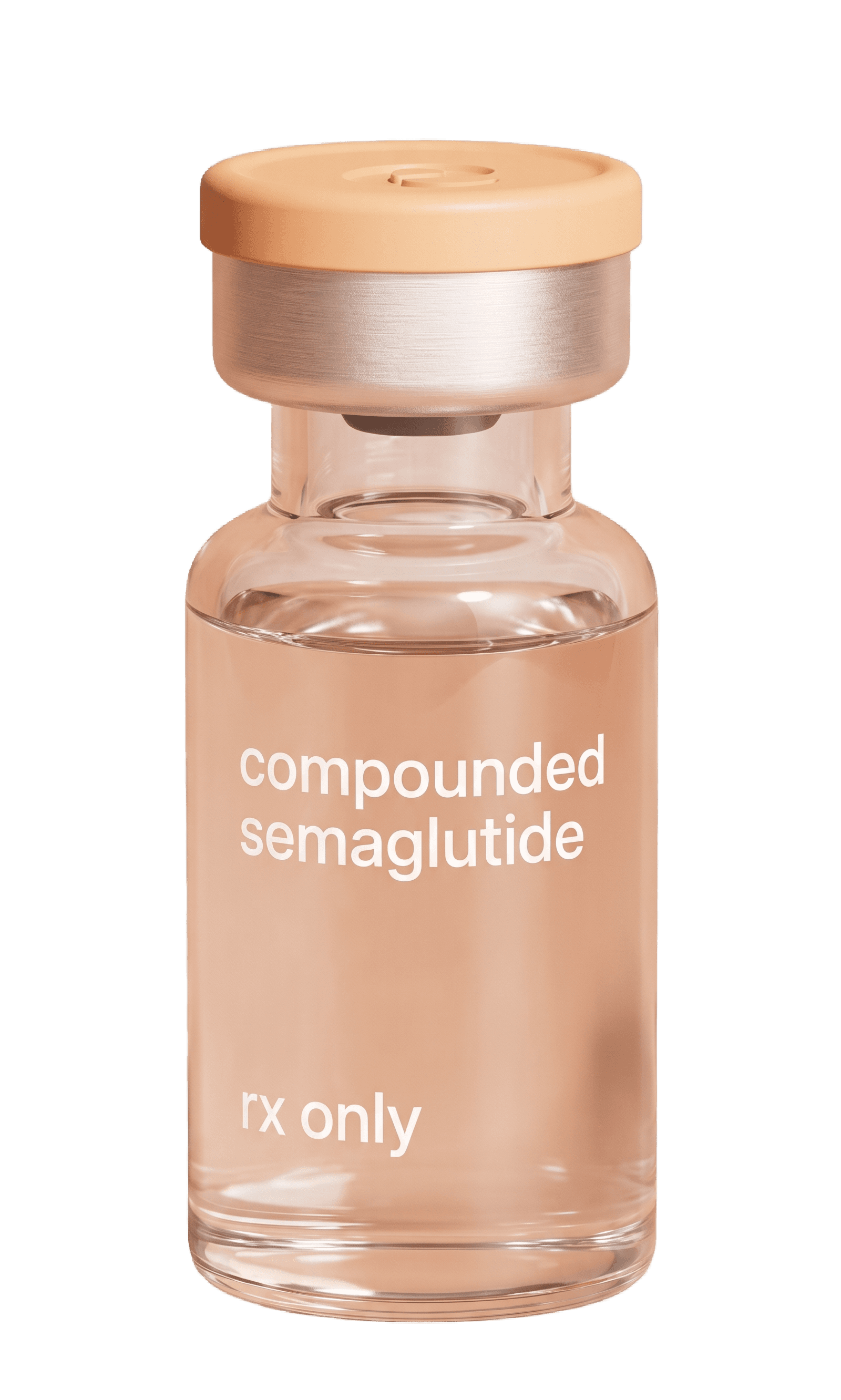
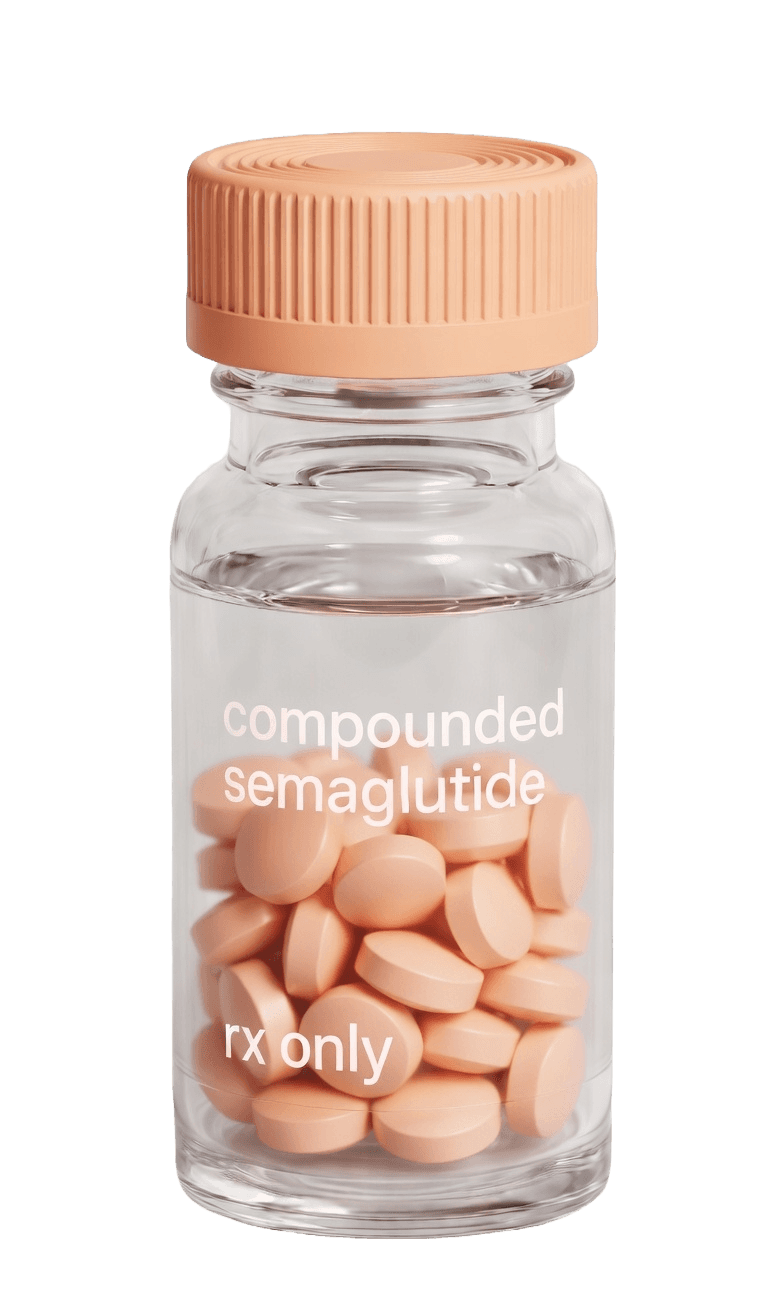
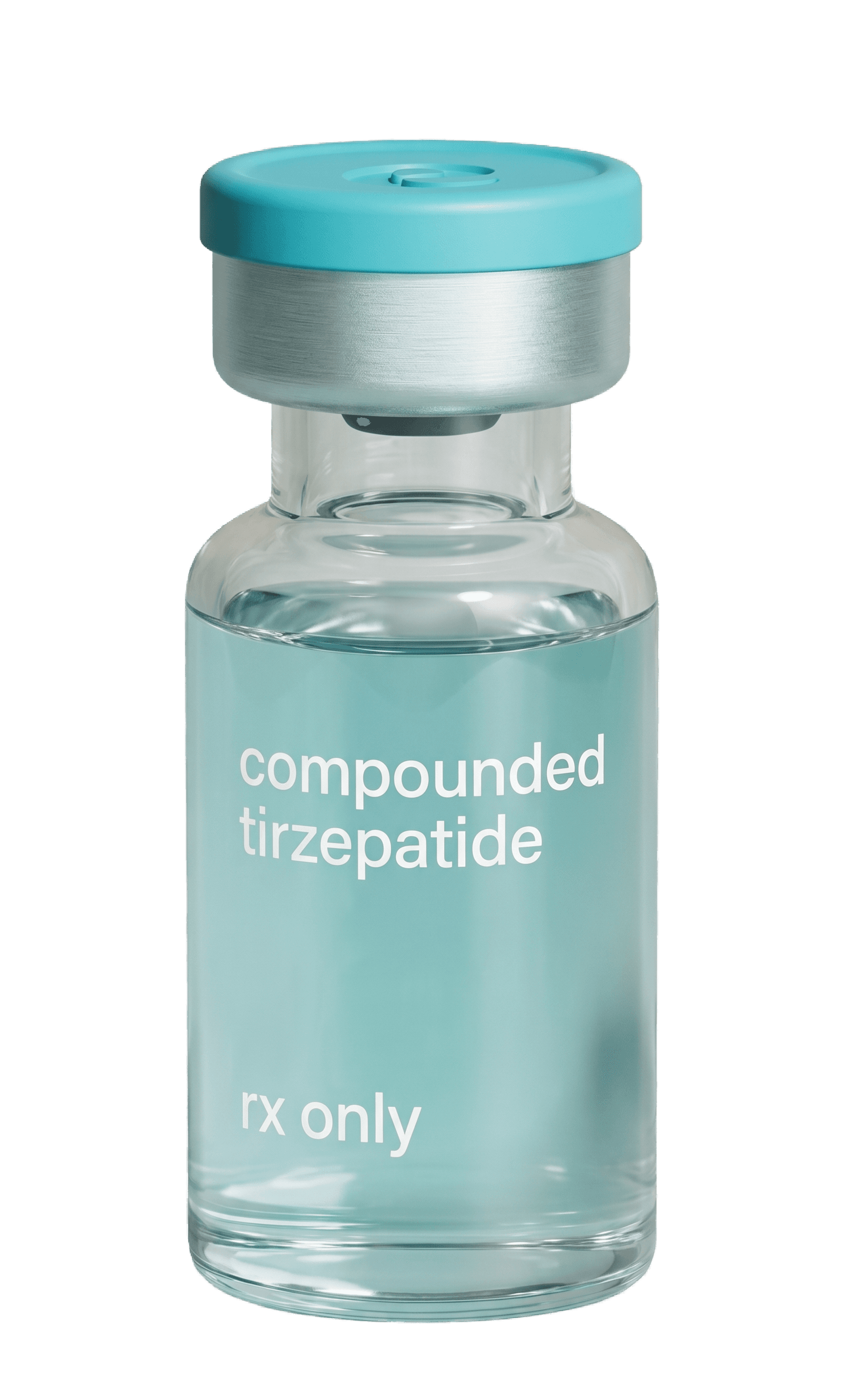
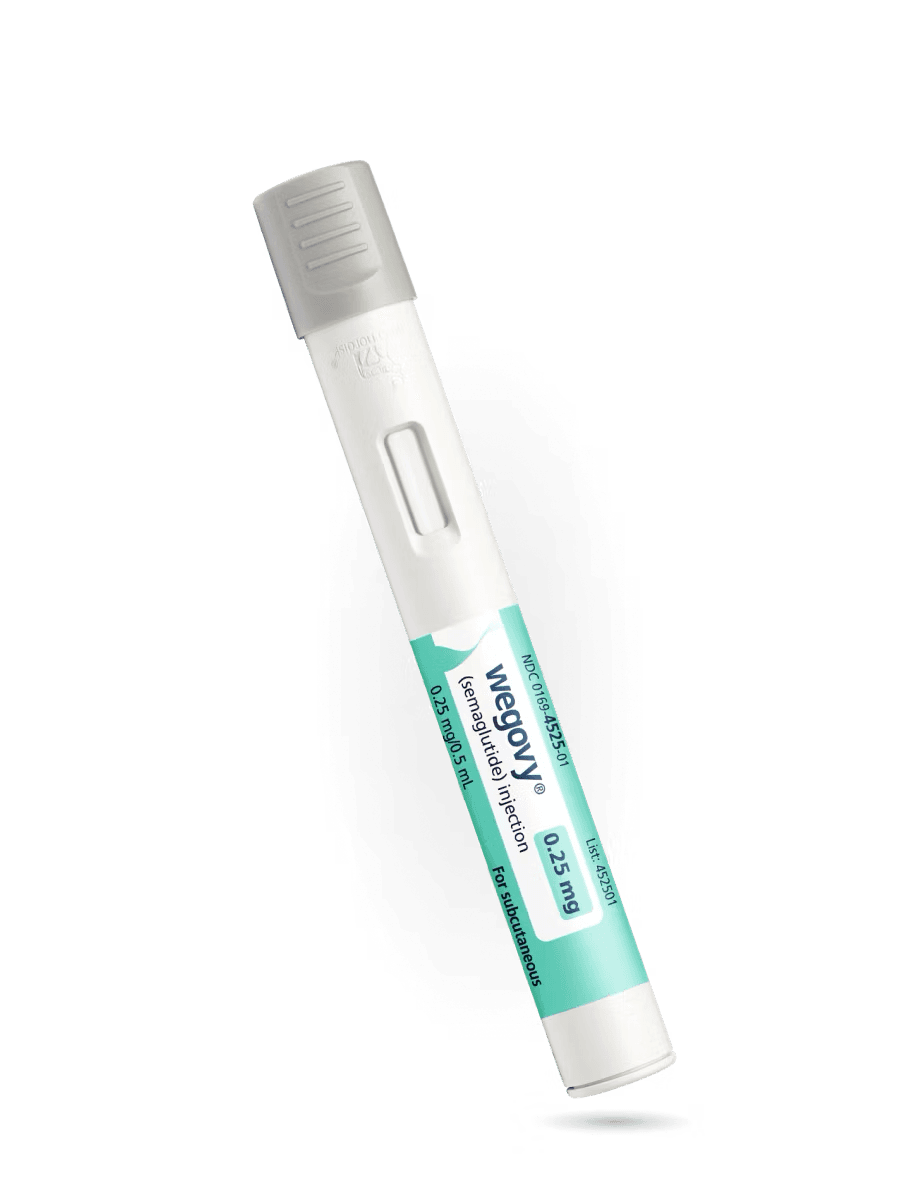
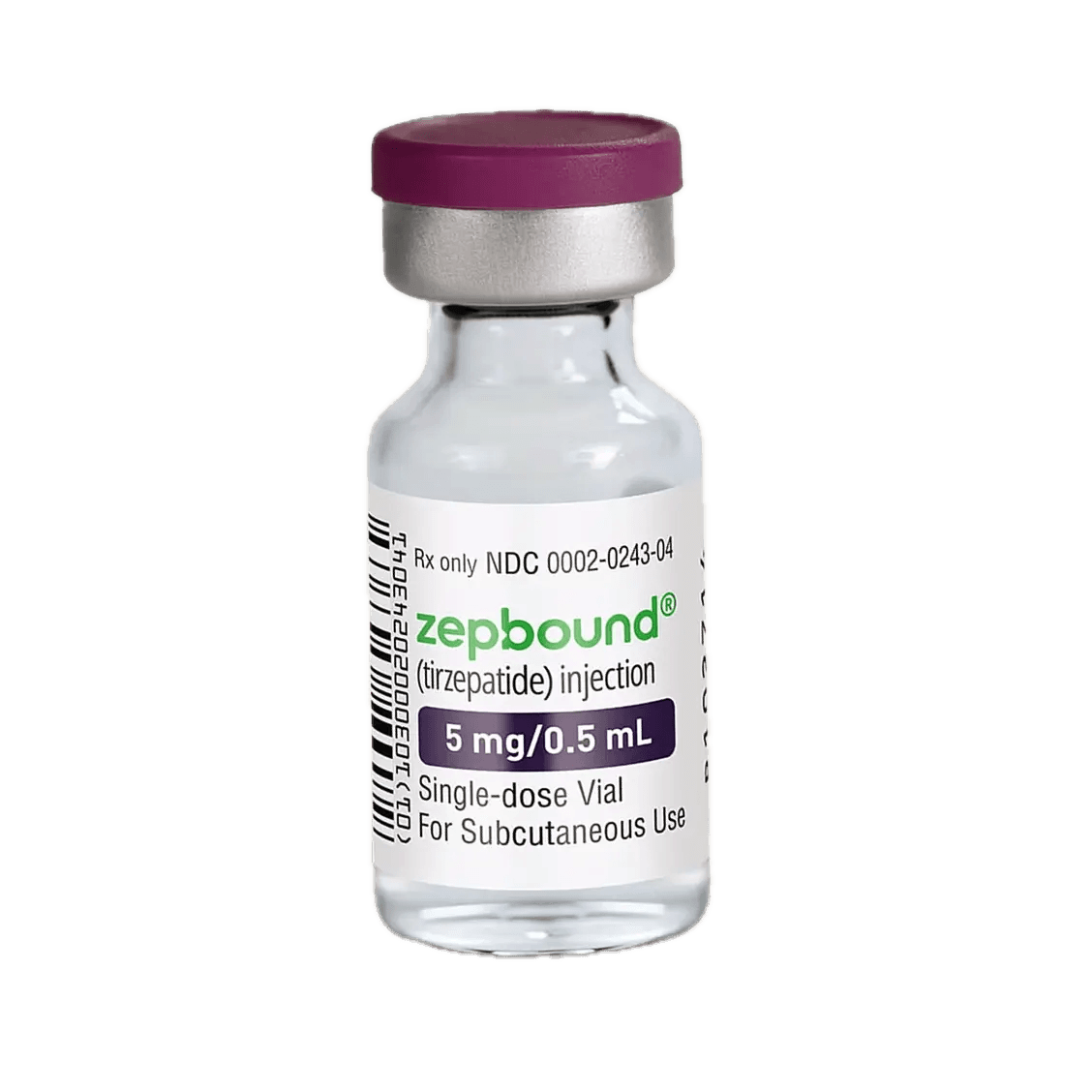
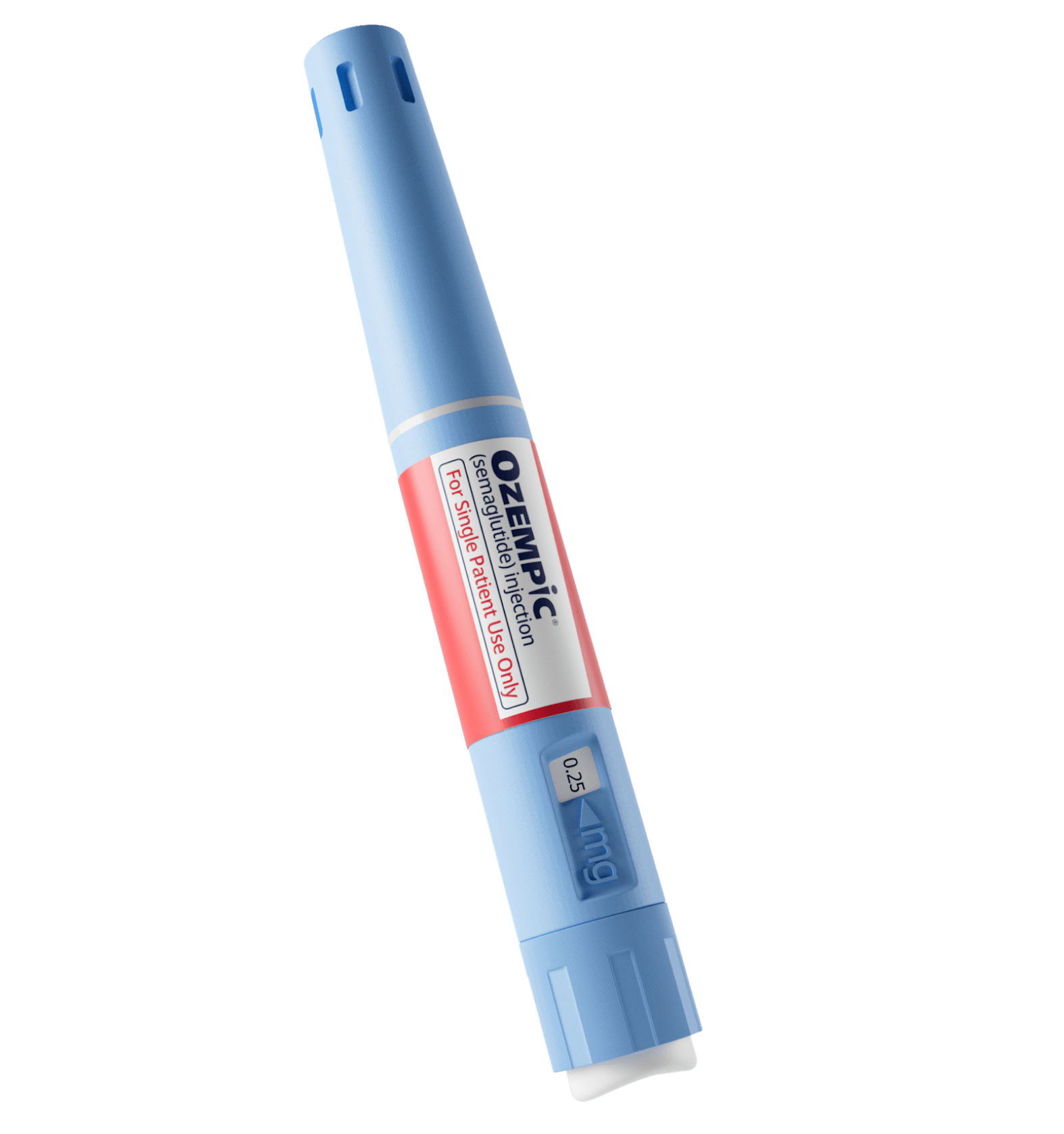
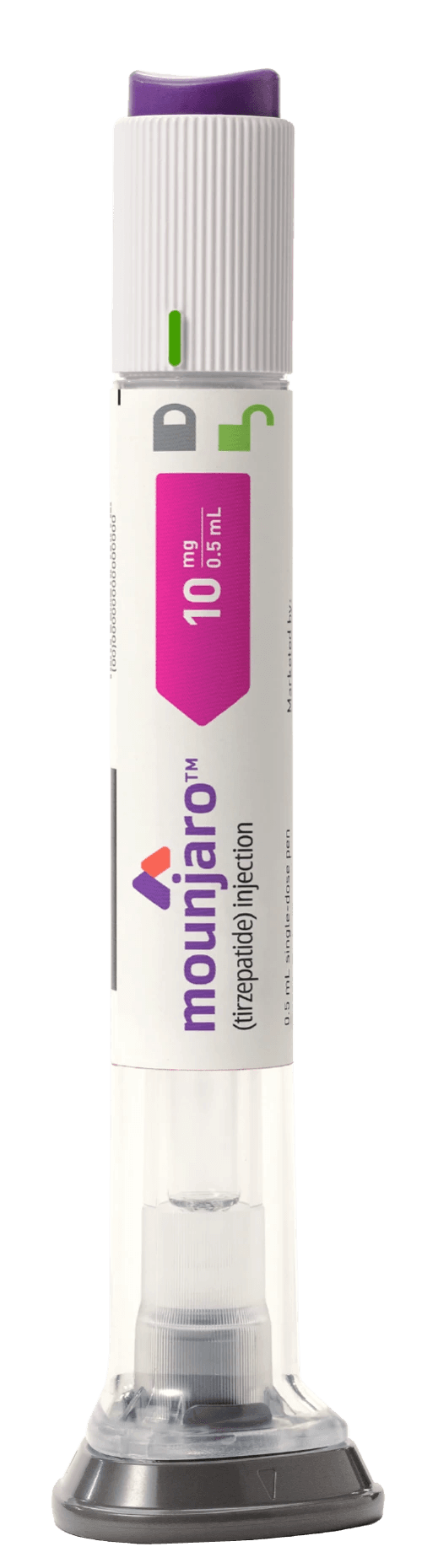
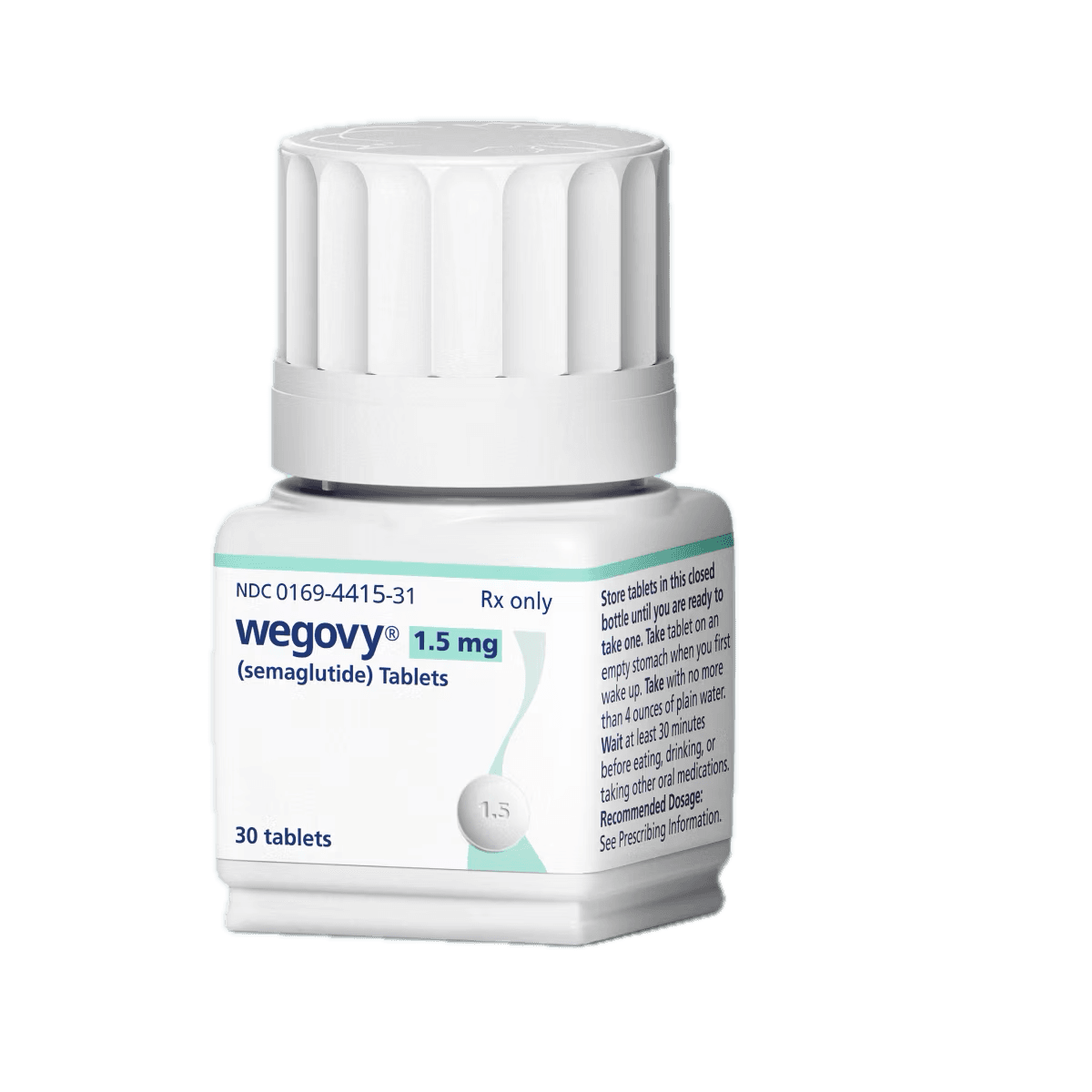
Those cards represent current supported pathways, not a statement about every product in the future pipeline.
That distinction matters.
Approved and supported medication paths can belong in intake, checkout, patient education, and refill operations.
Investigational products should not be marketed as available treatment options until they are actually approved and operationally supportable.
That is one of the most important boundaries for GLP-1 content in 2026.
CagriSema may create a combination-injection pathway
CagriSema is one of the most important near-term pipeline products to watch.
Novo Nordisk submitted a U.S. FDA application in December 2025 for CagriSema, a once-weekly combination of semaglutide and the amylin analogue cagrilintide. Novo said in February 2026 that an FDA decision was anticipated by late 2026.
The same announcement also said CagriSema achieved 23% weight loss after 84 weeks in REDEFINE 4 but did not meet the primary endpoint of showing non-inferiority compared with tirzepatide 15 mg.
That nuance matters.
For telehealth operators, CagriSema should be treated as a potential future pathway, not a guaranteed category reset.
For telehealth teams, the operational implication is not simply "another injection."
If approved, combination therapy may require a different education layer:
- why this product is different from semaglutide alone
- what patients should expect from a combination pathway
- how side effects and tolerability should be discussed
- how switching from another medication should be handled
- whether the pharmacy model or device instructions differ
- how to explain fit without making broad superiority claims
The patient may not understand "GLP-1 plus amylin analogue."
The workflow has to translate that into a clear care path.
Retatrutide is the potency watchlist, not a launchable offer
Retatrutide is getting intense market attention because it is an investigational triple hormone receptor agonist targeting GIP, GLP-1, and glucagon receptors.
Lilly reported in December 2025 that retatrutide delivered up to 28.7% average weight loss in a Phase 3 trial in adults with obesity or overweight and knee osteoarthritis. Lilly also said seven additional Phase 3 trials were expected to complete in 2026.
That makes retatrutide important to watch.
It does not make it a commercial telehealth offer today.
As of this post date, retatrutide has not been FDA approved for obesity, diabetes, osteoarthritis, sleep apnea, or any other DTC telehealth use case.
Telehealth teams should avoid:
- advertising retatrutide as available
- using "coming soon" language that implies access
- collecting payment or waitlist intent around unapproved treatment
- comparing investigational outcomes to approved products as if they are interchangeable
- letting support teams answer patient questions with speculation
The right posture is education and readiness.
If retatrutide eventually becomes approved and commercially available, it may fit a more specific segment: patients with higher weight-loss needs, comorbidity-led pathways, or escalation after other therapies.
But until approval, it belongs in pipeline monitoring, not product merchandising.
Survodutide signals a broader metabolic-health future
Survodutide is another important signal because it points toward metabolic-health positioning beyond weight loss alone.
On April 28, 2026, Zealand Pharma announced that Boehringer Ingelheim's survodutide Phase 3 SYNCHRONIZE-1 trial met its primary endpoints, with significant weight loss and meaningful metabolic improvements in adults with obesity or overweight.
Survodutide is not a routine DTC telehealth product today.
But it matters because the market language is shifting.
Future programs may increasingly be built around:
- metabolic health
- liver health
- cardiovascular risk
- sleep apnea
- osteoarthritis and mobility
- long-term disease management
- body composition and maintenance
That is a different category than "weight-loss shot."
It requires stronger intake, lab logic, provider review, follow-up, and patient education.
Intake needs to become product-aware
Next-generation GLP-1 programs will need better intake.
Not longer intake.
Better intake.
The intake should help classify:
- starting versus continuing therapy
- oral preference versus injectable comfort
- prior GLP-1 experience
- side-effect history
- weight-related comorbidities
- insurance versus self-pay preference
- pharmacy pickup versus delivery preference
- nutrition and coaching needs
- lab or monitoring needs
- whether the patient may require escalation or in-person evaluation
The goal is not to let patients choose medication like a menu.
The goal is to give providers and operations teams enough context to route the patient responsibly.
Patient education has to change by pathway
Education should not be one generic GLP-1 email sequence.
Oral options need adherence and daily-routine support.
Injectables need dosing, storage, injection, and refill timing clarity.
Combination or dual-pathway therapies may need more explanation of mechanism, expectations, and why one option was selected.
High-potency future options may need stronger counseling around:
- rate of weight loss
- nutrition
- protein intake
- muscle preservation
- side effects
- when to contact the care team
- when care should be escalated
This is why GLP-1 Nutrition Support is becoming part of the core program rather than a nice-to-have add-on.
Patients will not stay engaged just because the medication category is popular.
They stay engaged when the care path remains understandable.
Access and billing will get more complex
As the medication mix expands, so will access complexity.
Programs may need to explain:
- medication-included versus consult-only pricing
- self-pay manufacturer channels
- retail pharmacy availability
- insurance and prior authorization
- dose-dependent pricing
- refill cadence
- medication switching
- pharmacy pickup versus delivery
- what happens if a product is unavailable
That complexity has to be reflected before checkout.
If patients learn after payment that the medication path is different from what they assumed, support tickets, refunds, and churn will follow.
Related reading: The New Cash-Pay GLP-1 Funnel.
What teams should prepare now
Telehealth teams do not need to rebuild everything for products that are not approved yet.
But they should prepare the operating model.
1. Separate approved products from pipeline watchlist items
Keep current care paths, educational watchlist content, and investigational-drug monitoring clearly separated.
2. Update intake routing
Add questions that help providers distinguish product preference, prior therapy, comorbidity context, and support needs.
3. Build medication-path education blocks
Create reusable education modules for oral, injectable, combination, and escalation pathways.
4. Tighten compliance review
Make sure marketing, intake, checkout, support, and portal copy do not imply access to unapproved therapies.
5. Prepare pharmacy and billing flexibility
New products may enter through different channels. The platform should be ready for multiple access models.
6. Train support teams on pipeline language
Patients will ask about CagriSema, retatrutide, and other pipeline products before they are available. Support should have clear, conservative answers.
Final takeaways
Next-generation GLP-1s will not just add more medication names to the category.
They will change how telehealth teams need to design:
- intake
- patient education
- provider routing
- billing
- pharmacy status
- support scripts
- refill logic
- nutrition and maintenance programs
The safest and strongest posture is simple:
support approved pathways well, monitor the pipeline carefully, and prepare the workflow before the market asks for it.
That is how a GLP-1 program stays credible as the category gets more crowded, more powerful, and more operationally complex.