The pen defined the category. The pill redefines the program.
Every GLP-1 program built before this year inherited its shape from the pen: weekly dosing, cold-chain shipping, injection training, sharps disposal, titration visits spaced in month-long steps. That shape leaked into everything, from the intake questions to the refill cadence to the tone of the patient education.
Now there are two oral GLP-1s on the market, prescriptions are ramping week over week, and a meaningful slice of new patients open the first visit with the same sentence: I want the pill.
You can serve those patients by treating the tablet as a variant of the injectable program. Most operators are doing exactly that, and it shows. Or you can notice that a daily oral medication is a different care product with different physics, and design for it. That second path is open right now, and hardly anyone has taken it.
For the market context on the two orals, see Oral GLP-1s in 2026: What Foundayo and the Wegovy Pill Mean for Telehealth.
What actually changes with a tablet
| Dimension | Injectable program | Pill-first program |
|---|---|---|
| Dosing rhythm | Weekly event | Daily habit |
| Administration | Technique training, needle anxiety handling | Timing and food-rule counseling |
| Cold chain | Yes, with all the shipping drama | No |
| Fulfillment | Signature-sensitive, temperature-monitored | Standard pharmacy shipping |
| Refill unit | Pens per month, dose-stepped | Tablet counts, dose-stepped |
| Titration | Provider-visit-paced steps | Same clinical pacing, different counseling load |
| Adherence failure mode | Missed weekly dose, big gap | Missed daily doses, silent drift |
| Patient self-image | "I'm on injections" | "I take a daily pill," much lower activation energy |
Two rows deserve special attention.
The dosing rules matter more than most funnels admit. One of the orals must be taken on an empty stomach with a small amount of water and a waiting period before food. The other was approved without food and water restrictions, which is precisely why patients ask for it by name. Your intake, your counseling content, and your comparison education have to get these details right, because the patient who picks a pill for convenience and then discovers a morning ritual they cannot keep is your next month-two cancellation.
And adherence changes shape entirely. An injectable patient who misses a dose knows it; a tablet patient drifts. Three missed mornings a week quietly halves the effect, the scale stalls, and the patient concludes the medication does not work. Daily-medication programs live or die on drift detection.
Intake design for a pill-first program
The intake for an oral program keeps the clinical core, and adds a short layer the injectable intake never needed:
- Routine mapping. What the patient's mornings actually look like. Shift workers, parents doing school runs, and intermittent fasters each interact differently with empty-stomach rules.
- Preference honesty. Why the pill? Needle avoidance, travel, privacy, or just novelty. The answer shapes the counseling and flags the patients who might actually do better on a weekly pen.
- Pill burden context. What else the patient takes daily, and when. Morning medication stacking is a real interaction and adherence question.
- Switch history. A growing share of oral patients are injectable veterans moving over. Their titration history travels with them, and their expectations need recalibrating.
Branching does the work here. A patient who reports a chaotic morning routine gets one extra screen and a different counseling track, not a longer form. The mechanics are the same ones we covered in Smart Branching in Intake Forms, and the mobile patterns in Mobile-First GLP-1 Intake Design apply unchanged.
The daily rhythm is a retention gift, if you use it
Here is the part that should excite growth teams. A weekly injectable gives you 52 natural touchpoints a year. A daily tablet gives you 365, and the patient's phone is already in their hand at dose time.
Used clumsily, that becomes notification spam. Used well, it becomes the tightest retention loop in telehealth:
- A lightweight daily check-in the patient can answer in two taps, feeding a streak view they actually care about
- Drift detection that notices three missed days and responds with help, not guilt: a provider message, a timing adjustment, a rules refresher
- Weekly summaries that tie adherence to trend, so the patient sees the connection between consistent mornings and a moving scale
- Titration counseling delivered in-portal exactly when the step-up happens, not in a PDF from onboarding
The refill math also tightens. Tablet counts mean a refill misfire strands a patient with zero doses, not a partial pen. Anticipatory refill operations move from nice-to-have to load-bearing; the workflow in GLP-1 Refill Operations applies with shorter tolerances.
Fulfillment, meanwhile, gets easier. No cold chain means broader pharmacy options, cheaper shipping, and fewer melted-package support tickets. Routing logic still matters for stock and state coverage, per Pharmacy Routing Architecture, but the tablet lane is simply calmer.
The switch conversation
Pill-first does not mean pill-only. A real program handles three moves gracefully:
Injectable to oral. Usually motivated by needle fatigue or travel. The clinical conversation covers equivalence expectations honestly; the operational one carries titration history forward without making the patient start their story over.
Oral to injectable. Usually motivated by plateau or by dosing-rule fatigue. This is a care escalation, not a failure, and the program's language should say so.
Oral to oral. The two tablets have different food rules and different personalities. Some patients will want to trade morning discipline for flexibility. A program that can have that conversation credibly, without pushing either brand, earns trust that outlasts the prescription.
Every one of these is a moment where a generic program loses a patient to a competitor with better answers. A pill-fluent program keeps them, because switching inside the program is easier than switching out of it.
Example GLP-1 Treatments We Can Launch
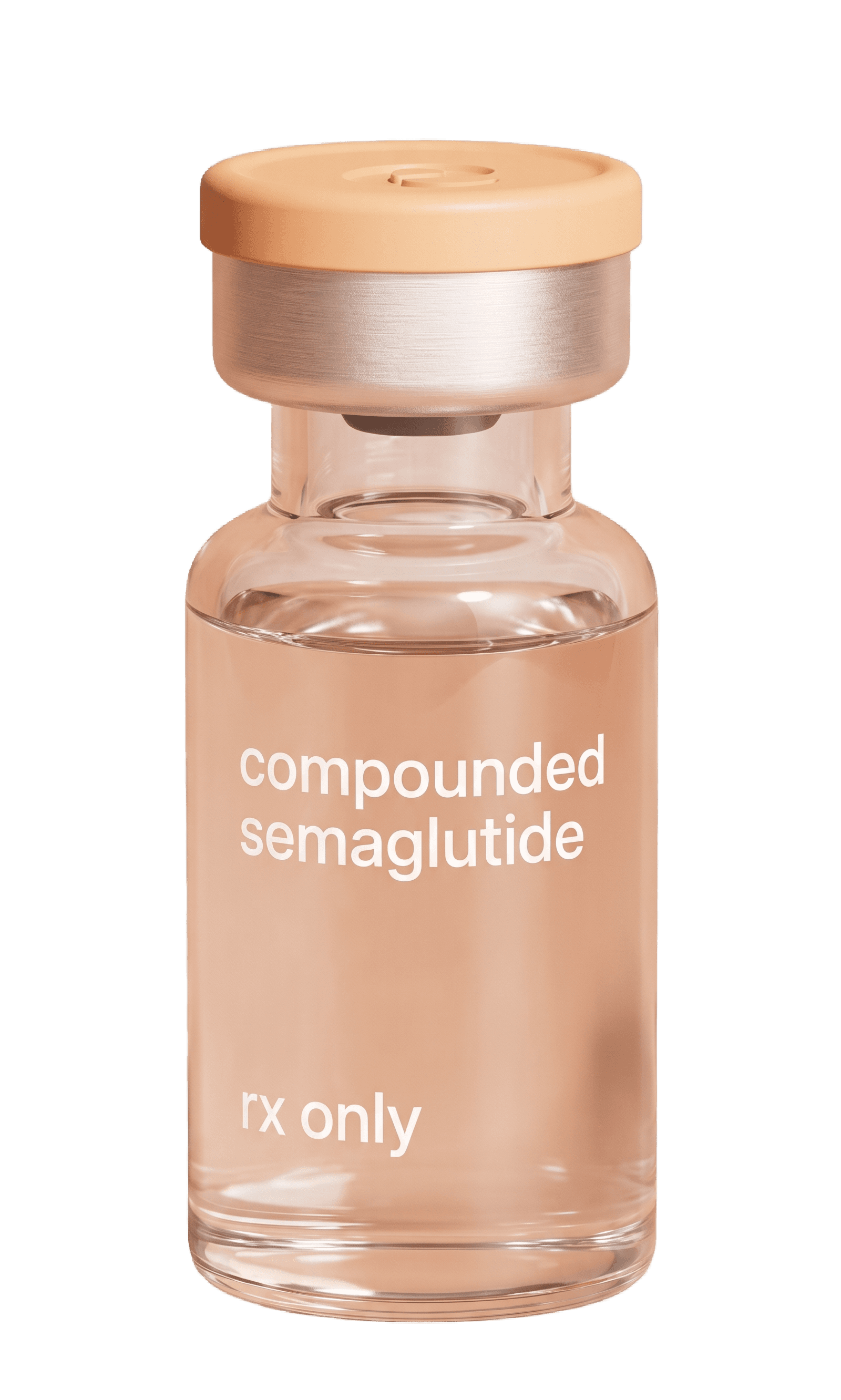
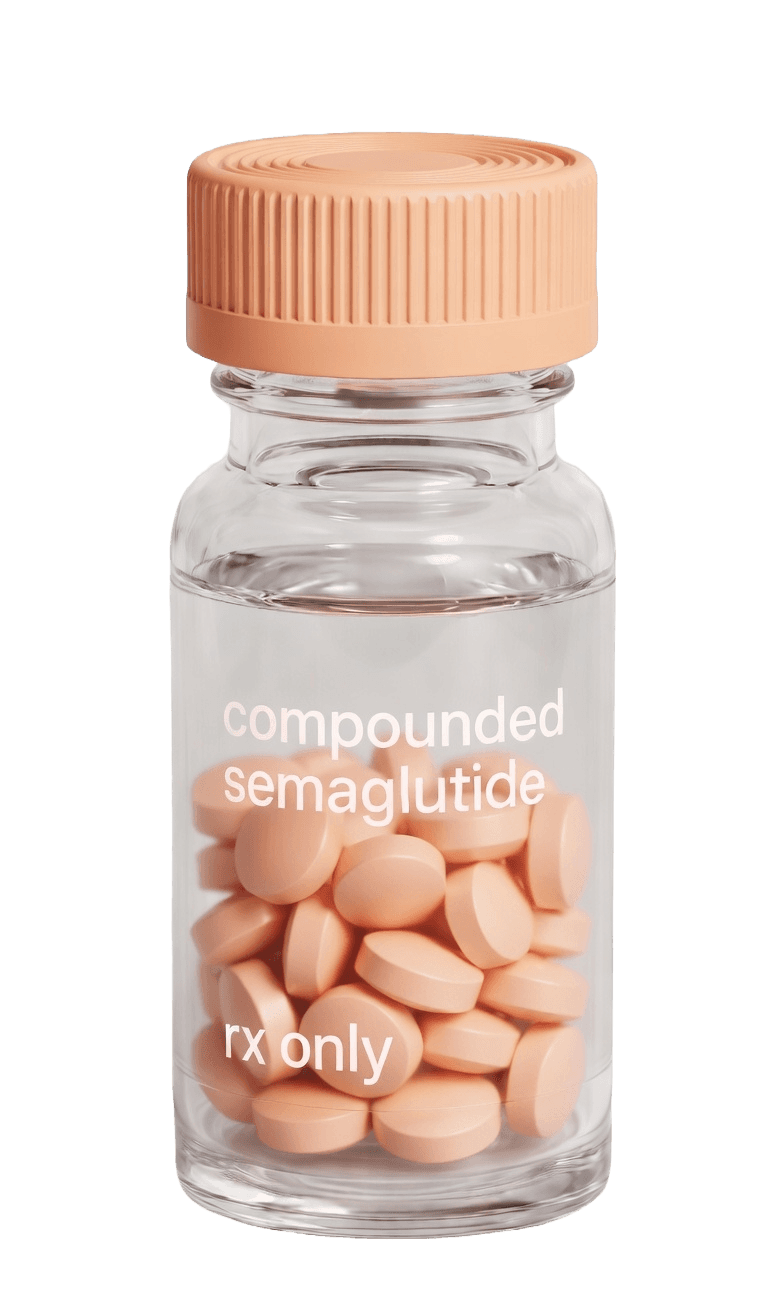
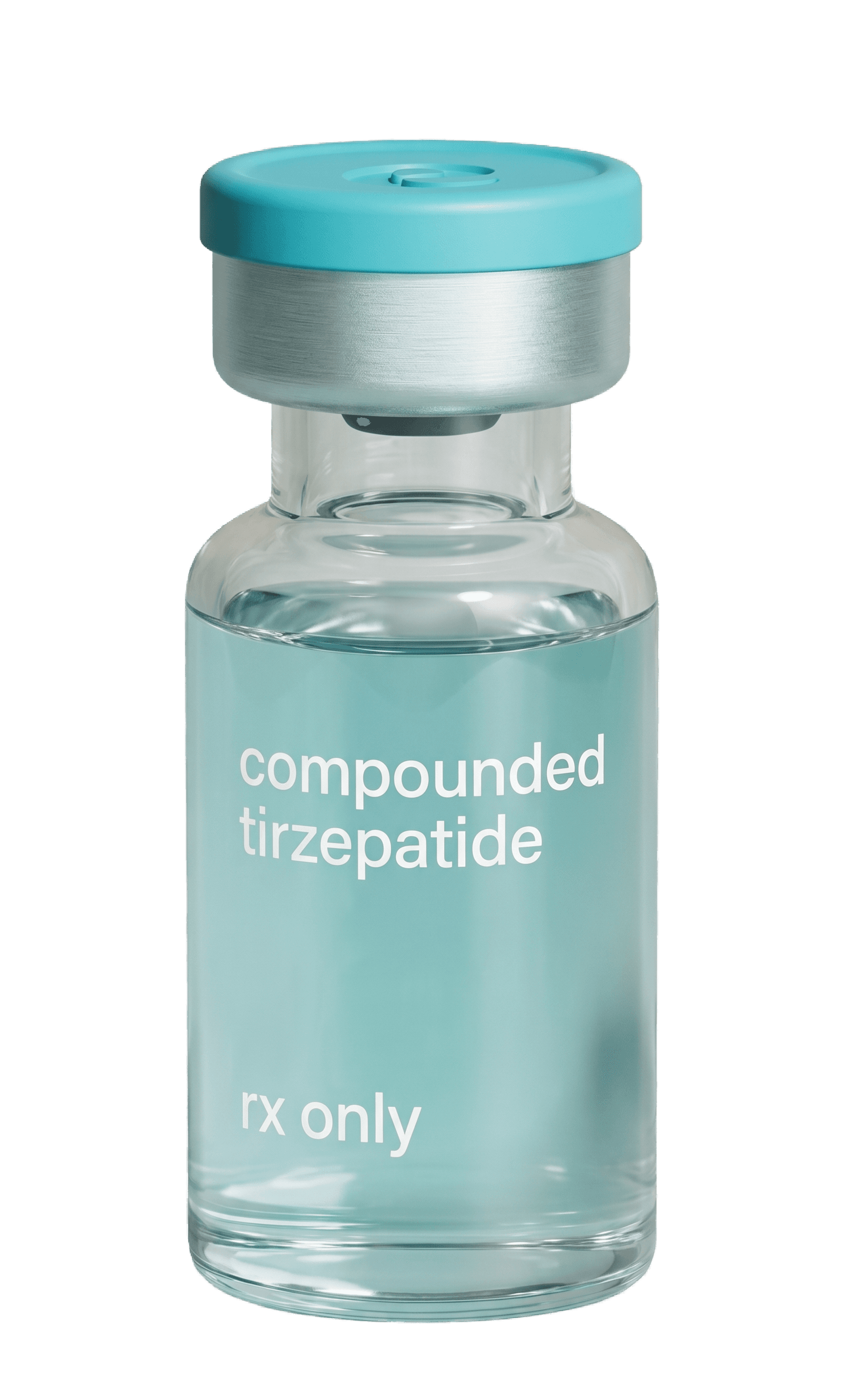
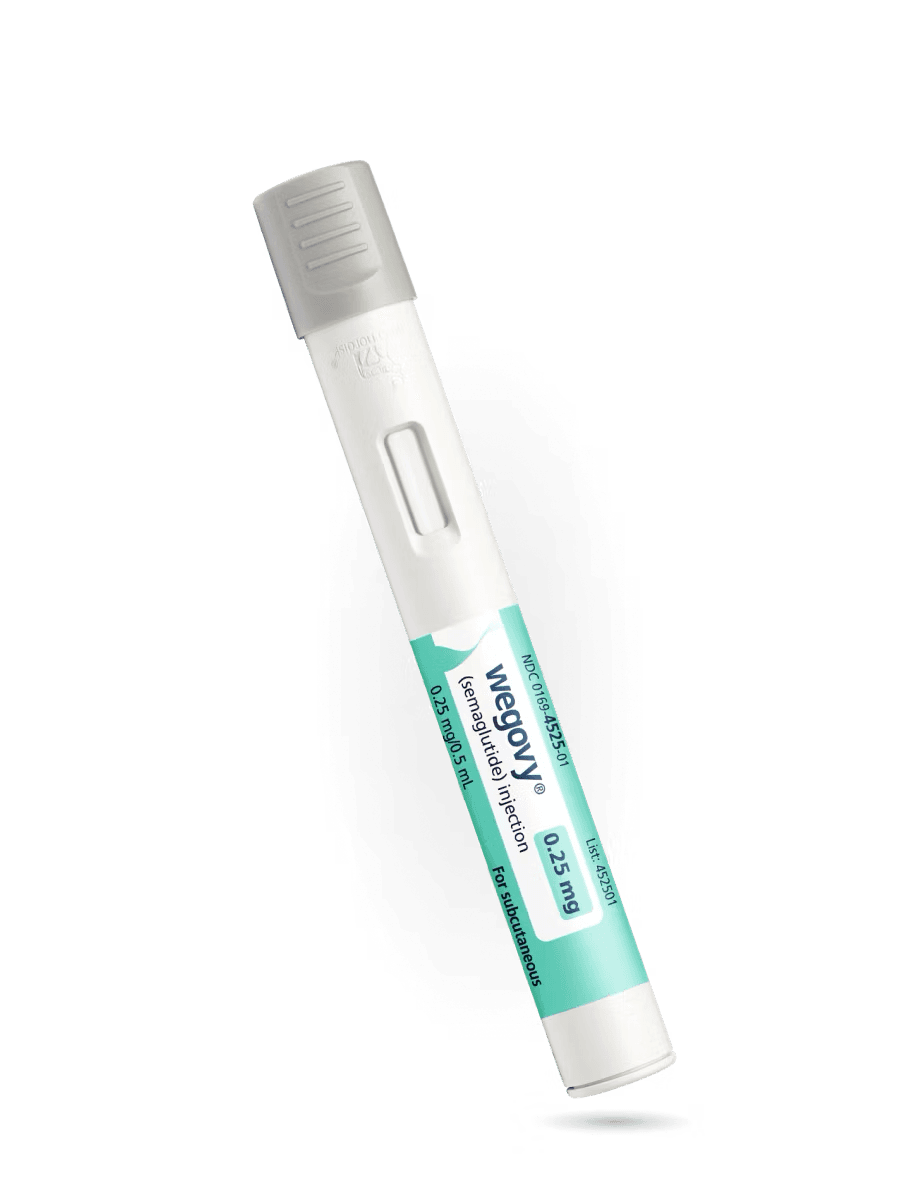
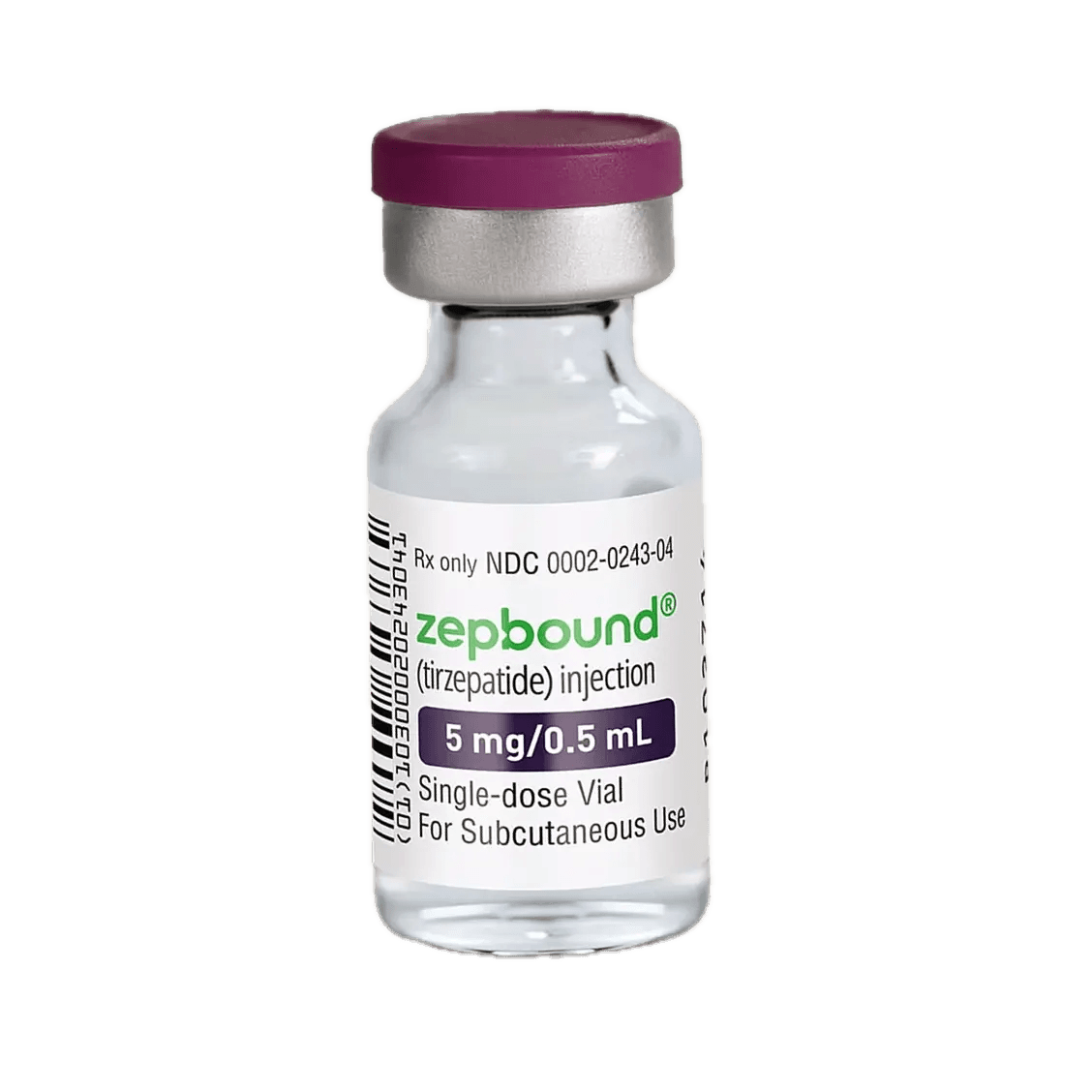
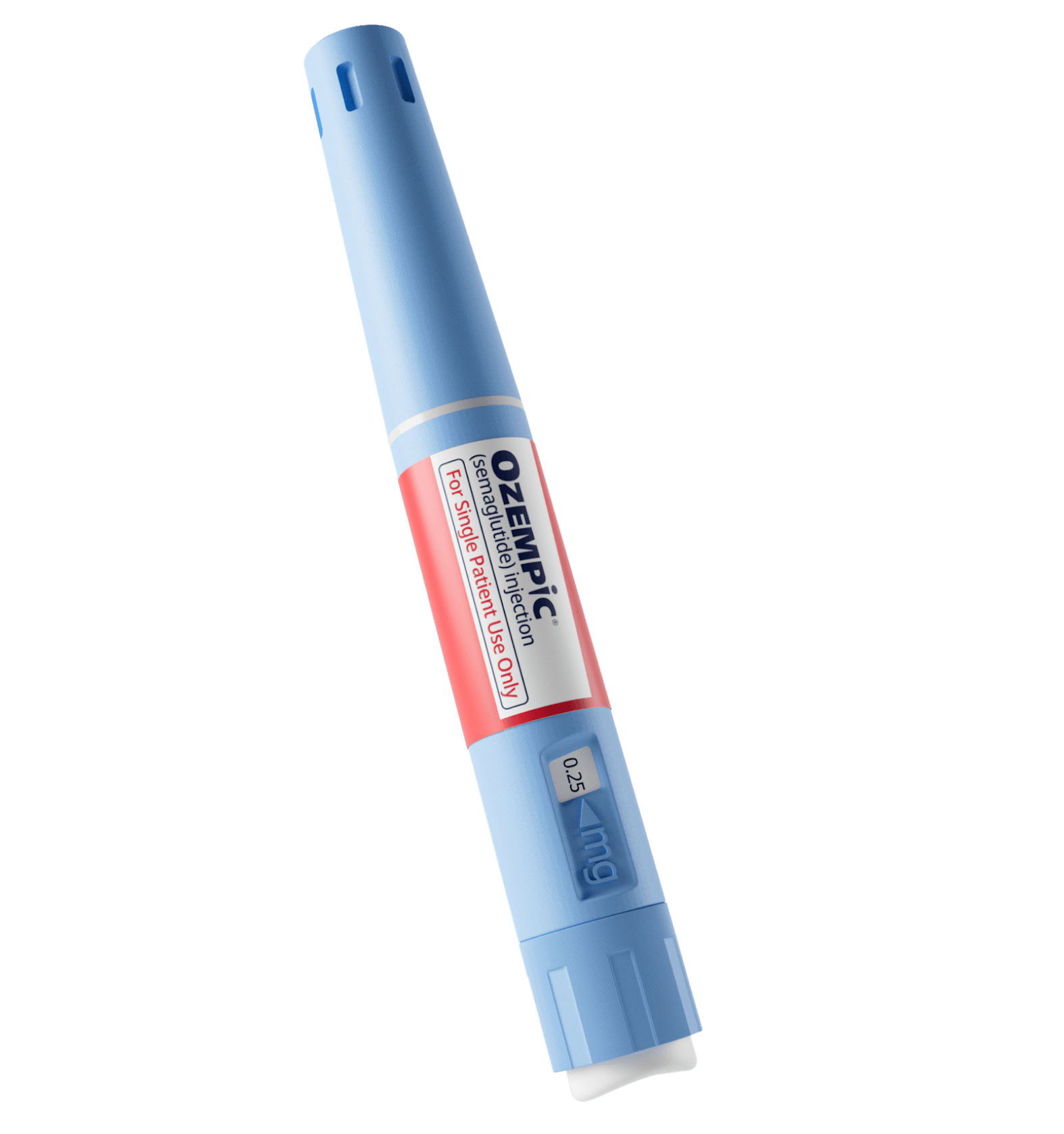
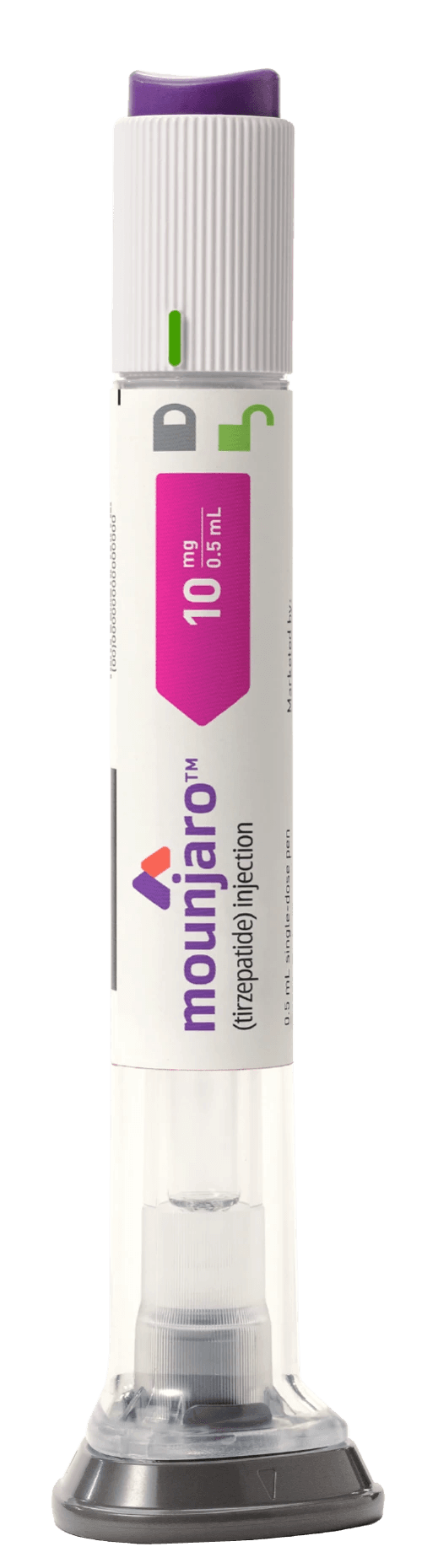
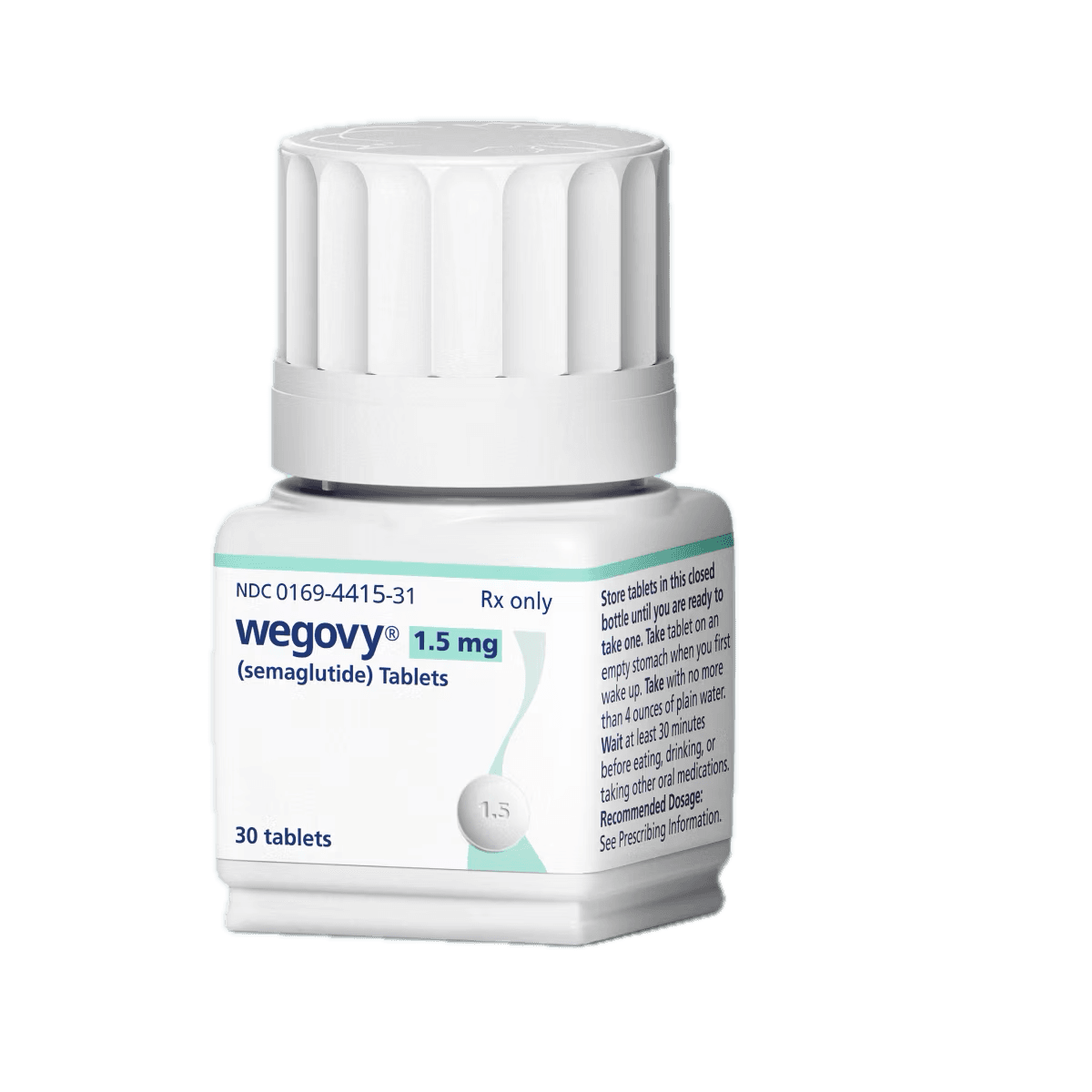
FAQ
What is a pill-first weight program? A weight management program designed around daily oral GLP-1s as the default modality, with intake, counseling, refills, and retention built for daily-medication dynamics, rather than an injectable program that also offers tablets.
How is caring for oral GLP-1 patients different from injectable patients? Daily dosing replaces weekly events, food-and-timing counseling replaces injection training, cold-chain shipping disappears, adherence failure becomes gradual drift instead of visible missed doses, and refill tolerances tighten because tablet counts run out completely.
Do oral GLP-1s have food and timing restrictions? One currently available oral must be taken on an empty stomach with a waiting period before eating; the other was approved without food and water restrictions. Programs need intake and counseling that get these specifics right for each medication.
What should intake capture for an oral GLP-1 patient? Morning routine, other daily medications and their timing, the patient's reason for preferring a pill, and any prior injectable history, in addition to the standard clinical evaluation.
How do programs keep oral GLP-1 patients adherent? Drift detection with supportive outreach, lightweight daily check-ins, streak and trend views in the portal, and titration guidance delivered at the moment of each dose change. Daily medications reward programs that build a daily relationship.
Can patients switch between oral and injectable GLP-1s in one program? Yes, and a well-designed program treats switching as a normal clinical conversation, carrying titration history across the change instead of restarting the patient's journey.
The window
Injectable programs took three years to converge on their current shape. The oral category is months old, patients are arriving with the preference already formed, and nobody owns "the pill program done right" yet, not in search results, not in AI answers, and not in patients' heads.
Programs that design for the tablet now, on infrastructure flexible enough to run both modalities side by side, get to define what pill-first care looks like. That is a better position than adapting to someone else's definition next year.