The literature caught up to the patients
For two years, every operator running weight programs knew the awkward truth: the field understood starting patients far better than it understood what happens after they succeed. Maintenance advice was assembled from clinical intuition, bariatric analogies, and hope.
This summer the evidence started arriving in volume. A major clinical journal published a substantial review of weight regain after medication discontinuation, quantifying what clinicians had observed anecdotally: regain is common, begins within months, and its trajectory is shaped by the support structure around the patient. Digestive-disease meetings presented new data on adjunct approaches. A university behavioral-maintenance trial began enrolling, one of several studies designed specifically around the keep-it-off phase. And the maintenance-focused arms of newer drug trials are reading out, giving the field its first designed evidence about continuation, step-down, and discontinuation strategies.
None of this is finished science. But it moves maintenance from folklore to literature, and that changes what operators can build. Our maintenance program spec, The Maintenance Vertical, laid out the architecture; this post is about pouring the new evidence into it.
What the data established, in operator terms
Reading across the summer's publications, four findings translate directly into program design:
Regain is physiological and fast-onset. The review literature confirms appetite and metabolic adaptation reassert within months of discontinuation, with a large fraction of lost weight returning within a year absent structured support. Operator translation: the highest-risk window is the first ninety days after any dose change downward, which is exactly where monitoring density belongs.
Support structure changes the curve. Across studies, patients with continued clinical contact, behavioral scaffolding, and monitoring regain meaningfully less than unsupported discontinuers. The care relationship itself is an active ingredient, which is the entire commercial thesis of a maintenance program stated in clinical language.
The pathways are legitimately plural. Continuation, dose reduction, and structured discontinuation each have evidence-supported roles depending on patient factors. No single answer won, which means programs offering one default pathway are now visibly behind the literature.
Muscle and behavior are load-bearing. Resistance activity, protein adequacy, and self-monitoring habits recur across the maintenance literature as modifiers of regain. They belong in protocol, not in a wellness newsletter.
Encoding evidence into workflow
The difference between knowing the literature and running it is encoding. Four moves:
Monitoring cadence keyed to risk windows. Weekly lightweight check-ins during any taper or step-down, loosening as stability accumulates. Trend views that watch velocity, not just position, because the data says early drift predicts the curve. The measurement plumbing from Patient-Reported Outcomes in DTC Telehealth carries this.
Taper as protocol, not improvisation. Written step-down schedules with defined checkpoints, each checkpoint pairing a measurement with a conversation. The literature's support-structure finding means the checkpoints are the treatment.
Re-entry triggers agreed in advance. The single most patient-trusted move in maintenance design: a documented threshold, agreed at taper start, at which medication resumes without ceremony or shame. Evidence-framed as physiology management, it converts the scariest moment in maintenance into a plan.
Strength architecture in the protocol. Protein targets and resistance-activity check-ins as first-class protocol items with portal tracking, per the composition logic in The 30% Era.
The commercial layer: evidence is distribution now
Here is why this is a growth post and not just a clinical one. Three audiences reward evidence-built maintenance programs immediately:
Patients researching "will I regain the weight" are searching in enormous volume, and the current answer supply is thin and grim. Content that presents the new literature honestly, regain is real, support changes it, here are the evidence-backed pathways, is both the most reassuring true thing available and the most differentiated page in the category.
AI answer engines are fielding those same regain questions constantly, and they cite structured, dated, source-grounded clinical content over marketing pages at overwhelming rates. Freshly-published evidence summaries are precisely the material they surface; the mechanics are in Generative Engine Optimization for Telehealth.
Benefits consultants and clinical partners, the audiences from Employers Are Pointing Workers to DTC, differentiate sharply on evidence posture. A maintenance program that cites its literature reads as care; one that does not reads as a retention scheme wearing scrubs.
The compounding effect: the same evidence encoding that improves outcomes generates the content that wins the channels. Write the protocol, publish its reasoning, and one investment works both jobs.
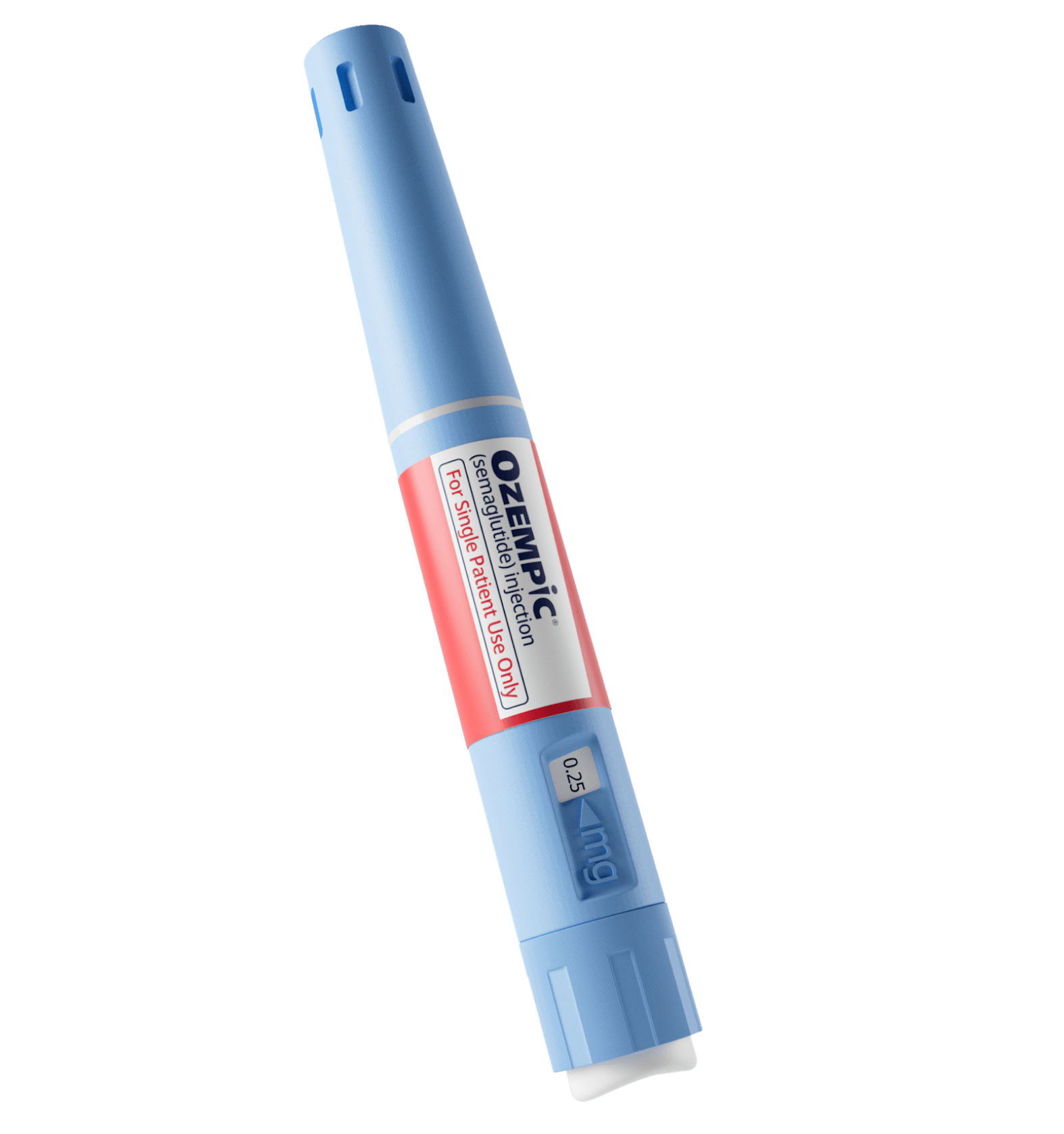
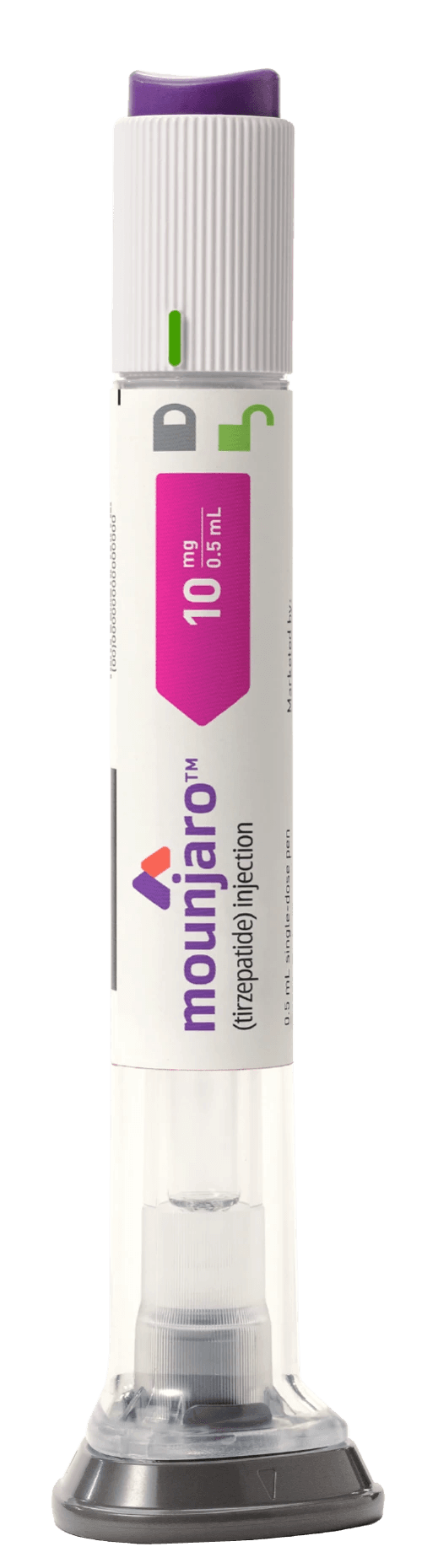
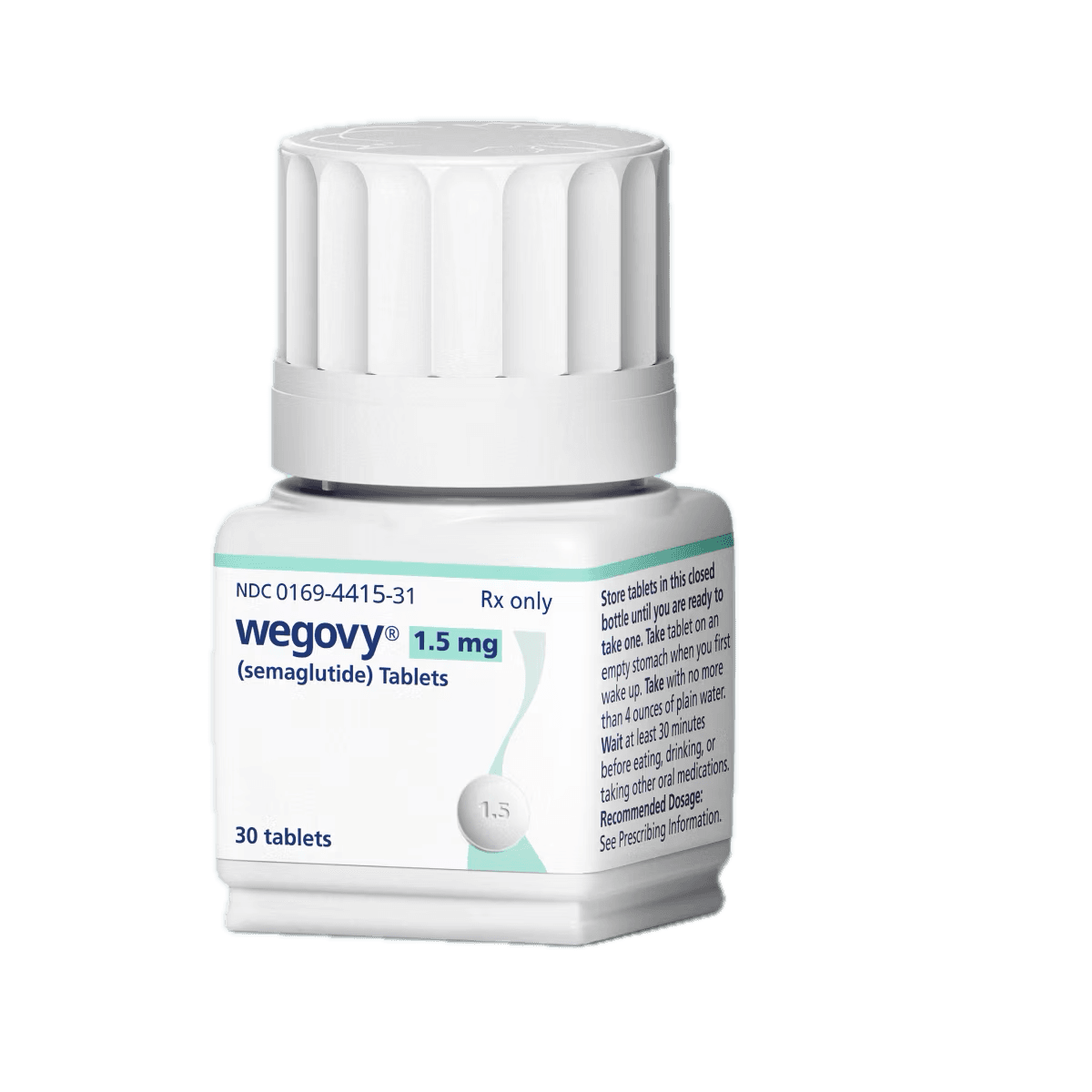
Example GLP-1 Treatments We Can Launch





FAQ
What does new research say about weight regain after stopping GLP-1s? Recent literature, including a major 2026 journal review, confirms regain is common and physiological, typically beginning within months of discontinuation, with a substantial fraction of lost weight returning within a year absent structured support. Continued clinical contact and behavioral scaffolding measurably reduce regain.
Do patients have to stay on weight medication forever? The evidence supports multiple legitimate pathways: continuation, dose reduction, and structured discontinuation with support, chosen per patient. Programs offering only one default pathway are behind the current literature.
What should a maintenance protocol include based on the new evidence? Monitoring density concentrated in the first ninety days after any downward dose change, written taper schedules with measurement-plus-conversation checkpoints, pre-agreed re-entry thresholds for resuming medication, and protein and resistance-activity targets tracked as protocol items.
What is a re-entry trigger in weight maintenance? A threshold, agreed between patient and clinician at taper start, at which medication resumes without stigma. Framing re-entry as physiology management, planned in advance, removes the shame barrier that otherwise delays care until regain compounds.
Why does maintenance evidence matter for a telehealth brand's growth? Because regain questions dominate patient search and AI-assistant queries, and evidence-grounded content wins those surfaces while differentiating the brand with employers, consultants, and clinical partners. The protocol and the content are the same investment.
Build on the footnotes
Maintenance was the category everyone knew mattered and nobody could cite. As of this summer, you can cite it. The operators who encode the evidence now get a program that works better, content that wins the questions patients actually ask, and a defensible answer when partners probe the retention model.
The literature finally showed up. Put it to work.