Do not choose the next program from a medication list alone
Most telehealth expansion conversations start too narrowly.
The team asks:
"What can we prescribe next?"
That is the wrong first question.
A better question is:
"What program can we operate well enough that patients trust it, providers can review it safely, and the business can retain it?"
That distinction matters because specialty expansion is not just a catalog decision.
It affects:
- acquisition strategy
- intake design
- provider capacity
- pharmacy and lab workflows
- refill cadence
- billing model
- support burden
- state expansion
- clinical documentation
- retention messaging
GLP-1, hair loss, sexual health, menopause, longevity, and mental health may all be "telehealth programs."
They do not behave the same operationally.
The five-part expansion scorecard
A useful specialty expansion decision usually compares five dimensions.
| Dimension | What to ask | Why it matters |
|---|---|---|
| Demand | Are patients already searching for this problem and ready to pay? | High demand lowers education burden |
| Clinical complexity | How much review, follow-up, lab work, or escalation is needed? | Complexity affects provider capacity and risk |
| Operational dependency | Does the program rely on pharmacy, labs, devices, or in-person partners? | Dependencies create failure points |
| Repeat-care potential | Is there a natural refill, membership, follow-up, or monitoring cadence? | Repeat care supports retention |
| Brand adjacency | Does this fit the audience you already have? | Existing trust lowers acquisition cost |
The best next program is not always the one with the biggest market.
It is often the one where those five dimensions line up with the team you already have.
GLP-1 teaches the main lesson: access is only the beginning
GLP-1 programs are a useful benchmark because they show both the upside and the operating burden of a high-demand category.
Public examples in our directory today include:
Example GLP-1 Treatments We Can Launch



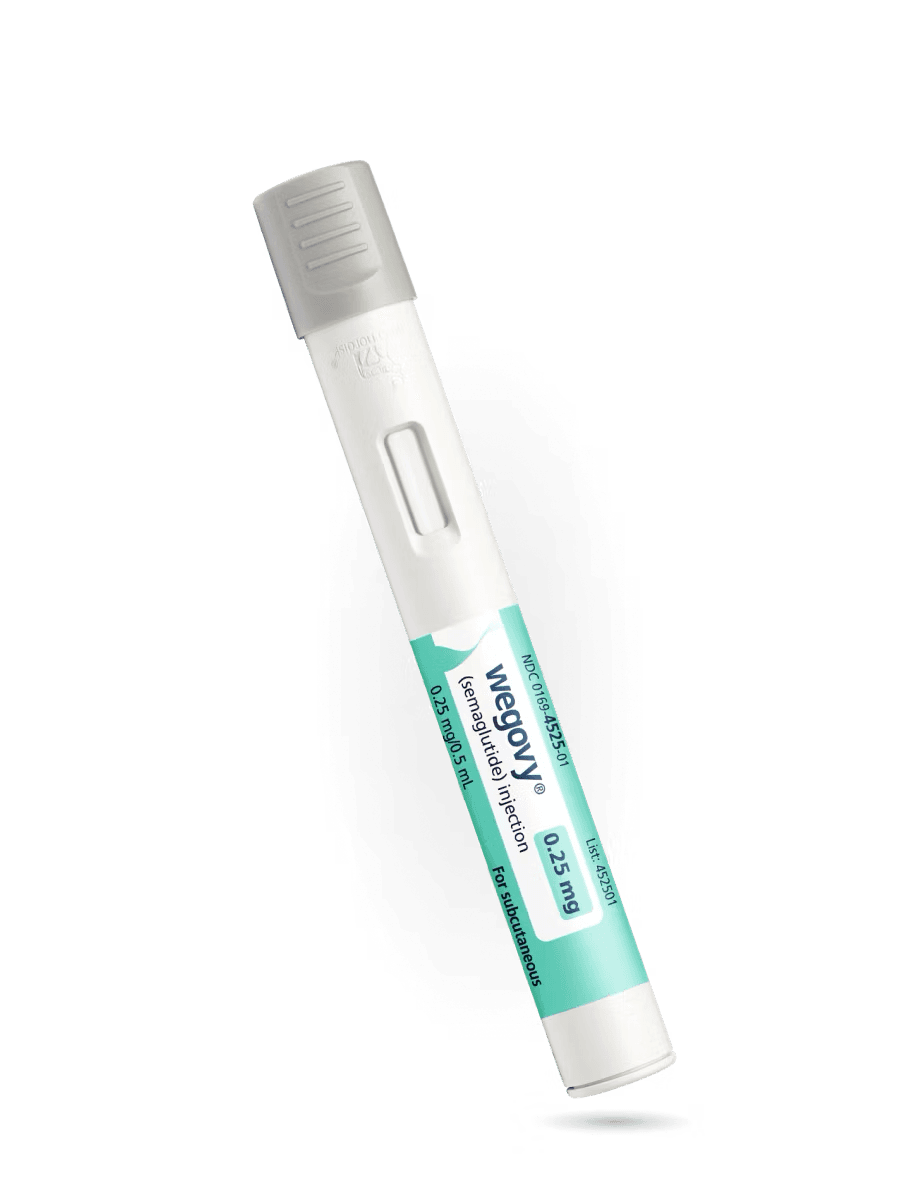

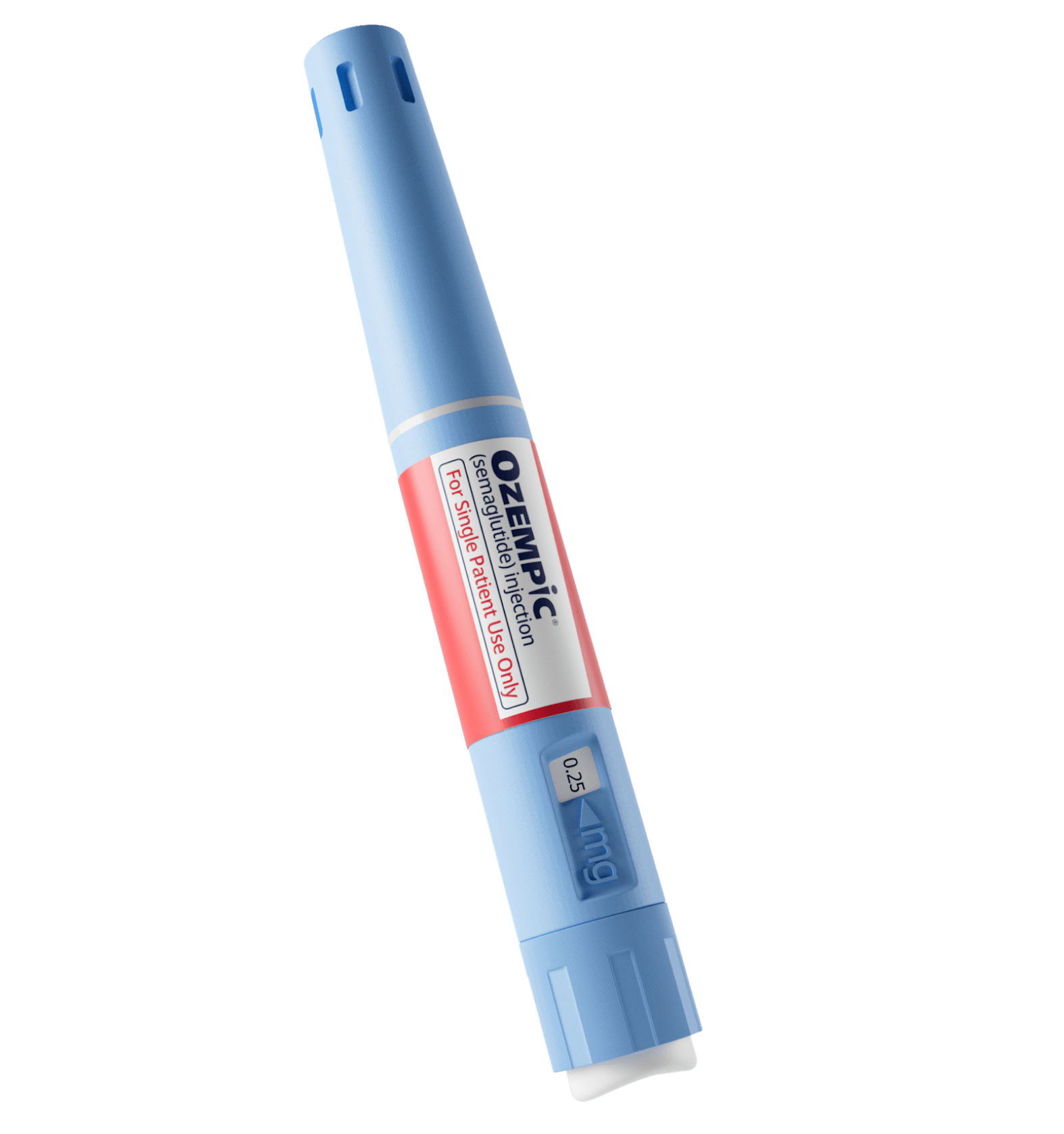
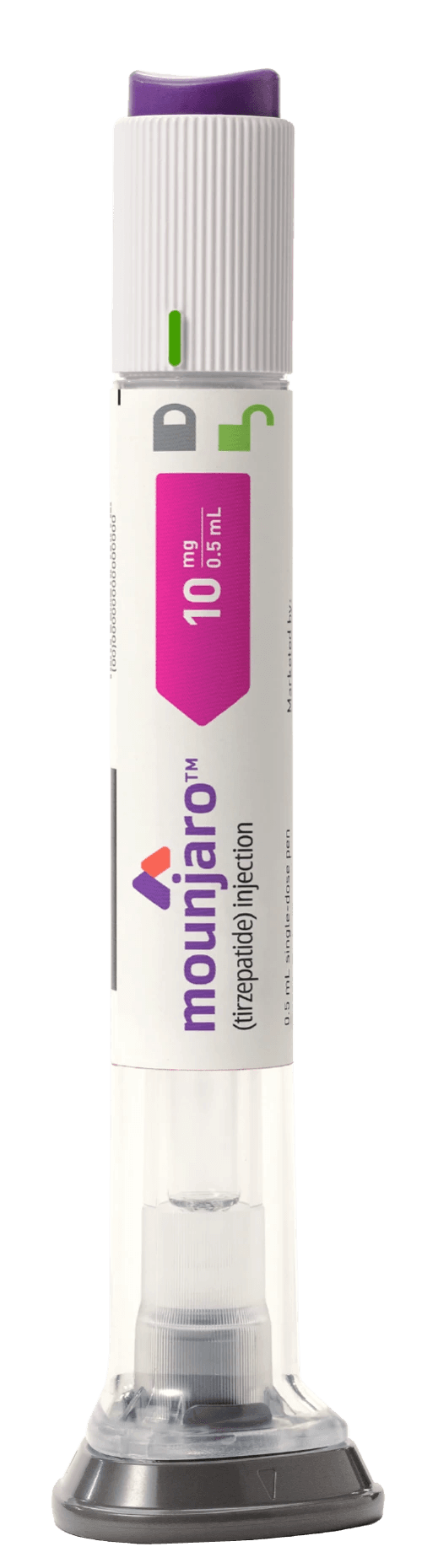
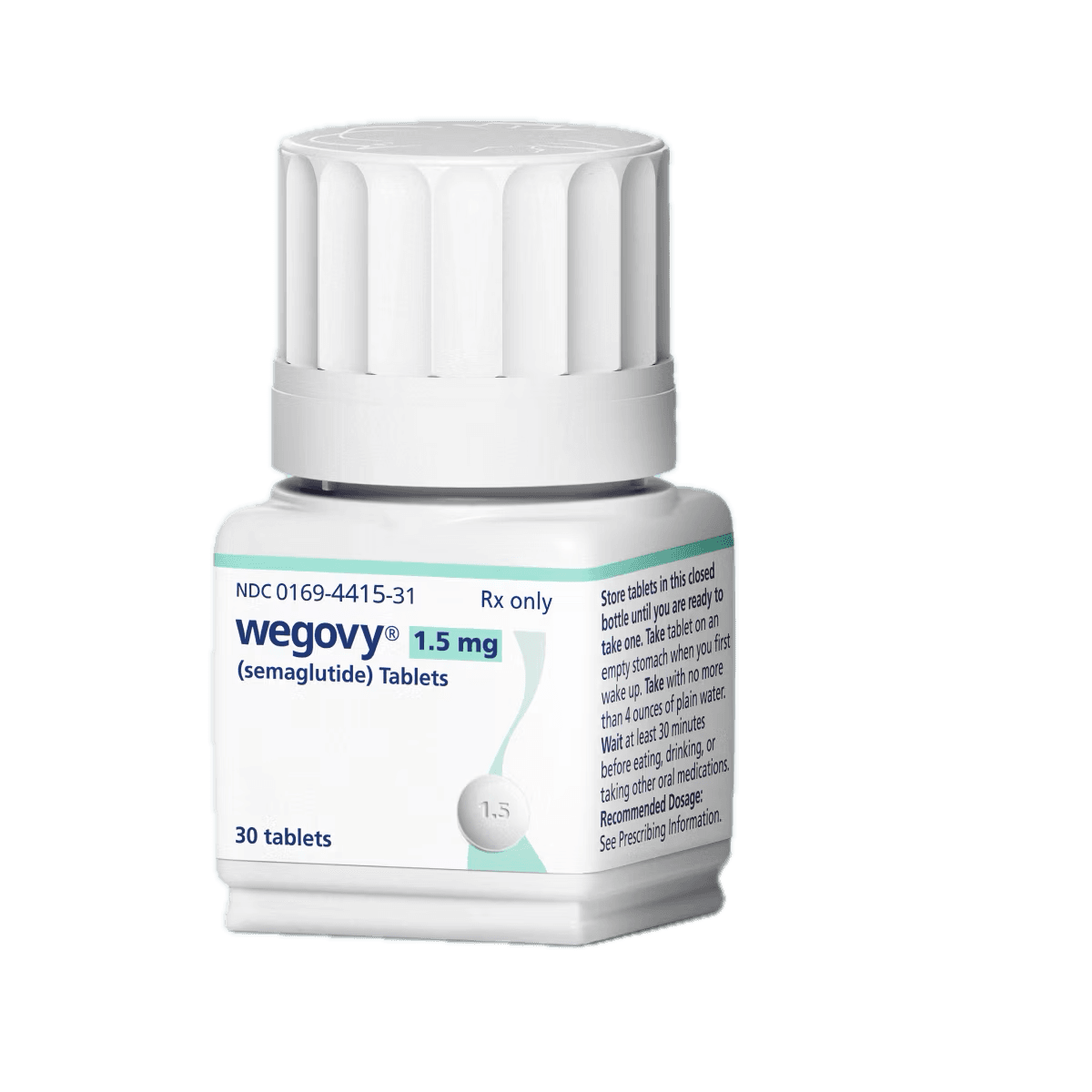
The demand is obvious.
But GLP-1 also brings:
- eligibility screening
- side-effect management
- refill timing
- pharmacy access
- price sensitivity
- nutrition support
- dose-stage messaging
- marketing scrutiny
- retention risk after early progress
That means GLP-1 is not just a prescription program.
It is a lifecycle program.
If a team handled GLP-1 well, it may have strong building blocks for other recurring categories. But if the GLP-1 program only works because demand is overwhelming, that does not automatically translate to the next specialty.
Related reading: GLP-1 Nutrition Support: The Missing Layer Between Prescription, Refill, and Long-Term Retention.
Hair loss is simpler, but only if routing is disciplined
Hair-loss programs can be operationally attractive.
They often have:
- recurring treatment potential
- understandable patient motivation
- relatively clean subscription logic
- strong fit with photo upload and asynchronous review
- natural retention through refills and progress tracking
But they still need guardrails.
Not every hair-loss presentation belongs in the same default workflow. A good program needs intake logic that can distinguish straightforward cases from patients who need deeper review or a different workup.
That makes hair loss a good expansion candidate for teams that already have:
- strong intake branching
- photo upload
- provider review templates
- refill reminders
- support visibility into order and prescription status
Related reading: How New Alopecia Lab-Testing Guidance Should Change Hair-Loss Intake and Provider Review.
Sexual health is a privacy and continuity test
Sexual health and ED programs often look simple from the outside.
The patient journey can be discreet, digital, and recurring.
But the program has to be excellent at:
- privacy-first onboarding
- clear contraindication screening
- medication-specific education
- pharmacy fulfillment
- refill and reauthorization logic
- sensitive support communication
- cross-sell restraint
The category can work well when the patient experience feels discreet and competent.
It can feel cheap quickly if the brand treats it like a generic checkout flow.
For operators, sexual health is a strong test of whether the platform can handle recurring care with patient trust, not just conversion.
Menopause and women's health need longitudinal design
Menopause, hormonal health, and broader women's health programs are not usually won through a one-visit funnel.
They need:
- education before conversion
- nuanced intake
- symptom tracking
- lab or record handling where appropriate
- provider review with enough context
- follow-up over time
- care-plan adjustments
- portal messaging that does not feel transactional
This makes the category attractive for teams that want deeper patient relationships.
It also means the operating model should be built for continuity from the beginning.
If the team only has a checkout-optimized funnel, women's health will expose the gaps.
Related reading: How to Design a Telehealth Menopause Program for 2026.
Longevity and peptides require extra restraint
Longevity categories can be tempting because they pair high patient curiosity with recurring revenue potential.
But they also bring more ambiguity.
The program needs a careful point of view on:
- which products are appropriate to support
- what claims can and cannot be made
- what evidence standard the brand will use
- how provider review is documented
- whether the program is positioned as wellness, treatment, optimization, or something else
- how to avoid turning the catalog into a risky marketplace
This is a category where restraint can be a competitive advantage.
A smaller, better-governed program is usually stronger than a broad menu of poorly explained products.
Related reading: Regenerative Peptides in 2026: What Telehealth Teams Should Watch Before the July FDA Committee.
Mental health is high-fit for telehealth, but not a light lift
Telehealth utilization remains especially strong in mental health compared with many other specialties. The American Hospital Association's March 2026 telehealth overview, summarizing Epic Research, noted that mental health had the highest telemedicine utilization among listed specialties as of December 2025.
That makes mental health attractive.
It also makes it easy to underestimate.
Mental health requires:
- provider network depth
- scheduling reliability
- safety protocols
- escalation pathways
- continuity expectations
- careful messaging
- documentation discipline
- insurance and cash-pay decisions
For many DTC telehealth teams, mental health should not be the "easy next category."
It should be a deliberate service-line decision.
Stack readiness matters before launch
Before choosing the next specialty, check whether the platform can support the program's actual shape.
The core questions:
- Can intake branch by specialty without becoming a giant form?
- Can the CRM represent program-specific stages?
- Can billing support one-time consults, subscriptions, refills, bundles, or pauses?
- Can the portal show different next steps for different programs?
- Can providers review cases with the right context?
- Can support see enough history to answer without asking the patient to repeat everything?
- Can integrations handle the EHR, pharmacy, lab, analytics, and support handoffs?
If those pieces are not ready, launch will feel fine in a small pilot and messy as soon as paid traffic scales.
The best next program is often adjacent
The easiest expansion is not always the flashiest.
Look for adjacency:
- GLP-1 to nutrition support, labs, metabolic health, or maintenance programs
- hair loss to dermatology-adjacent intake and photo-review workflows
- sexual health to broader men's health or hormone-related journeys
- menopause to women's health, sleep, metabolic health, or longitudinal coaching
- longevity to carefully governed wellness or lab-based programs
Adjacency matters because the team can reuse:
- acquisition knowledge
- patient trust
- provider workflow
- content strategy
- pharmacy relationships
- billing patterns
- support scripts
- portal habits
That reuse is usually healthier than chasing a category that looks large but requires a completely different company to operate well.
A simple launch-readiness test
Before committing, ask these questions.
1. Can we explain the program in one honest paragraph?
If the value proposition requires vague claims, the category is not ready.
2. Can intake route the patient safely?
If every patient gets the same path, the program may be too simplistic.
3. Can providers review without extra admin drag?
If providers need to reconstruct the case manually, scale will hurt.
4. Can patients understand the next step after payment?
If support has to explain the journey repeatedly, the product is not clear enough.
5. Can we retain patients without overpromising?
If retention depends on hype, the program will get fragile.
Final takeaways
Telehealth specialty expansion should be slower and sharper than most teams want it to be.
Choose the next program by looking at:
- demand
- clinical complexity
- operational dependencies
- repeat-care potential
- brand adjacency
- stack readiness
The goal is not to add more treatments to a page.
The goal is to build the next program that your team can operate with enough clarity that patients trust it after the first click, the first payment, the first provider review, and the first refill.