"Peptides for weight loss" is a high-intent search term
Patients are searching for peptides for weight loss because the category feels broader than GLP-1s.
They see:
- semaglutide
- tirzepatide
- liraglutide
- oral and injectable GLP-1 options
- compounded products
- "metabolic peptides"
- wellness clinic menus
- social posts about AOD-9604, MOTs-c, CJC-1295, Ipamorelin, and other substances
To a patient, all of this can look like one category.
To a telehealth operator, it should not.
"Peptides for weight loss" is not a single clinical program. It is a messy consumer phrase that mixes FDA-approved medications, prescription-only compounded products, investigational substances, and wellness claims that may not be supportable.
That makes it a good SEO topic.
It also makes it a risky program category if the workflow is loose.
The right question for a DTC telehealth team is not:
"Should we sell weight-loss peptides?"
The better question is:
"Which medically appropriate weight-management pathways can we support with clear eligibility, licensed provider review, compliant pharmacy operations, accurate claims, and ongoing patient support?"
Start with the basic distinction
The first job is to separate the category into three buckets.
| Bucket | What it includes | How to treat it operationally |
|---|---|---|
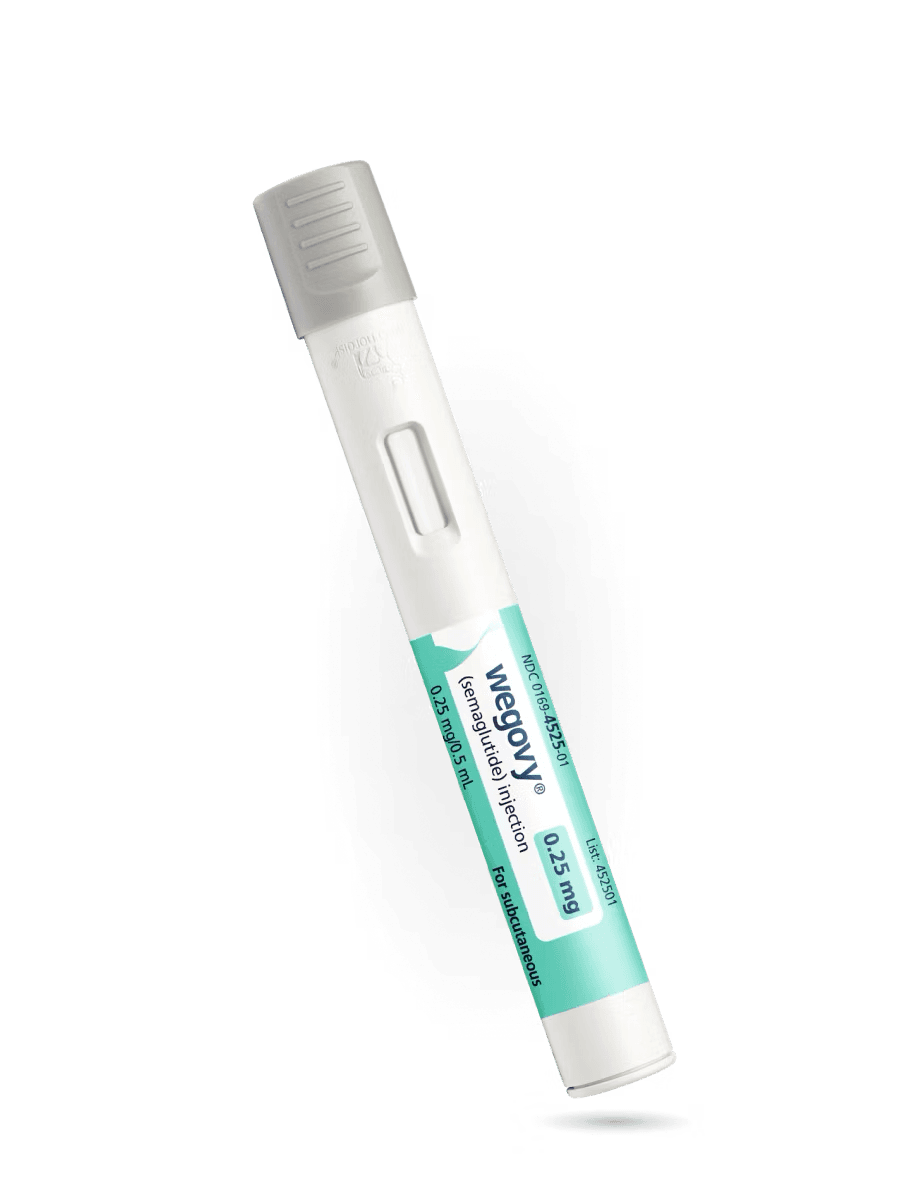
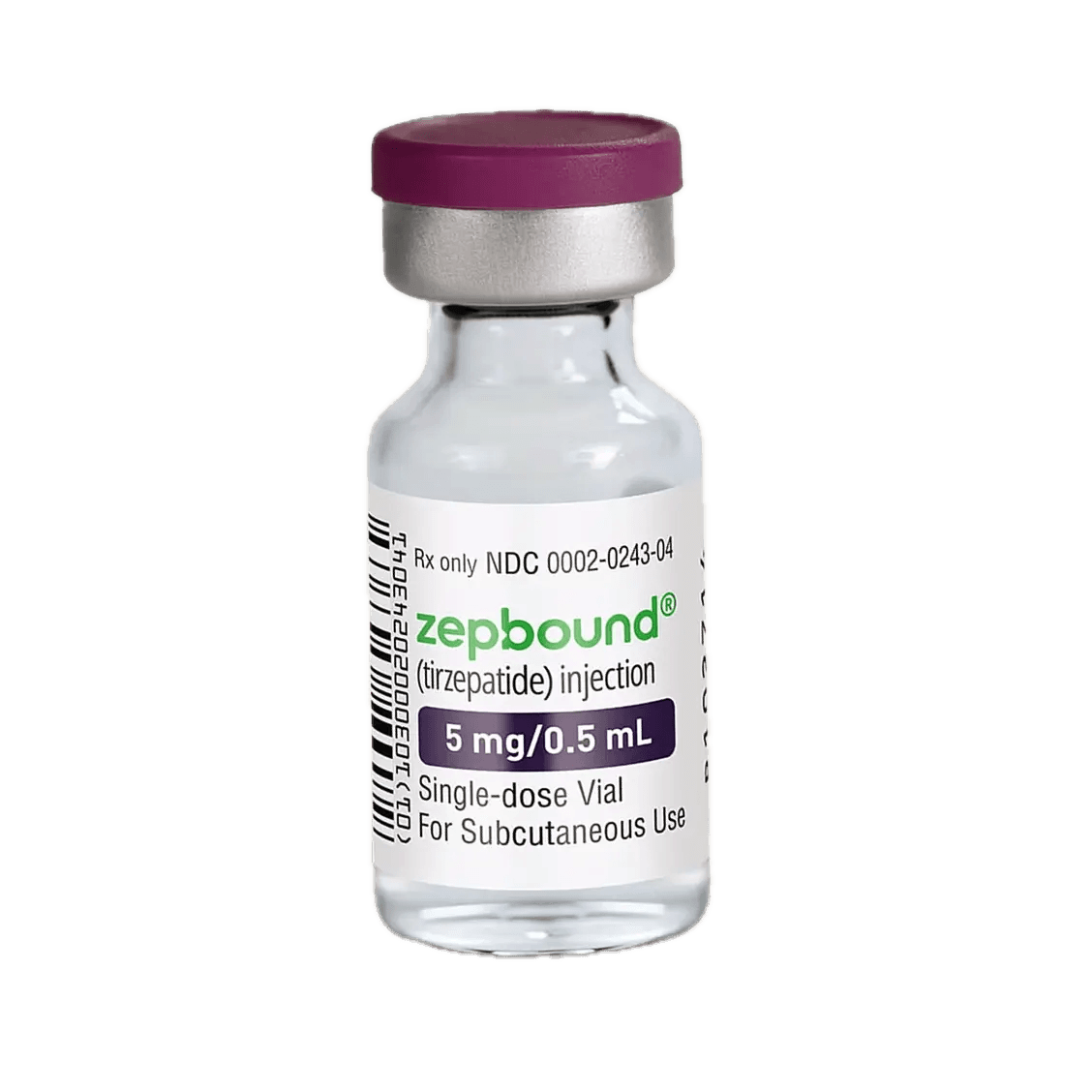
| FDA-approved weight-management medications | Products such as Wegovy, Zepbound, Saxenda, and other approved GLP-1 or related therapies where indicated | Treat as prescription medication pathways with eligibility, provider review, pharmacy access, and follow-up |
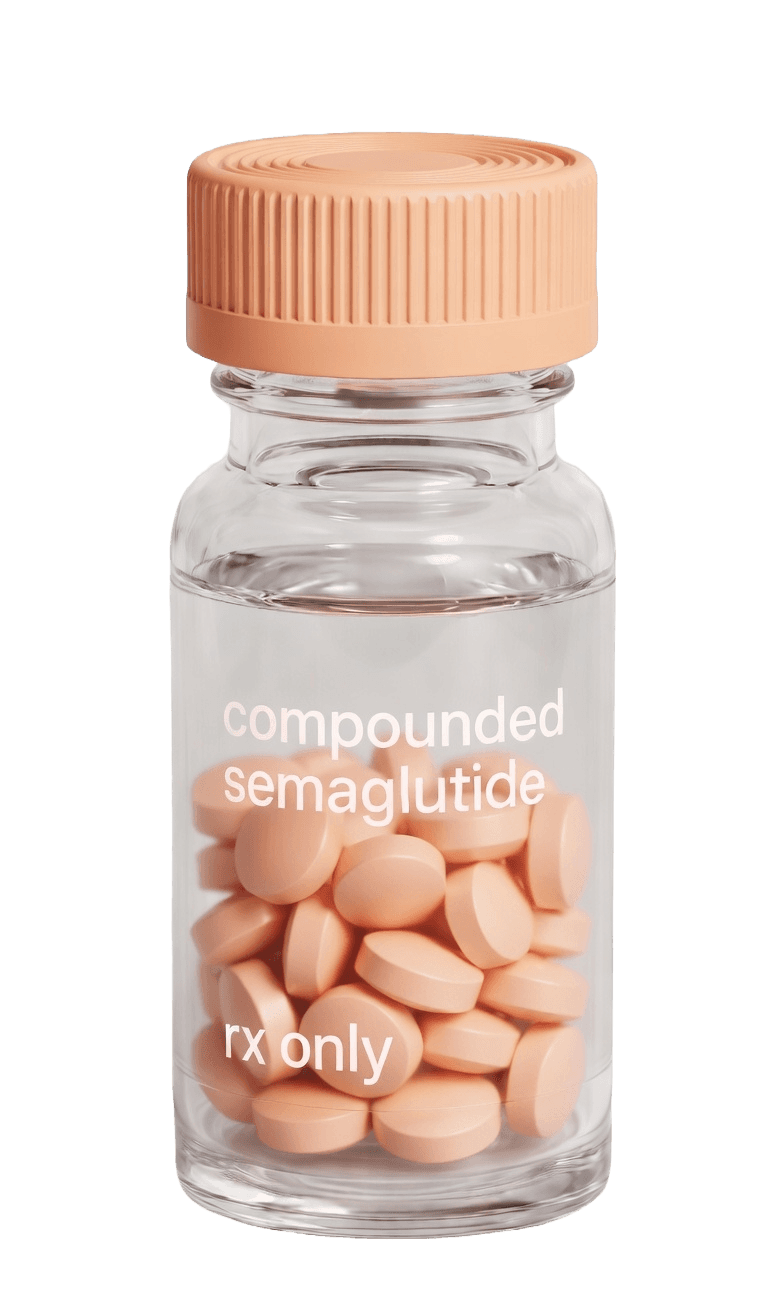
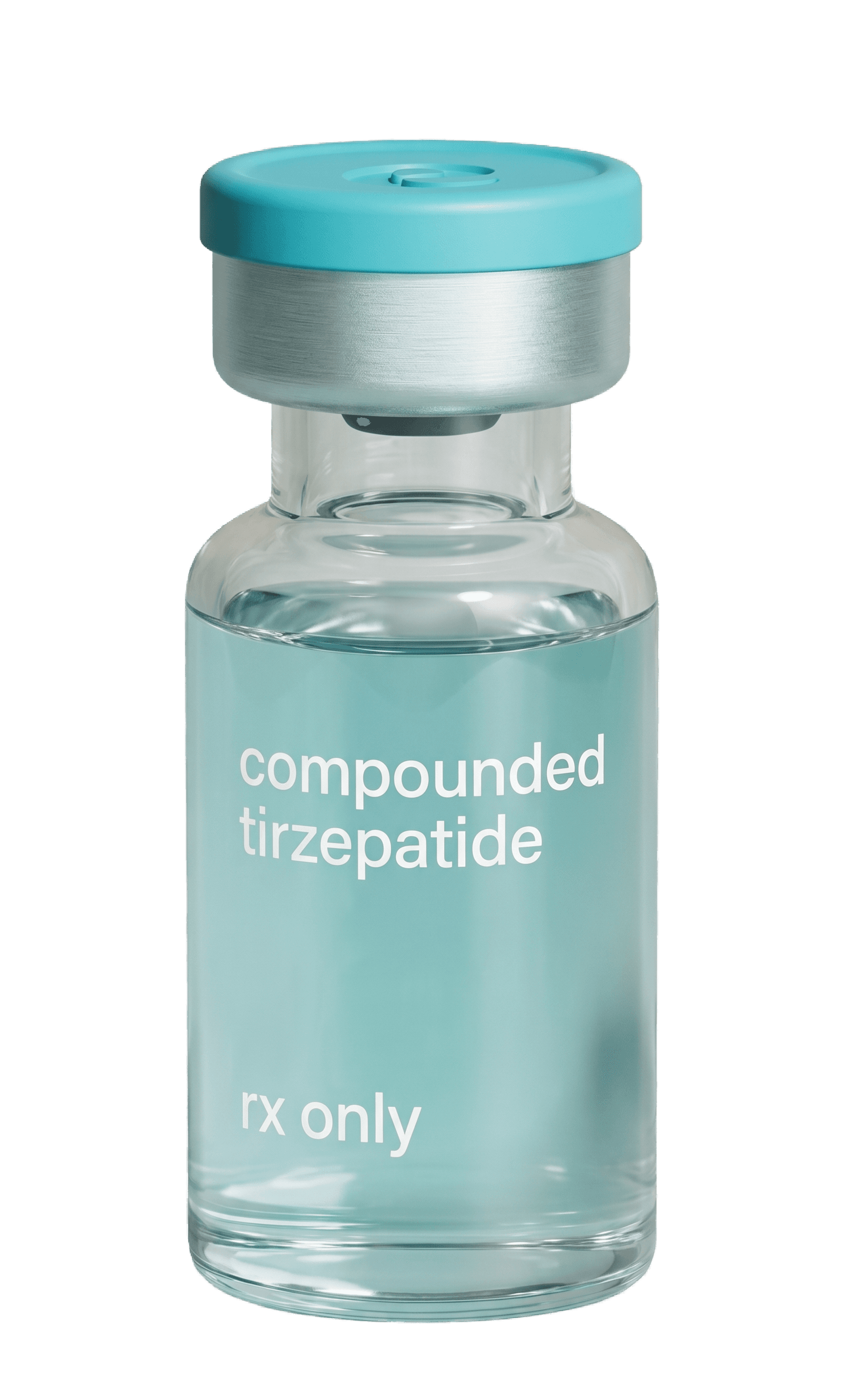
| Compounded GLP-1 products | Compounded semaglutide, tirzepatide, or related products where legally and clinically appropriate | Treat as higher-risk pharmacy workflows with strict claim, sourcing, dosing, and documentation controls |
| Non-approved or investigational peptides marketed for weight loss | Substances often promoted online as metabolic, fat-loss, or longevity peptides | Treat with caution; do not market as proven weight-loss treatments without adequate regulatory and clinical basis |
That distinction should shape intake, landing pages, provider review, billing, support, and patient education.
If the website says "weight-loss peptides" but the program actually means "provider-reviewed GLP-1 treatment where appropriate," the page should say that clearly.
If the program includes compounded medications, the copy should not imply that compounded products are FDA-approved, generic versions, or the same as branded products.
If the program is only watching the future peptide category, the site should not create the impression that unapproved substances are currently available as standard care.
Related reading: GLP-1 Product Trends in 2026: What Telehealth Teams Should Watch.
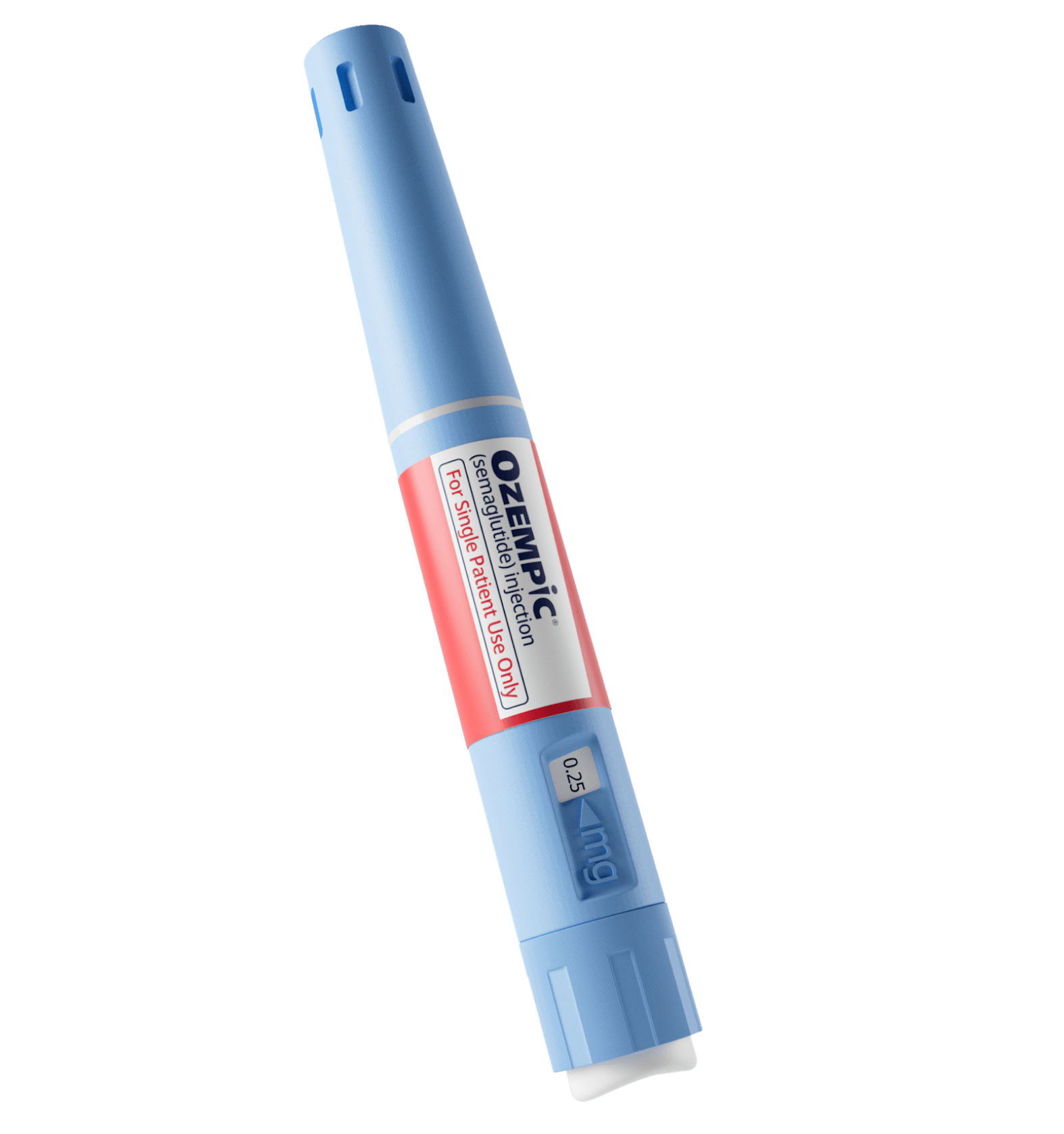
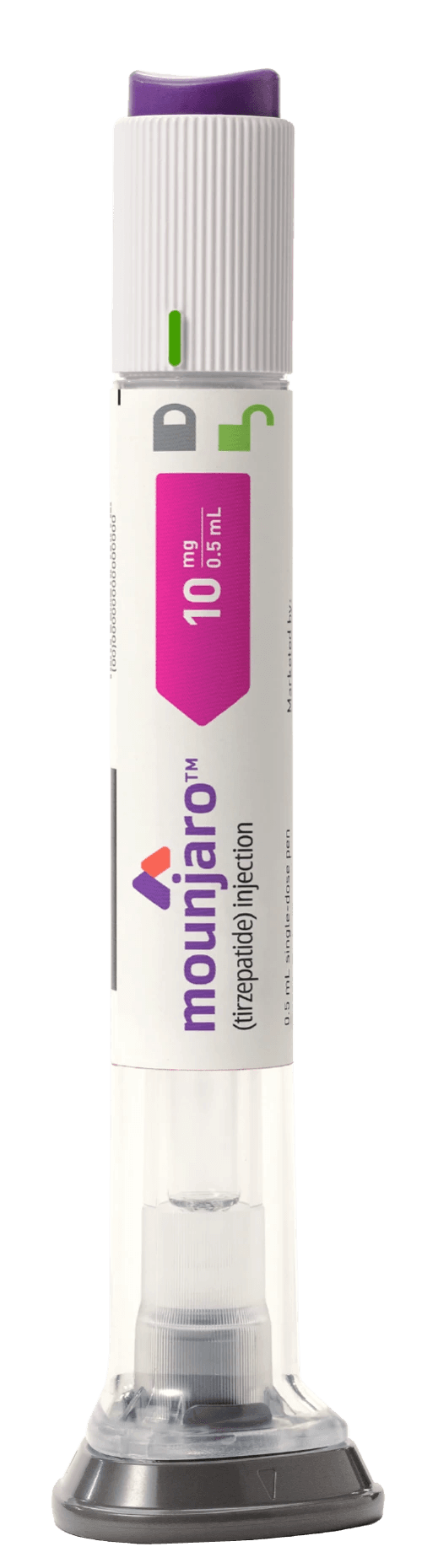
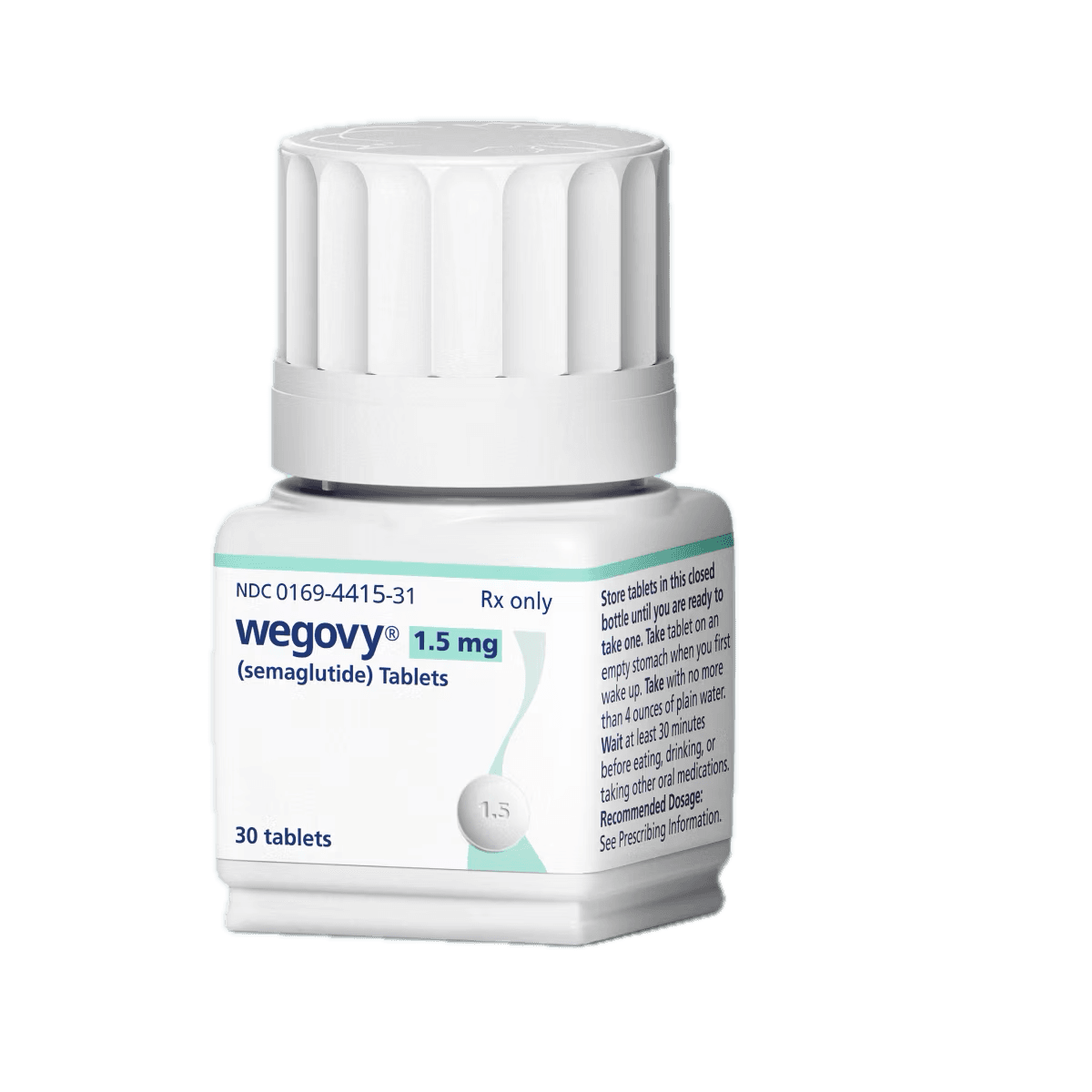
Example GLP-1 Treatments We Can Launch

Why the term is confusing for patients
GLP-1 medications are peptide-based drugs.
That is part of why the word "peptide" shows up in patient searches.
But consumer search behavior does not follow regulatory categories.
A patient may search "best peptide for weight loss" when they actually mean:
- "Can I get Wegovy online?"
- "Is tirzepatide stronger than semaglutide?"
- "Are compounded GLP-1s safe?"
- "What is the cheapest weight-loss injection?"
- "Can I use a peptide if GLP-1 side effects are hard?"
- "Are wellness-clinic peptides real weight-loss treatments?"
- "Can I combine peptides with a GLP-1?"
Those are very different questions.
A strong telehealth page should meet the search intent without collapsing the distinctions.
The content should explain that some prescription medications used for weight management act on incretin or related pathways, while many substances promoted online as "weight-loss peptides" are not approved weight-loss drugs and may not have reliable evidence, quality control, or legal availability.
That tone is better for trust.
It is also better for long-term SEO because it answers the real patient confusion instead of repeating risky market language.
FDA scrutiny is part of the category now
Weight-loss peptide content has to account for the current enforcement environment.
FDA has warned telehealth companies about false or misleading marketing of compounded GLP-1 products, including claims that imply sameness with FDA-approved drugs or obscure product sourcing. FDA has also reminded patients and providers that compounded drugs are not FDA-approved and are not the same as generic drugs.
For operators, the lesson is straightforward.
If a page talks about peptides, GLP-1s, compounded medications, or weight-loss injections, the copy needs to be precise.
Avoid:
- "generic semaglutide" if no FDA-approved generic exists
- "same as Wegovy" or "same as Zepbound"
- "FDA-approved compounded GLP-1"
- "research peptide" language on a patient acquisition page
- guaranteed weight-loss promises
- before-and-after claims without a rigorous review process
- claims that a non-approved peptide is a proven fat-loss treatment
- dosing language that encourages self-adjustment
FDA has also published concerns about compounded injectable semaglutide dosing errors, including confusion around vial measurement and variable packaging.
That means the risk is not only marketing.
It is also workflow design.
Helpful references include FDA's March 2026 warning on illegal marketing of compounded GLP-1s, FDA's overview of semaglutide products marketed for diabetes or weight loss, and FDA's alert on dosing errors with compounded injectable semaglutide.
What belongs in a weight-loss peptide intake
Do not build intake around the word "peptide."
Build it around clinical decision-making.
A weight-management intake should capture:
- patient location and eligibility state
- age
- height, weight, and BMI calculation where appropriate
- weight-related conditions
- current medications
- prior GLP-1 or weight-loss medication use
- medication tolerability history
- allergy history
- pregnancy or fertility-related considerations where relevant
- diabetes or glucose-related history
- pancreatitis, gallbladder, gastrointestinal, thyroid, and relevant endocrine history
- eating-disorder screening where appropriate
- previous bariatric surgery where relevant
- patient goals
- preferred medication format if multiple options exist
- pharmacy preference
- insurance or cash-pay preference
- consent and next-step expectations
The intake should also route edge cases.
Examples:
- patient may be a fit for standard provider review
- patient needs more information before review
- patient needs labs before a decision
- patient should not continue through the standard flow
- patient needs synchronous review
- patient needs in-person or specialty care
- patient is asking about non-standard dosing or unapproved peptides
The goal is not to make intake longer.
The goal is to make it structured enough that providers do not have to reconstruct the patient story from free text, support tickets, and payment notes.
Provider review should own the medication decision
A weight-loss peptide funnel should not feel like e-commerce.
The patient may arrive with a product in mind.
The provider still owns the clinical decision.
The provider review workflow should make it easy to document:
- why the patient is or is not a fit
- which treatment path is being considered
- whether approved medication options are available
- whether compounded medication is clinically appropriate and legally available
- whether the patient's needs can be met by an FDA-approved product
- what risks, warnings, and expectations were reviewed
- what follow-up is required
- what support should watch for after start
- what happens if the patient requests a switch, dose change, restart, or maintenance path
This matters especially when the patient asks for a "peptide" that is not part of the program.
Support should not handle that as a sales objection.
It should route to clinical review or approved education.
Related reading: Clinical Protocols for DTC Telehealth: What to Standardize Before Your First Patient.
Pharmacy quality is a product feature
For weight-loss medication programs, pharmacy is part of the patient experience.
For compounded products, pharmacy quality is also one of the largest operating risks.
Teams should be able to answer:
- who compounds or dispenses the medication
- whether the pharmacy is properly licensed for the states served
- how sourcing and certificates of analysis are handled when bulk substances are involved
- how sterile injectable workflows are controlled
- how labeling explains concentration, route, storage, and measurement
- how refill timing is handled
- how substitutions are handled
- how adverse-event questions are escalated
- how patients are instructed if they receive a vial, syringe, or pen-like product
- what support can and cannot say about measurement
FDA's compounding guidance emphasizes that bulk drug substances must meet specific legal conditions, and the agency urges compounders to know their bulk-substance suppliers.
For operators, that means pharmacy due diligence cannot be reduced to price and shipping speed.
Related reading: How to Choose a Compounding Pharmacy for Your Telehealth Program.
Billing should explain what the patient is paying for
Weight-loss programs often break when the billing promise does not match the care reality.
Before checkout, patients should understand:
- whether they are paying for provider review, medication, membership, or all of the above
- whether treatment is guaranteed or dependent on provider review
- whether medication is included
- whether labs are included
- whether shipping is included
- whether refills require clinical review
- what happens if they are not approved
- what happens if a pharmacy cannot fill
- what happens if a medication path changes
- when the next charge occurs
- how cancellation and refunds work
This is especially important when the page uses broad language like "peptides for weight loss."
The broader the acquisition language, the clearer checkout needs to be.
Related reading: The New Cash-Pay GLP-1 Funnel: How Patients Compare Price, Access, Pharmacy, and Support.
Patient education should reduce unsafe self-experimentation
Patients who search for weight-loss peptides often arrive with internet vocabulary.
They may ask about stacking, cycling, microdosing, reconstituting, restarting, or combining products.
That is where patient education matters.
A strong portal should give patients:
- the approved next step for their current care state
- clear medication-path education
- storage and handling instructions where applicable
- refill timing
- side-effect guidance
- when to contact the care team
- what support can answer
- when provider review is needed
- what not to change without provider guidance
Do not make patients search their inbox or social media for instructions.
The portal should become the calm source of truth after checkout.
Related reading: GLP-1 Microdosing in Telehealth: What Clinics Should Know Before Patients Ask.
What not to build yet
There is a temptation to create a broad "weight-loss peptide menu."
That can create more risk than upside.
Be careful with:
- listing investigational peptides beside FDA-approved medications as if they are equivalent
- using patient testimonials to imply outcomes for non-approved substances
- bundling multiple peptides without clear clinical rationale
- positioning peptides as a safer or more natural alternative to GLP-1s
- using supplement-style checkout for prescription products
- letting patients choose dose, cycle, or combination before provider review
- treating "research peptide" language as a compliance shield
If the program cannot explain the clinical basis, regulatory status, pharmacy path, patient-fit criteria, and follow-up workflow, it is not ready to be a DTC telehealth offer.
For the broader pipeline question, see Building a Peptide Therapy Program: A Practical Map of BPC-157, TB-500, MOTs-c, and the 2026 Pipeline.
A safer launch model
For most DTC telehealth teams, the safer path is staged.
Stage 1: Build a strong approved-medication weight-management program
Start with a clear GLP-1 or obesity-medication workflow where appropriate.
Standardize intake, provider review, billing, pharmacy visibility, refill logic, and side-effect routing.
Stage 2: Add education around the broader peptide conversation
Answer patient questions about the term "peptides" without turning unapproved or investigational substances into product claims.
This is content, support training, and provider-reviewed education.
Stage 3: Evaluate compounded pathways carefully
If compounded medications are part of the model, build pharmacy due diligence, patient education, dosing-safety checks, and marketing review before scaling acquisition.
Stage 4: Watch the peptide regulatory pipeline
Some regenerative or metabolic peptides may become more operationally relevant as FDA and compounding policy evolves.
But that is not the same as launching a consumer menu today.
Related reading: Regenerative Peptides in 2026: What Telehealth Teams Should Watch Before the July FDA Committee.
Metrics to watch
If patients are asking about peptides for weight loss, track the signal.
Useful metrics include:
- search traffic to peptide-related pages
- intake answers mentioning specific peptides
- support tickets about compounded products
- questions about branded versus compounded GLP-1s
- questions about microdosing or dose changes
- provider-review escalations tied to non-standard requests
- pharmacy exception rate
- refill confusion rate
- medication-error or dosing-clarification tickets
- refund requests tied to access expectations
- conversion rate by medication-path clarity
- retention by approved medication path versus cash-pay path
The point is not to chase every trend.
The point is to understand what patients think the trend means and where your workflow needs more clarity.
Final takeaways
"Peptides for weight loss" is a real search trend, but it is not a clean clinical category.
For DTC telehealth teams, the winning posture is:
- meet the search intent
- explain the category clearly
- distinguish approved medications from compounded and investigational products
- avoid unsupported claims
- make provider review central
- build intake around clinical routing
- treat pharmacy quality as part of the product
- make billing and refunds clear
- use the patient portal to reduce unsafe self-experimentation
- watch the regulatory pipeline without marketing ahead of it
Patients are asking about peptides because they want access, affordability, personalization, and results.
The best telehealth programs will answer that demand with a real care model, not a loosely labeled product catalog.