The cohort that was waiting for a pill
Ask any operator who reviewed intake data over the past year and they will tell you about the ghosts: people who started the eligibility quiz, hit the first mention of injections, and vanished. Needle aversion never showed up in your churn reports because those patients never enrolled. They were invisible, and there were a lot of them.
The orals made them visible. Two GLP-1 pills are on the market, weekly prescription trackers show both ramping, and one of them, approved without food or water restrictions, is being asked for by name in first visits. Surveys have long suggested a large minority of interested patients preferred to wait for a pill; that wait ended, and the cohort is arriving.
Here is the thing your funnel needs to internalize: these are not injectable leads with a different medication preference. They behave differently end to end. They enter earlier in their decision, they research longer, they compare the two pills explicitly, and they convert on education rather than urgency.
The clinical program design for orals is covered in The Pill-First Weight Program. This post is about the funnel that fills it.
Who they are
| Trait | Funnel implication |
|---|---|
| Needle-averse, sometimes privately | Never lead with injection imagery; pill-forward creative opens the door |
| Earlier-stage deciders | They are asking "is this for me," not "which program is cheapest" |
| Brand-aware | They arrive knowing both pill names; generic "GLP-1 program" copy undershoots |
| Comparison-minded | They will read a pills-compared page top to bottom; nobody else will |
| Convenience-motivated | Travel, privacy, routine simplicity are their language, not transformation arcs |
| Longer consideration | Days to weeks between first touch and enrollment, not minutes |
That last row is the one that breaks standard DTC funnels. The classic GLP-1 funnel is built for a hot lead: quiz, checkout, done in twenty minutes. Point that machine at a pill-curious researcher and it converts single digits of what it could, because it demands commitment at the moment the patient wants information.
The comparison moment is the trust moment
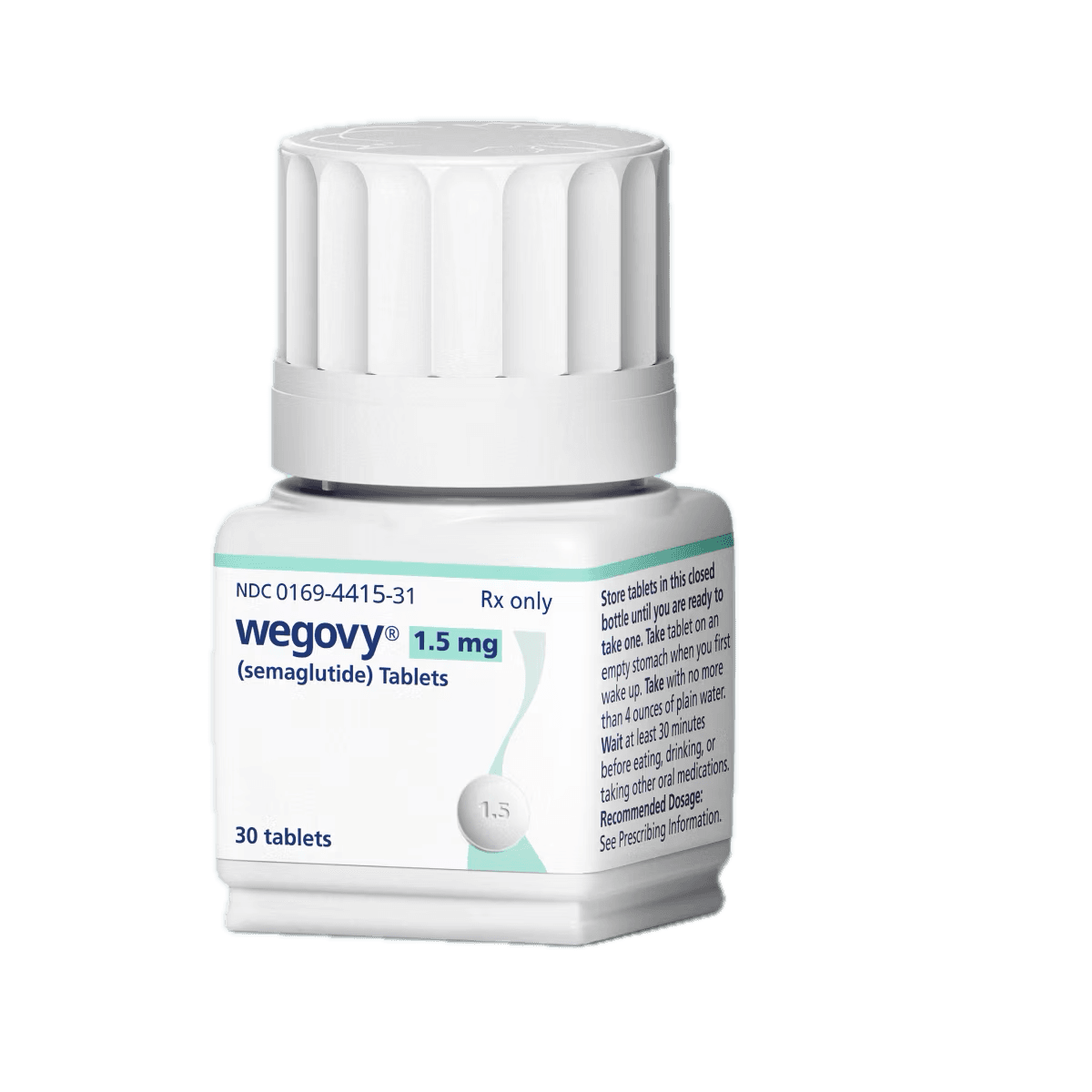
Every pill-curious patient reaches the same fork: two oral options, meaningfully different in their daily reality. One requires an empty stomach, a small amount of water, and a waiting period before food. The other was approved without those restrictions. Different molecules, different titration ladders, different personalities.
Most brands handle this fork badly in one of two ways: they ignore the comparison entirely and hope the provider sorts it out, or they quietly favor whichever product their supply chain prefers. Both approaches leak trust with a cohort that has already read three comparison articles before finding you.
The winning move is the honest comparison, published and thorough: how the dosing rules differ, what mornings look like on each, who tends to do better with which, and, crucially, that the final call is a clinical conversation with a provider who knows their history. Done well, that page becomes three things at once: your highest-converting educational asset, your most-cited page in AI answers, because comparison queries dominate this category and answer engines reward structured, even-handed treatments, and a filter that sends you patients pre-aligned with clinical reality.
The GEO mechanics behind that are in Generative Engine Optimization for Telehealth; comparison content is their purest application.
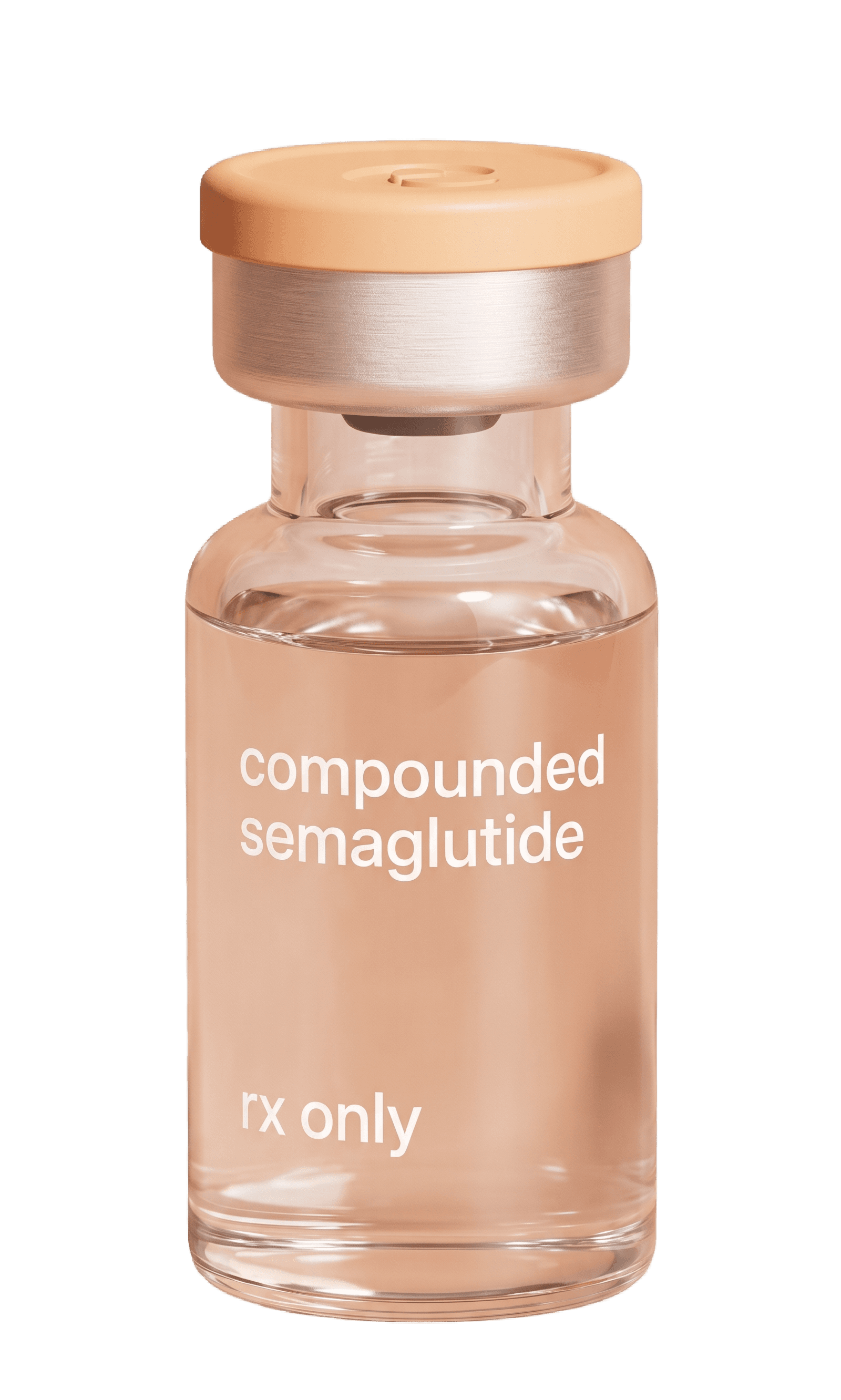
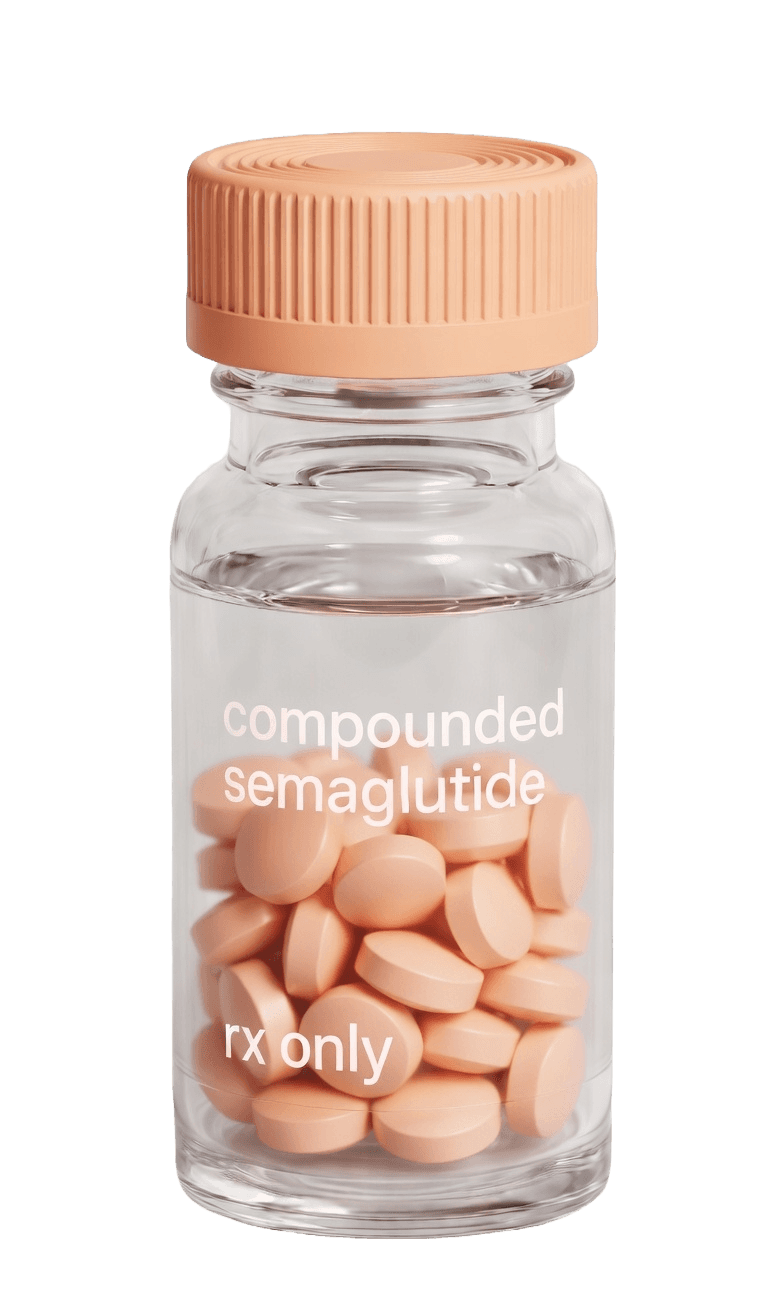
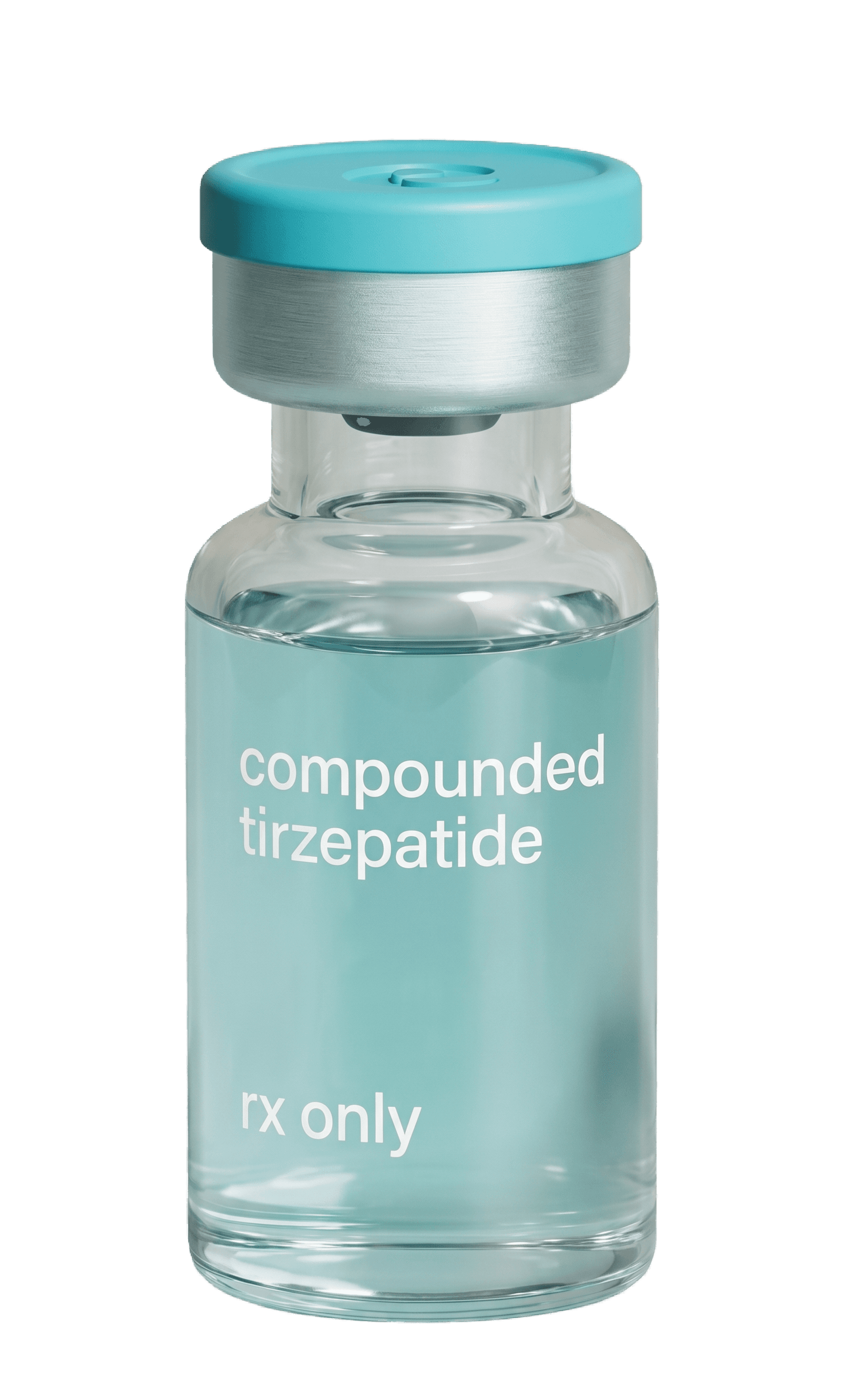
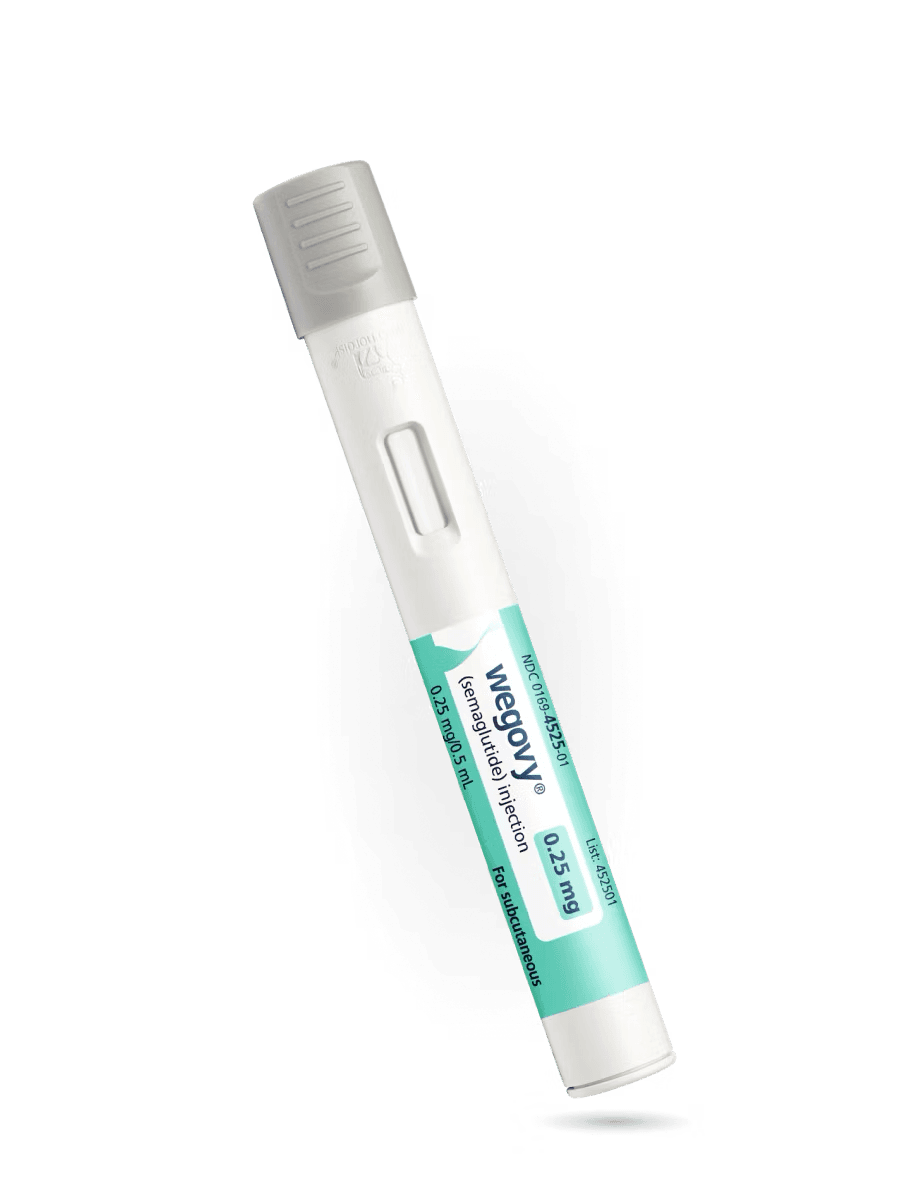
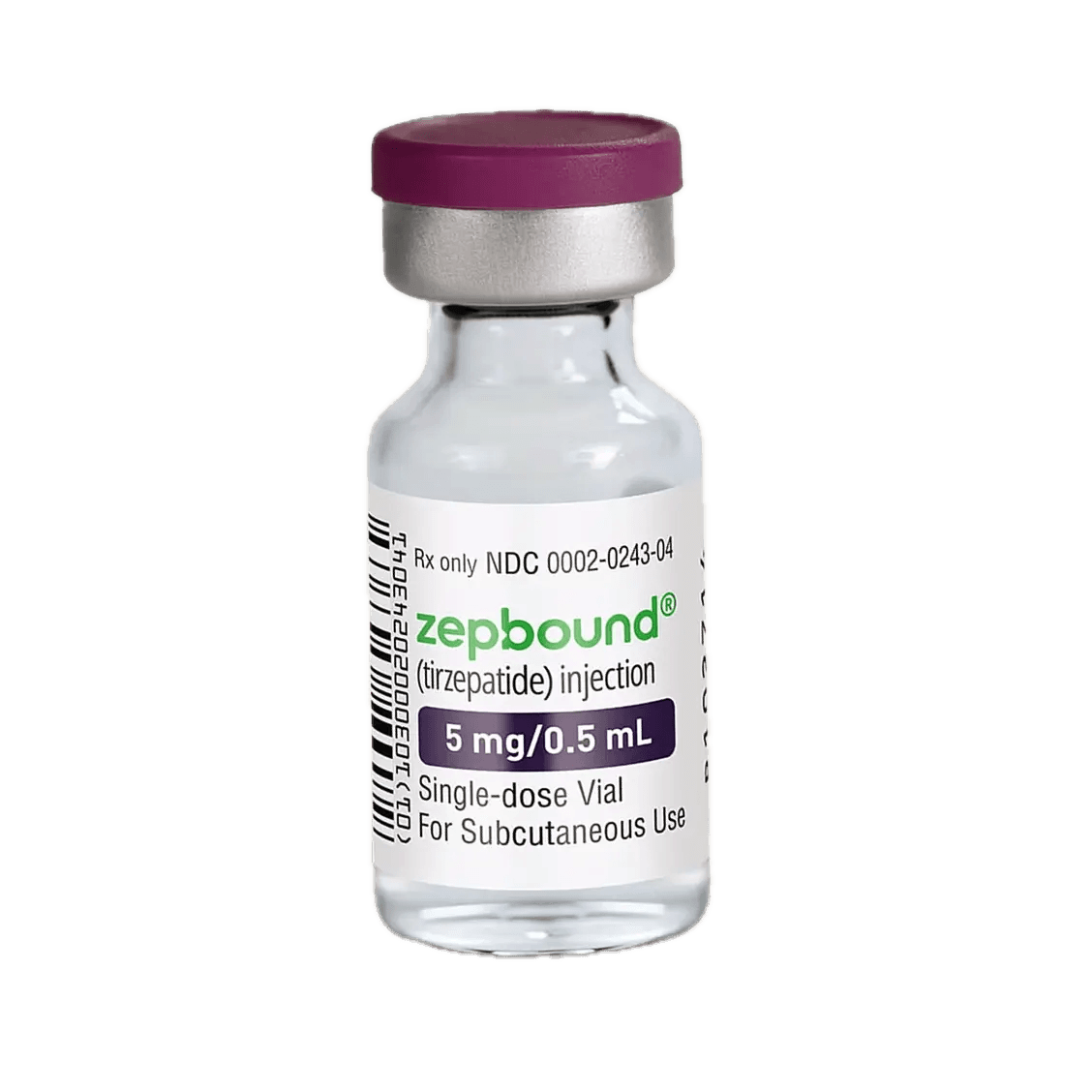
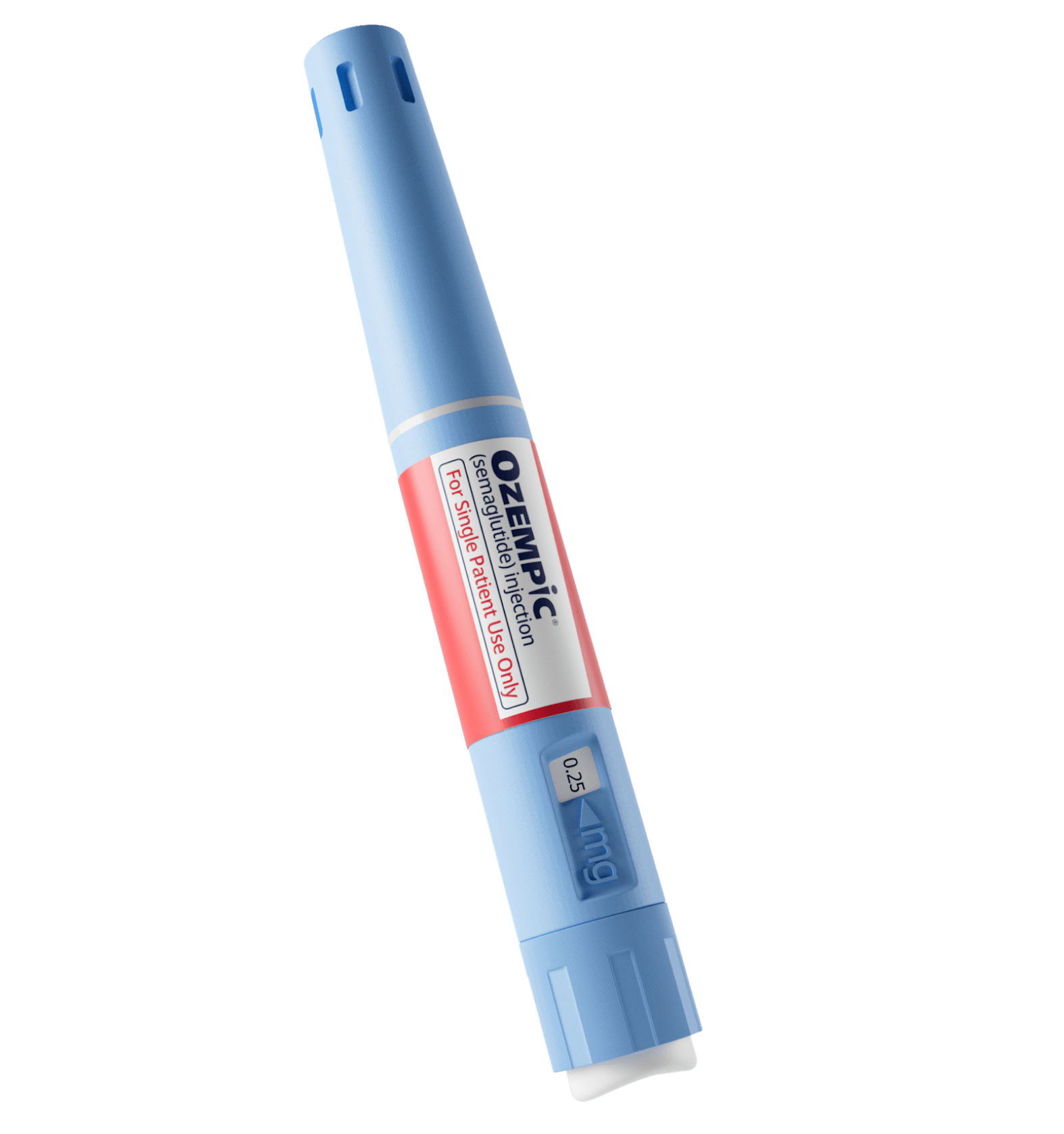
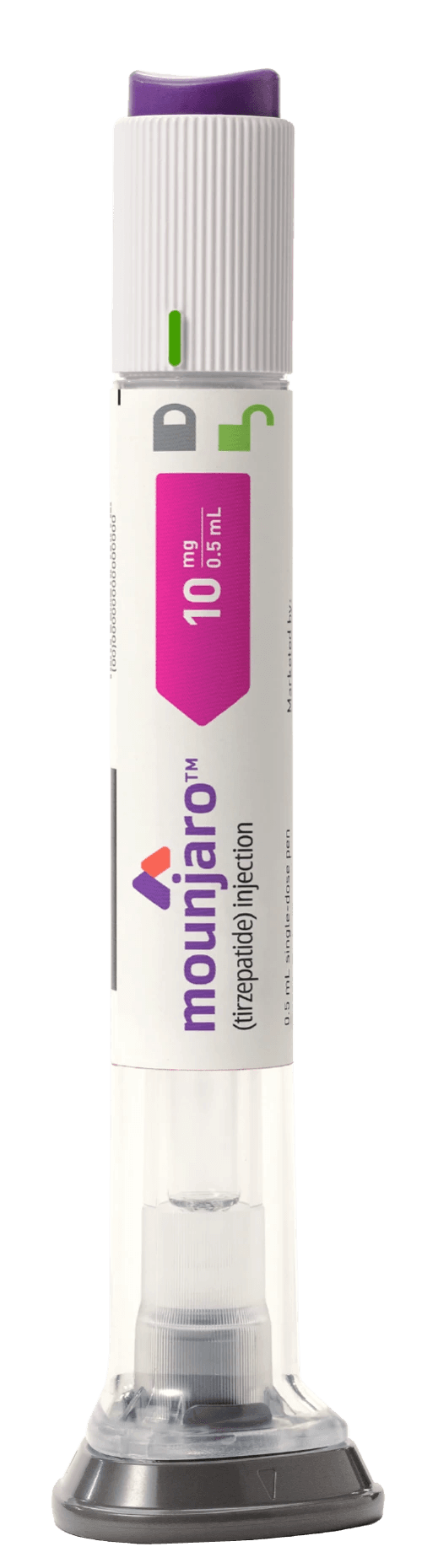
Example GLP-1 Treatments We Can Launch
Funnel architecture for a longer arc
The pill-curious funnel keeps your fast lane for the ready, and adds a patient lane for the researching. Three moves:
Capture without commitment
The researcher will not finish a medical intake today, but they will trade an email for something useful: the comparison guide, a "which pill fits your routine" self-check, a plain-language explainer on how oral programs work. Light-capture assets like these are conversion machinery for this cohort, and they feed the nurture arc instead of the trash folder. Interactive self-checks work particularly hard here, doing double duty as education and as qualification signal.
Educate on their clock
The nurture sequence for a pill-curious lead is not five discount reminders. It is a short course: how the pills work, what the first month feels like, the routine-fit question, what a provider consult actually covers. Sequenced over one to three weeks, tone calm, urgency absent. The brands that respect the consideration arc report the counterintuitive result: longer nurture, higher eventual conversion, better month-two retention, because the patient arrives decided rather than impulsive.
The lifecycle infrastructure this runs on, owned channels, funnel-state triggers, consent discipline, is the machinery from Your Funnel Shouldn't Live in an Ad Account.
Convert on readiness signals
Somewhere in the arc, the researcher becomes ready: they open the pricing email twice, they return to the comparison page, they click "talk to a provider." Those signals should trigger the warm path, a low-pressure invitation into intake with their education acknowledged, not a generic checkout push. Intake itself should remember what they told the self-check; asking the needle question again to a patient who arrived through the pill funnel is a small insult with measurable drop-off attached.
The intake mechanics, branching, mobile patterns, trust placement, are the ones in Mobile-First GLP-1 Intake Design and Trust Signals Inside the GLP-1 Intake.
The economics: slower in, longer stay
Early operator experience with oral cohorts suggests a trade worth taking: acquisition runs slower and cheaper per lead, education-forward creative clears ad review more easily and fatigues slower than transformation creative, and the patients who convert through the research arc retain noticeably better than impulse enrollees.
The retention story continues past enrollment. Daily-pill patients generate daily touchpoints, and the switch conversations, oral to injectable at plateau, injectable to oral at fatigue, keep the relationship inside your program rather than sending it to a competitor. A funnel that captures the pill-curious therefore feeds the whole modality-flexible program, which is where the compounding happens.
For the ad-creative layer that pairs with this funnel, see GLP-1 Telehealth Advertising in 2026.
FAQ
What is a pill-curious patient in weight management? Someone interested in GLP-1 treatment who avoided injectable programs, often due to needle aversion or routine concerns, and entered the market only when daily oral GLP-1s became available. They typically arrive earlier in their decision, research longer, and compare the two available pills explicitly.
How do the two oral GLP-1s differ for patients? They are different molecules with different dosing rules: one must be taken on an empty stomach with a waiting period before food, while the other was approved without food and water restrictions. Fit depends on routine, history, and clinical factors, which is why honest comparison content plus a provider conversation converts best.
How should a telehealth funnel change for oral GLP-1 patients? Add a research lane: light-capture educational assets instead of immediate intake, a nurture sequence paced over one to three weeks, and conversion triggered by readiness signals. The classic quiz-to-checkout fast lane stays for patients who arrive decided.
Does education-forward marketing work for GLP-1 acquisition? For the pill-curious cohort it outperforms urgency tactics: comparison and explainer content converts researchers at higher eventual rates, clears health-ad review more smoothly, and produces patients with stronger month-two retention.
Why does comparison content matter for AI search visibility? Pill-versus-pill queries dominate this category in answer engines, and structured, even-handed comparison pages are what those engines cite. A thorough comparison page earns citations that funnel pre-educated patients for months.
The patient who was never in your funnel
The most interesting thing about the pill-curious cohort is that they represent found demand: people the category simply could not serve two years ago. No competitor owns them yet. The funnel that respects how they decide, captures them lightly, educates them honestly, and converts them when they are ready, gets to build the default relationship with a cohort that is still choosing its defaults.
Build the patient lane. The researchers are already searching.