Six months, five catalysts, one planning session
A Q4 2026 operator calendar, covering the 503B order, the DEA rule, CagriSema, promo expiries, and open enrollment, follows on September 24.
Somewhere in the second half of 2026, most of the following will happen: the FDA finalizes its order on large-scale compounded GLP-1s, an advisory committee shapes the future of peptide compounding, a new dual-agonist likely gets an approval decision, the strongest weight-loss molecule ever tested heads toward filing, and every employer in America rewrites its benefits for 2027.
Each of those events moves patients. Not abstractly. Each one produces a measurable wave of searching, comparing, and enrolling, usually starting a few days before the news and running for weeks after.
We watched operators handle three of these waves in the first half of the year. The pattern was consistent: the brands that had already built for the moment absorbed the demand, and the brands that started building when the news broke caught the tail end. So this post is the one planning session that covers the rest of the year. Print it, argue with it, put dates on your roadmap.
For the wider industry picture behind this calendar, see The State of DTC Telehealth in 2026: An Operator's Field Report.
Updated September 22, 2026: corrected the 503B comment deadline (comments closed July 30 after an extension; no final order as of September 22), added the Fifth Circuit's August 27 decisions, moved the retatrutide filing to Q1 2027 per Lilly's July 23 guidance, and marked the peptide meeting and Q2 earnings as done.
The Real 2026 Peptide Timeline
Removal from Category 2 is the first gate, not the last. The path from April 2026 to a legally compoundable peptide runs through the PCAC meeting, an FDA determination, and 503A Bulks List inclusion.
- 1April 22, 2026Complete
Removed from Category 2
BPC-157, TB-500, KPV, MOTs-c, Semax, Epitalon, and DSIP exit the FDA's significant-safety-concerns list. Compounding still not authorized.
- 2July 9, 2026Upcoming
Public comment deadline
Final day to submit comments to docket FDA-2025-N-6895. Comments after this date are not presented to the committee.
- 3July 23-24, 2026Upcoming
PCAC meeting at White Oak
Pharmacy Compounding Advisory Committee reviews and votes on adding peptides to the 503A Bulks List. Day 1 covers BPC-157, KPV, TB-500, MOTs-c. Day 2 covers DSIP, Semax, Epitalon.
- 4Post-meetingPending FDA
FDA determination
FDA reviews the PCAC recommendations and publishes a determination, typically through a notice or proposed rule. Usually months, not days.
- 5503A Bulks ListPending FDA
Compounding becomes legal
Once a peptide is formally included, licensed 503A pharmacies may compound for individual patients with a valid prescription, subject to the rest of the framework.
The calendar
| When | What happens | Confidence |
|---|---|---|
| Any week now | FDA final order on the 503B bulks list for semaglutide and tirzepatide | Proposed April 30; comments closed July 30 after an extension; no final order as of September 22 |
| July 23 to 24 (held) | FDA advisory committee reviews seven peptides for the 503A list | Done; no updated bulks list as of September 22 |
| Late July to mid-August (done) | Public telehealth and digital health companies report Q2 | Reported; Hims $753.2M, up 38 percent, at a 64 percent gross margin |
| August 27 (done) | Fifth Circuit affirms FDA in the tirzepatide (No. 25-10600) and semaglutide (No. 25-10758) shortage cases | Decided |
| Around Q4 | CagriSema approval decision expected | Filing confirmed; exact date not public |
| Q1 2027 | Retatrutide BLA expected on trial results near 30% weight loss | Lilly moved it from Q4 2026 on July 23, 2026 |
| September to November | Employer open enrollment for 2027 plans | Annual, certain |
| December 31 | DEA telehealth prescribing flexibilities expire unless extended or replaced | Special Registration final rule at OIRA since August 25; publication forecast for November |
Two honest caveats. The 503B final order has no announced date, which means it lands on someone's Tuesday without warning. And the CagriSema decision window is inferred from the filing date, not a published deadline. Build to be ready early rather than exactly on time.
What each date means, and the build-ahead move
The 503B final order: the branded era gets its official start date
When the order publishes, coverage will be everywhere, and patients on compounded GLP-1s will ask their programs one question: what happens to me?
Where it stands on September 22: FDA published the proposal on April 30, 2026, extended the comment period, and closed comments on July 30. No final order has appeared. On August 27 the Fifth Circuit affirmed FDA in both shortage-list cases (No. 25-10600, tirzepatide; No. 25-10758, semaglutide), which closes the litigation route to keeping compounded volume; the final order is the last formal step, and the first three days after it are planned in our 503B final order playbook.
The operators who win that week already have a transition story. Branded supply wired through their pharmacy partners. A patient communication sequence that explains the change without panic. Pricing pages that make sense in a branded world.
If your program still leans on compounded volume, the build-ahead is a working branded fulfillment path and a tested migration flow. We covered the architecture in Pharmacy Routing Architecture for Telehealth: Failover, Split Fulfillment, and Branded Rails and the strategy in The Branded GLP-1 Era.
July 23 to 24: the peptide committee
The committee reviews BPC-157, KPV, TB-500, MOTS-c, DSIP, Semax, and Epitalon for compounding eligibility. Nothing becomes legal or illegal that week; committee votes feed a longer rulemaking process. But search interest in peptide programs will spike, and the operators with credible, compliant peptide content will collect that attention.
Build-ahead: educational content that explains what the committee does and does not decide, and a program architecture ready to move when rulemaking eventually lands. Our watchlist post covers the setup: Regenerative Peptides in 2026.
Q2 earnings: free market intelligence
Public companies will disclose subscriber growth, retention curves, and channel economics over a three-week window starting in late July. It is the only time of year you get audited numbers from companies running the same playbook you are.
Build-ahead: a listening plan. Know which metrics matter for your model and capture them while the transcripts are fresh.
CagriSema and retatrutide: the outcome bar moves again
An approved dual-agonist raises average expected weight loss; Novo still expects the CagriSema decision in Q4 2026. The triple-agonist moved: Lilly said on July 23, 2026 that the retatrutide BLA now lands in Q1 2027, so the reset of what "great outcome" means in every patient's head slips into next year. Neither requires you to sell the new drugs on day one. Both require your educational content, your intake conversations, and your program positioning to stay current.
Build-ahead: an update rhythm for your treatment education pages, and a program design that can absorb a new molecule without a replatform. More in Next-Generation GLP-1s in 2026.
Open enrollment: the demand season hiding in plain sight
Employers are actively rebalancing GLP-1 coverage for 2027, and a meaningful share are pointing employees toward DTC channels and HSA dollars instead. Every October, millions of people learn what their plan will and will not cover next year, and a lot of them go looking for alternatives that same week.
Build-ahead: HSA-friendly billing, eligibility-aware intake, and content that answers "my plan dropped coverage, now what" before November. We wrote the channel playbook in The Employer and HSA Channel.
Running the calendar without a research team
A calendar like this decays fast. Three habits keep it alive at a two-person company:
Assign each date an owner and a trigger. Not a committee. One person who knows that when the 503B order publishes, they ship the prepared patient email within 24 hours.
Pre-write the day-of content. The announcement-day blog post, the patient FAQ, the social copy. Eighty percent can be written now with a blank for the outcome. AI answer engines reward fast, structured, dated coverage of news events, and the brands that publish within hours get cited for months. That pattern is documented in Generative Engine Optimization for Telehealth.
Review the calendar monthly. Ten minutes at the ops review: did any date move, did any new date appear, is each build-ahead on track. We keep ours next to the metrics dashboard described in The Weekly Telehealth Ops Dashboard.
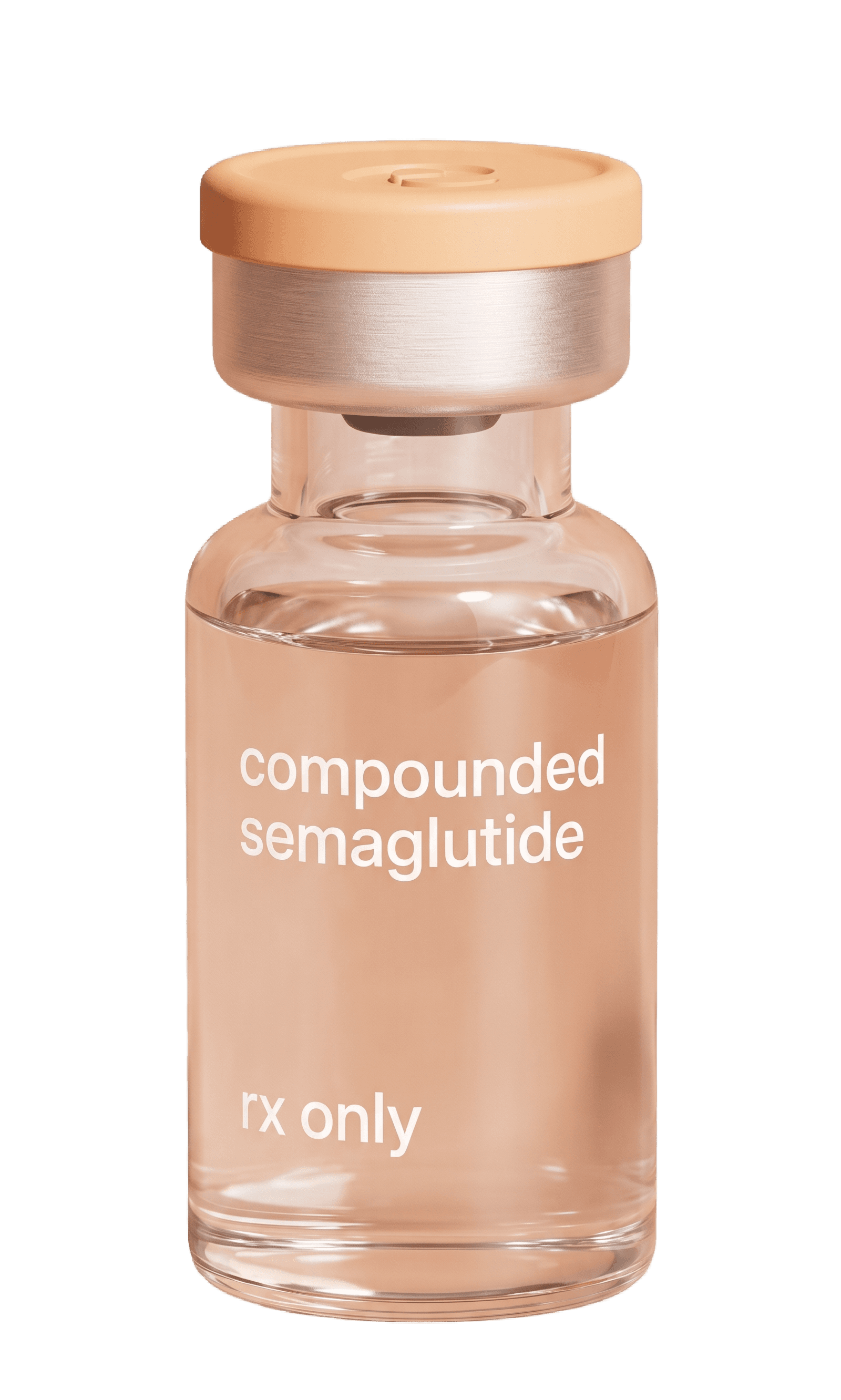
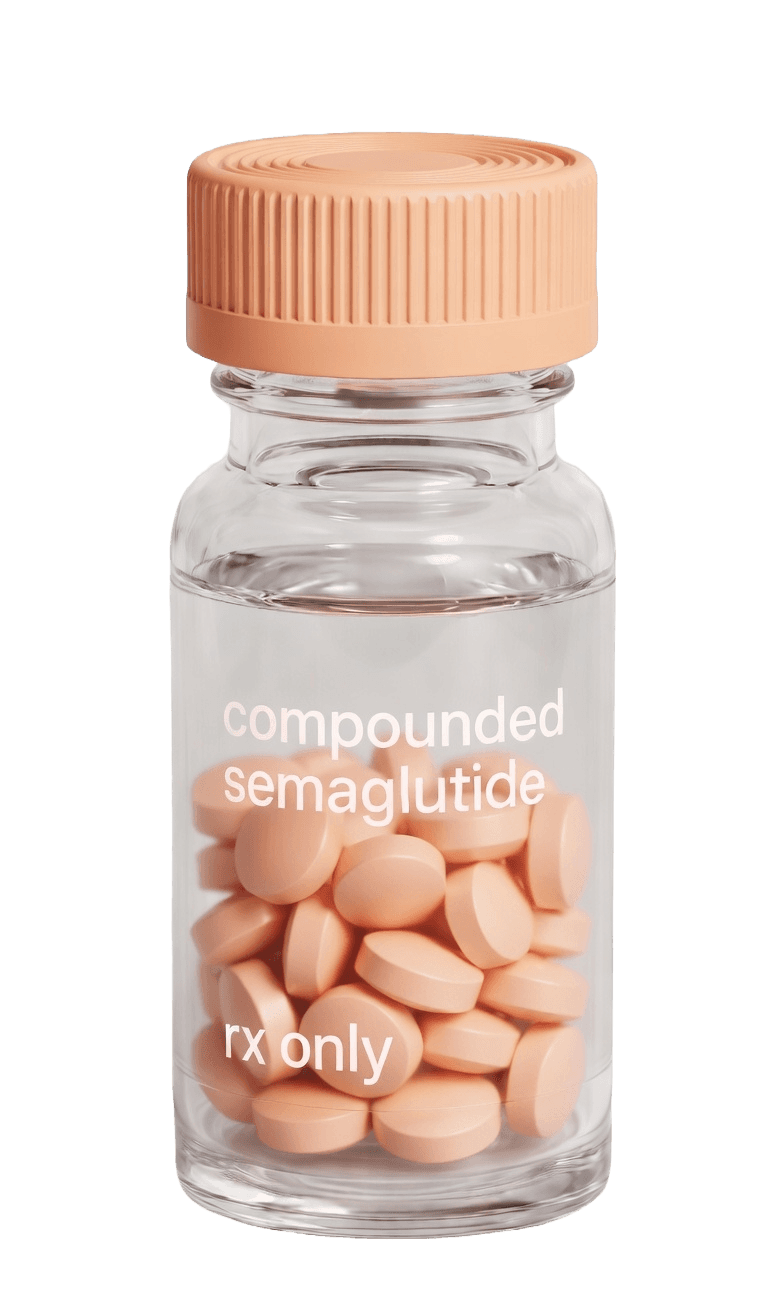
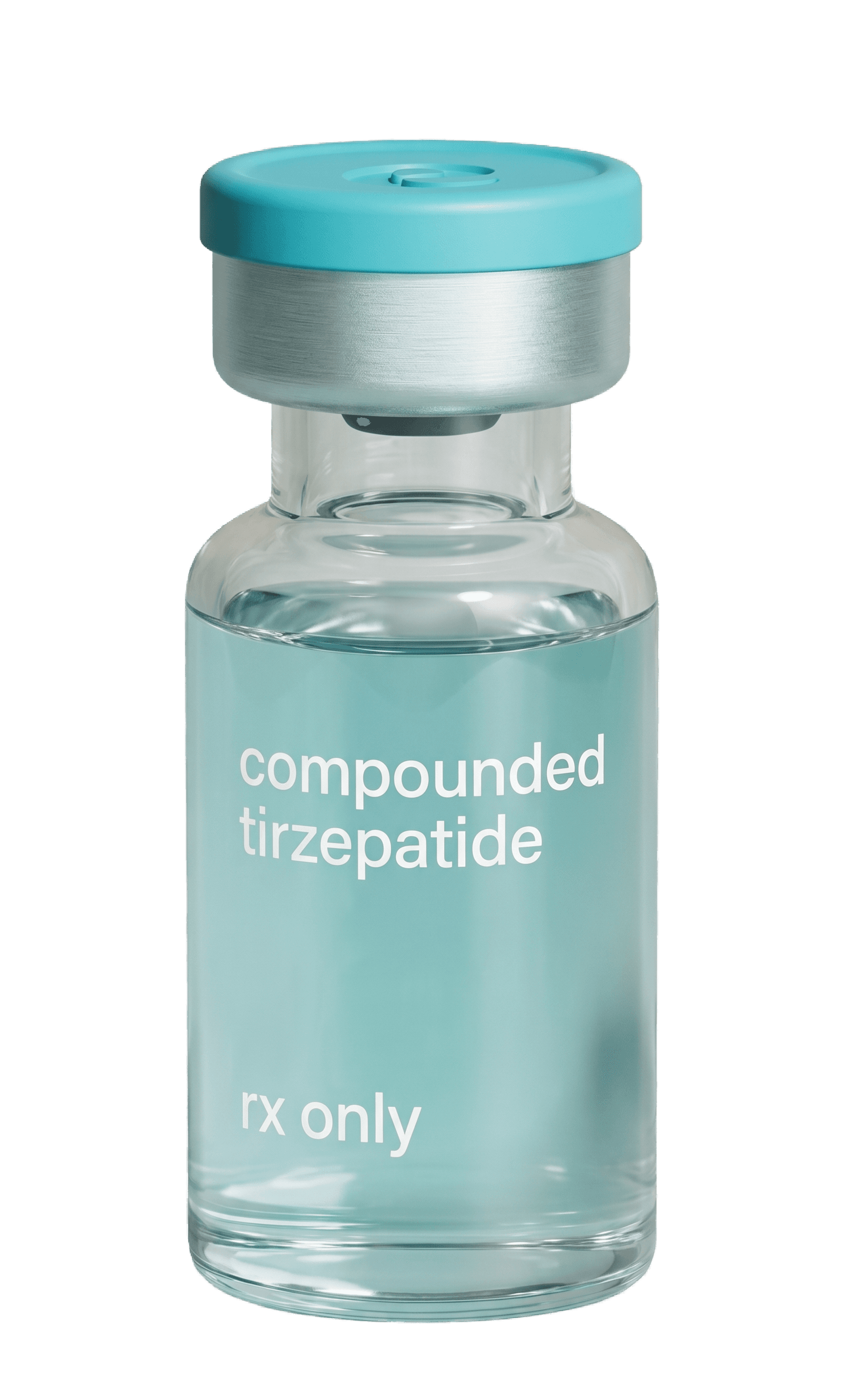
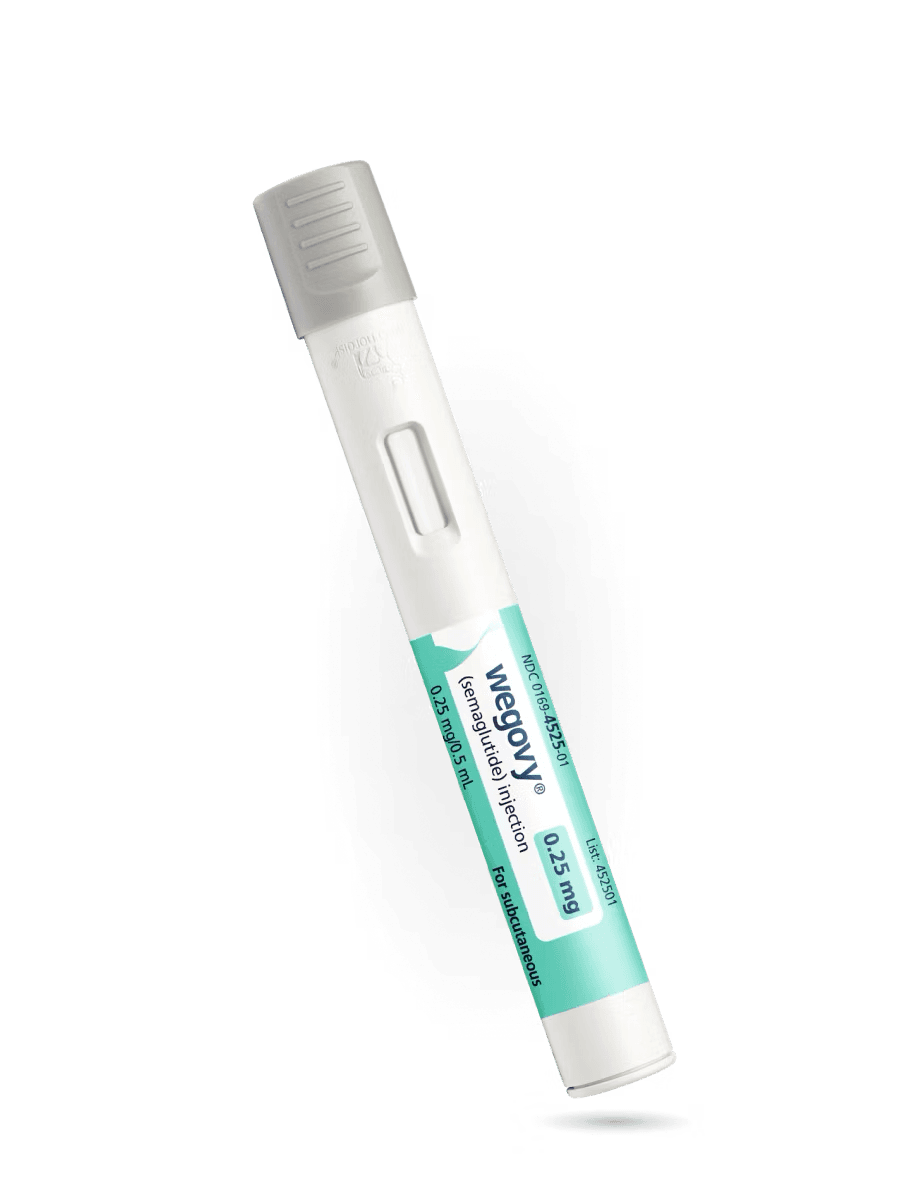
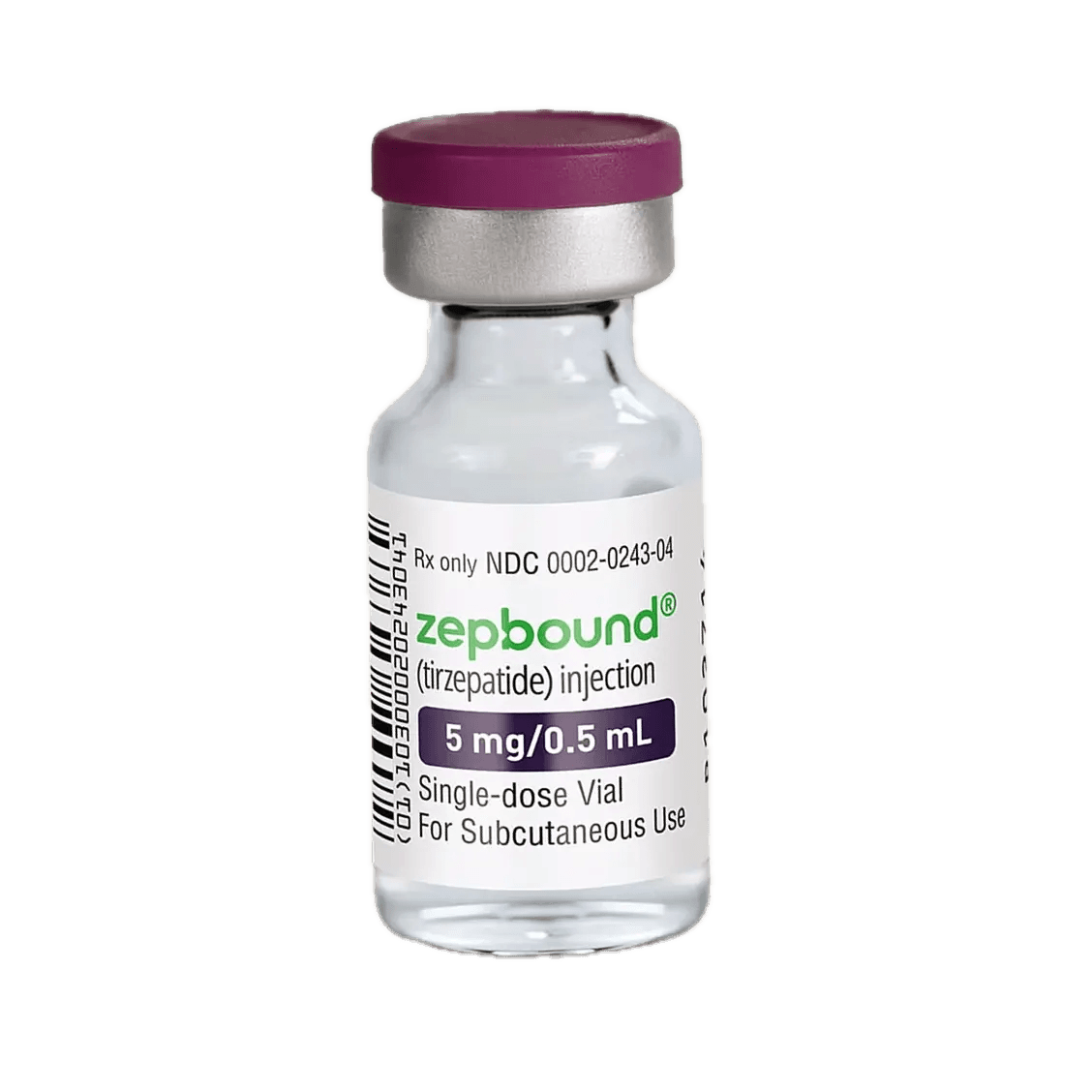
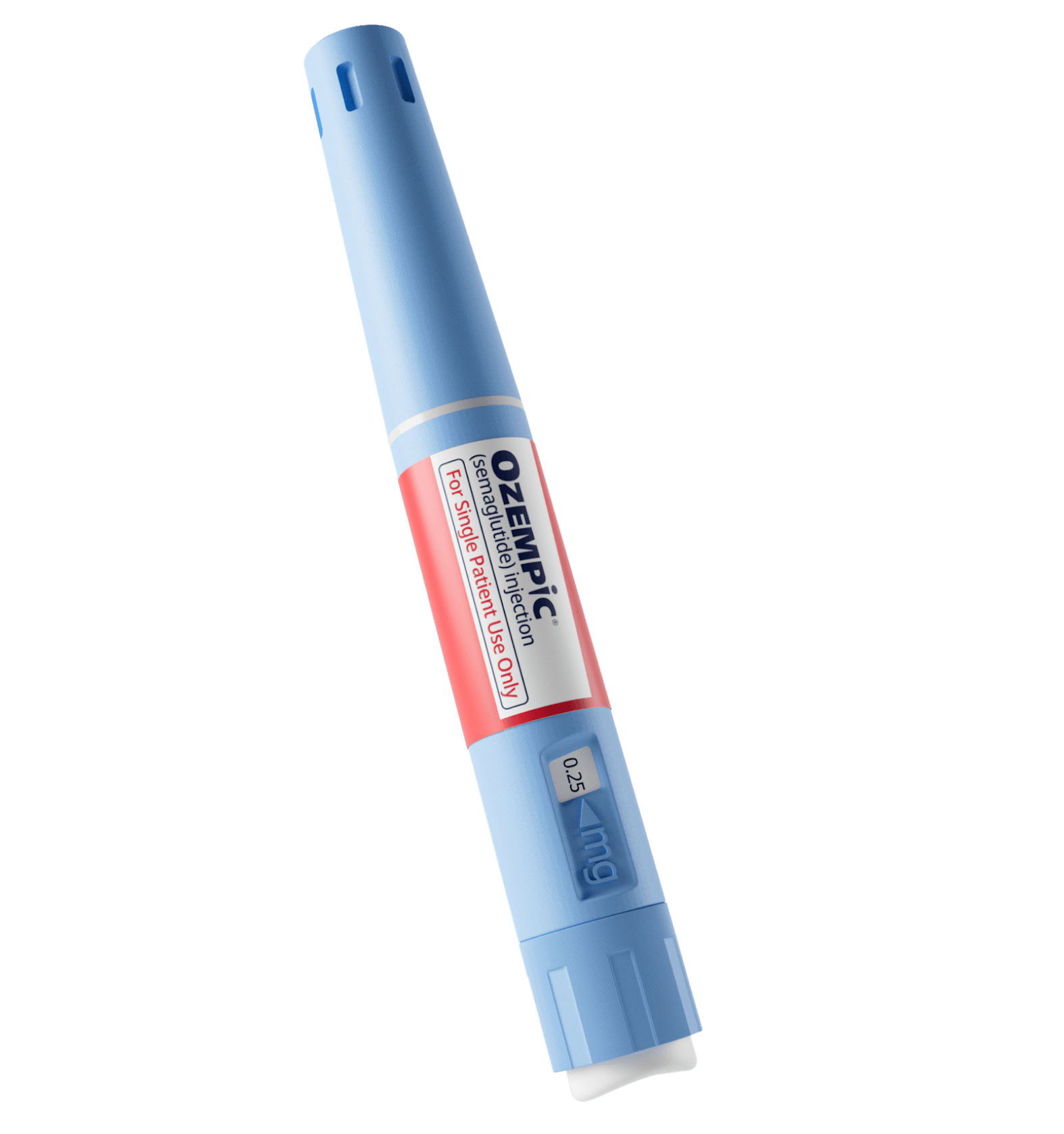
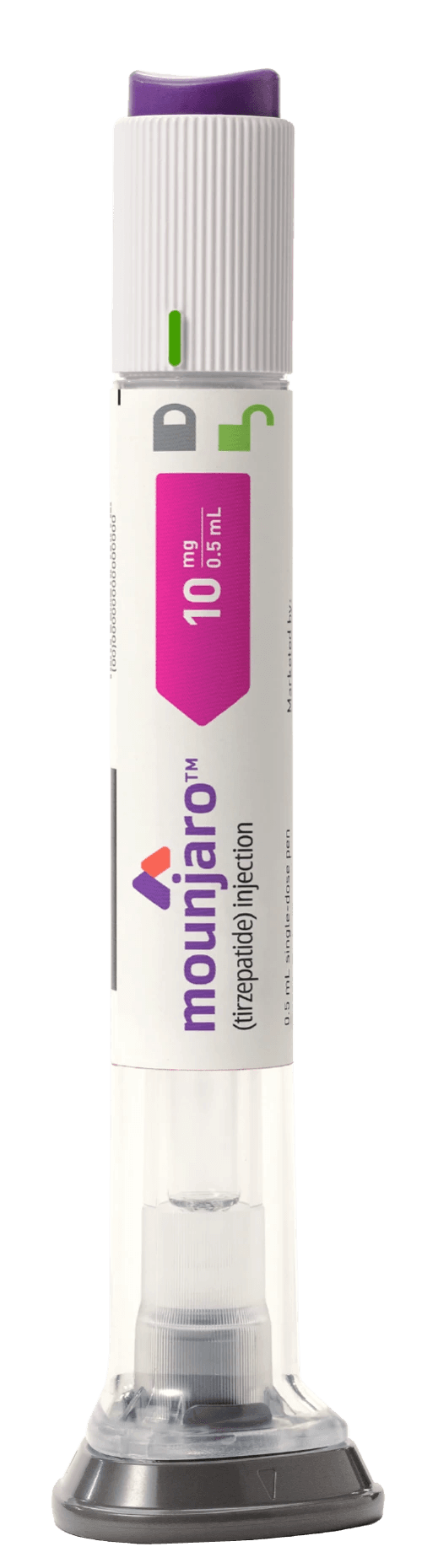
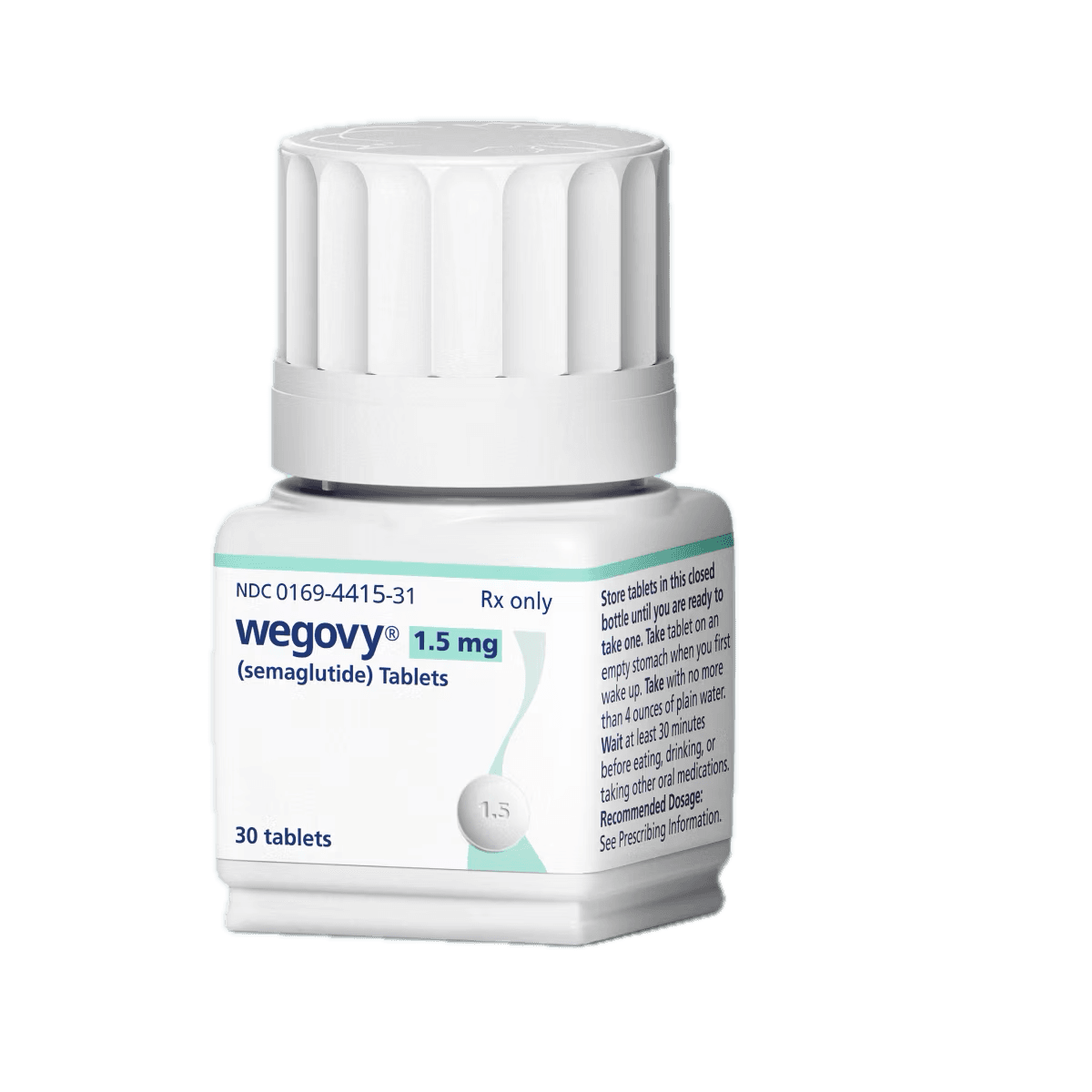
Example GLP-1 Treatments We Can Launch
FAQ
What are the major obesity drug decisions expected in late 2026? A CagriSema approval decision is expected in Q4 2026 based on its late-2025 filing; the retatrutide BLA moved to Q1 2027 per Lilly's July 23, 2026 guidance. The FDA's final order on large-scale compounded semaglutide and tirzepatide could publish any week: comments closed July 30 after an extension, and the Fifth Circuit's August 27 decisions removed the last litigation obstacle.
What is the FDA peptide meeting in July 2026? An advisory committee met July 23 to 24 to review seven peptides, including BPC-157 and TB-500, for compounding eligibility. Votes are advisory; as of September 22 no updated bulks list has been published, and legality changes only through later rulemaking.
When do DEA telehealth prescribing flexibilities expire? December 31, 2026, unless extended again or replaced by the pending special registration rule. Programs prescribing controlled substances should carry a contingency plan into Q4.
How should a telehealth operator prepare for open enrollment season? Treat September through November as an acquisition season. Employers are shifting GLP-1 coverage for 2027, and patients who lose coverage search for cash-pay and HSA-eligible alternatives immediately. Prepare billing, intake, and educational content before October.
Why does event timing matter for a telehealth brand's content? AI answer engines heavily favor fresh, structured content around news events. Publishing a clear explainer within hours of a decision earns citations that persist long after the news cycle.
The half-year in one sentence
Everything on this calendar points the same direction: the metabolic category keeps getting bigger, more branded, more senior, more multi-molecule, and more benefits-aware, and every one of those shifts favors operators whose infrastructure can absorb a new reality in a week instead of a quarter.
That is a build question. Pick your dates, assign your owners, and go into the half prepared.