The branded GLP-1 era is a great time to build
Mid-2026 is a clarifying moment for GLP-1 telehealth, and it favors the operators who want to build something that lasts.
For the last few years, a lot of energy in the category went into access: who could get the medication, through what channel, at what price. That was the right focus when supply was uncertain. It is no longer where the opportunity lives. Branded GLP-1 supply is now reliable and broadly available. Manufacturer-direct channels publish transparent pricing. Oral options have arrived. The patient who wants the medication can get it.
That shift is genuinely good news for serious operators. When access is a solved problem, the brands that win are the ones that deliver the best care, the best experience, and the best long-term outcomes. That is a far better game to compete in than a race to the bottom on drug access, and it rewards exactly the operators who were always going to invest in their patients.
This post is the playbook for building a GLP-1 telehealth program that thrives in the branded era: how to design for care over access, how to architect branded-supply fulfillment cleanly, and how to turn the moment into durable retention and multi-condition growth.
For the broader market view, see The State of DTC Telehealth in 2026: An Operator's Field Report and GLP-1 Access in 2026: How Self-Pay, Direct Channels, and Telehealth Distribution Are Reshaping the Market.
What changed, and why it favors good operators
The branded era has a few defining features. Each one rewards operators who build real programs.
| Shift | What it means | Why it favors good operators |
|---|---|---|
| Reliable branded supply | Predictable inventory and fulfillment | Removes the supply anxiety that consumed early operators |
| Transparent manufacturer pricing | Clear, published cash-pay prices | Lets brands compete on value and care, not pricing games |
| Direct-to-patient channels | Patients can access medication through multiple paths | Shifts the brand's value to the care wrapped around the medication |
| Oral GLP-1 options | New formats, broader patient fit | Expands the addressable population and the conversation |
| A clarified regulatory picture | Clear rules of the road on compounding and marketing | Lets serious operators build with confidence |
The common thread: every one of these shifts moves the competition away from access and toward care quality, experience, and retention. That is the game well-run telehealth brands are built to win.
For the regulatory-context view, see What Telehealth Teams Should Change After the FDA's Compounded GLP-1 Marketing Crackdown.
Designing a program that wins on care
When the medication is a commodity, the program is the product. The operators who thrive build their differentiation into the parts of the experience the patient actually feels.
Clinical depth the patient can sense
A real clinical program, with thoughtful provider review, structured protocols, and genuine refusal authority, feels different to the patient from the first visit. They can tell when a clinician is actually evaluating them rather than rubber-stamping a script. That feeling is the foundation of trust, and trust is what retains.
For the foundation, see Clinical Protocols for DTC Telehealth: What to Standardize Before Your First Patient.
An experience that respects the patient
A modern, fast, supportive patient experience compounds. The intake that feels easy. The portal that surfaces real value. The communication that reads like care. The support that responds quickly. Each one is a small advantage; together they are a moat.
For the patient experience layer, see Patient Portal Onboarding: The First 7 Days That Improve Retention in Telehealth and What Patients Actually Want From a Telehealth Mobile App.
Adherence and outcomes as the headline
In the branded era, the brand's story is not "we can get you the medication." It is "we help you succeed on it." Adherence support, side-effect coaching, titration guidance, nutrition, and longitudinal follow-up are the program. They are also what keeps a patient enrolled for years instead of months.
For the retention layer, see GLP-1 Nutrition Support: The Missing Layer Between Prescription, Refill, and Long-Term Retention and Month 2 Churn in GLP-1 Programs: Why Patients Drop and How to Recover Them.
The branded-supply fulfillment architecture
A clean fulfillment architecture is one of the quiet advantages of the branded era. With reliable supply and transparent pricing, the operational picture simplifies. The brands that set this up well turn fulfillment from a source of anxiety into a source of confidence.
The components of clean branded fulfillment
| Component | What good looks like |
|---|---|
| Pharmacy routing | Reliable transmission of branded prescriptions with clear status visibility |
| Direct-channel coordination | A clear understanding of how manufacturer-direct and pharmacy channels fit the program |
| Status visibility | Real-time fulfillment status in the patient portal and to support |
| Exception handling | A defined process for delays, returns, and patient questions |
| Refill operations | Anticipatory refill workflow that prevents missed cycles |
| Pricing clarity | Transparent, honest pricing the patient understands |
Why this matters
A patient who can always see where their medication is, who never wonders whether the program is legitimate, and who never hits a fulfillment surprise is a patient who stays. The branded era makes this kind of clean, confident fulfillment achievable in a way the earlier environment did not.
For the operational layer, see Pharmacy Status Visibility in Telehealth: How to Reduce 'Where Is My Prescription?' Support Tickets, Telehealth Fulfillment Metrics: What to Track Between Prescription, Shipment, and First Fill, and GLP-1 Refill Operations: A Workflow to Prevent Missed Cycles and Support Spikes.
Positioning when patients can buy direct
In the branded era, a patient can sometimes access medication through manufacturer-direct channels or retail. Some operators read this as a threat. The operators who thrive read it as a clarifying opportunity.
The honest framing for the patient: the medication is available in several places, and the program's value is the care, support, and outcomes wrapped around it. That is a confident, honest position, and it is the one that wins the patient who actually wants to succeed, not just to obtain a prescription.
What the program offers that a direct purchase does not:
- A real clinical relationship with a provider who knows the patient
- Structured adherence and side-effect support
- Longitudinal monitoring and titration
- A care team that responds when something comes up
- A coherent program across more than one condition
- An experience designed around the patient's success
For the positioning view, see LillyDirect and Manufacturer DTC Channels: How Telehealth Brands Should Position When Patients Can Buy Direct and The New Cash-Pay GLP-1 Funnel: How Patients Compare Price, Access, Pharmacy, and Support.
Oral GLP-1s expand the opportunity
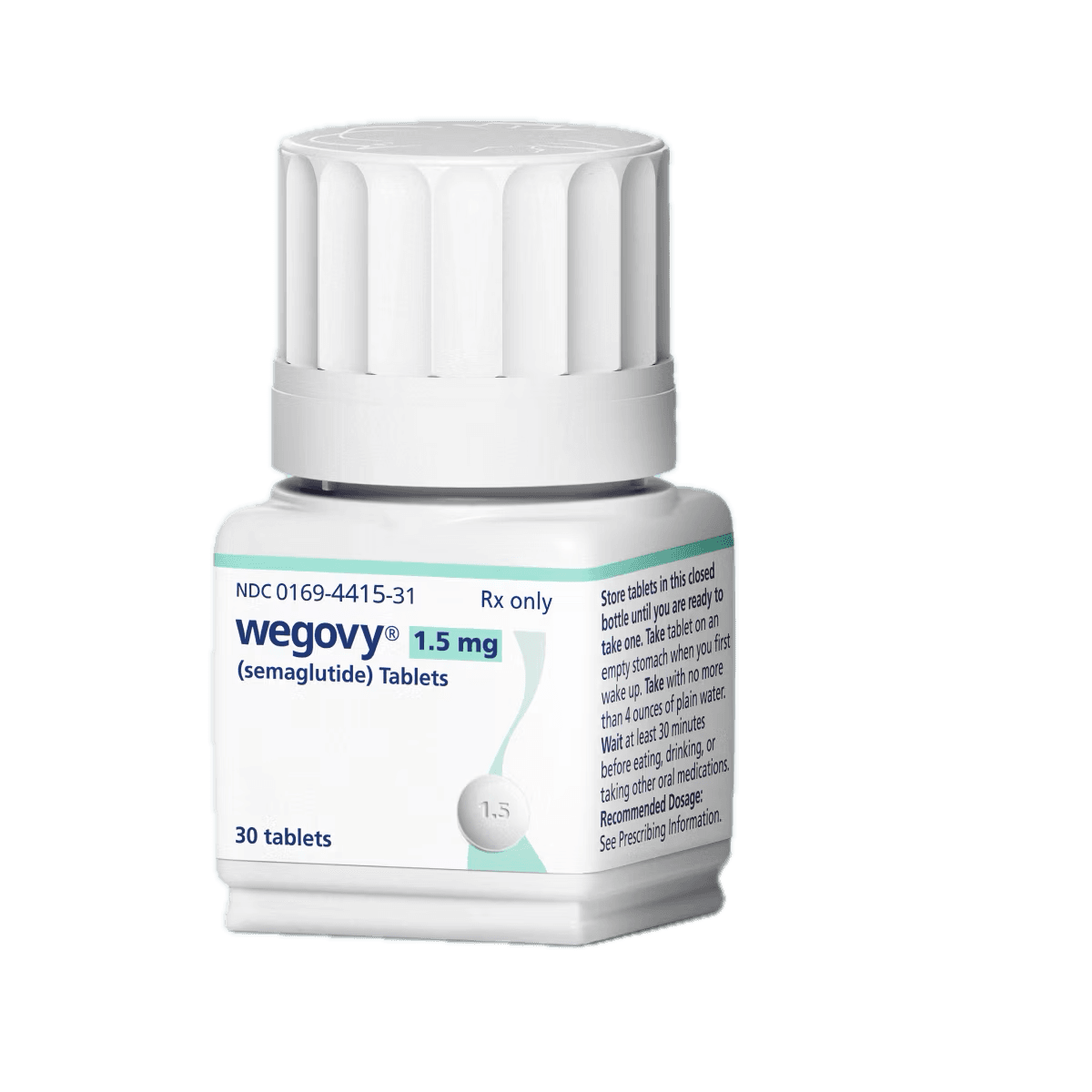
The arrival of oral GLP-1 options is one of the most exciting developments of the branded era. It broadens the addressable population and opens new conversations with patients who were hesitant about injectables.
For operators, oral options mean:
- A larger addressable market, including needle-averse patients
- A new onboarding conversation about format choice
- An adherence story that fits some patients better
- A reason to revisit positioning and education
The program that educates patients well on the choice between formats, and supports them in whichever they choose, builds trust and serves a wider population.
For the deeper view, see Oral GLP-1s in 2026: What Foundayo and the Wegovy Pill Mean for Telehealth.
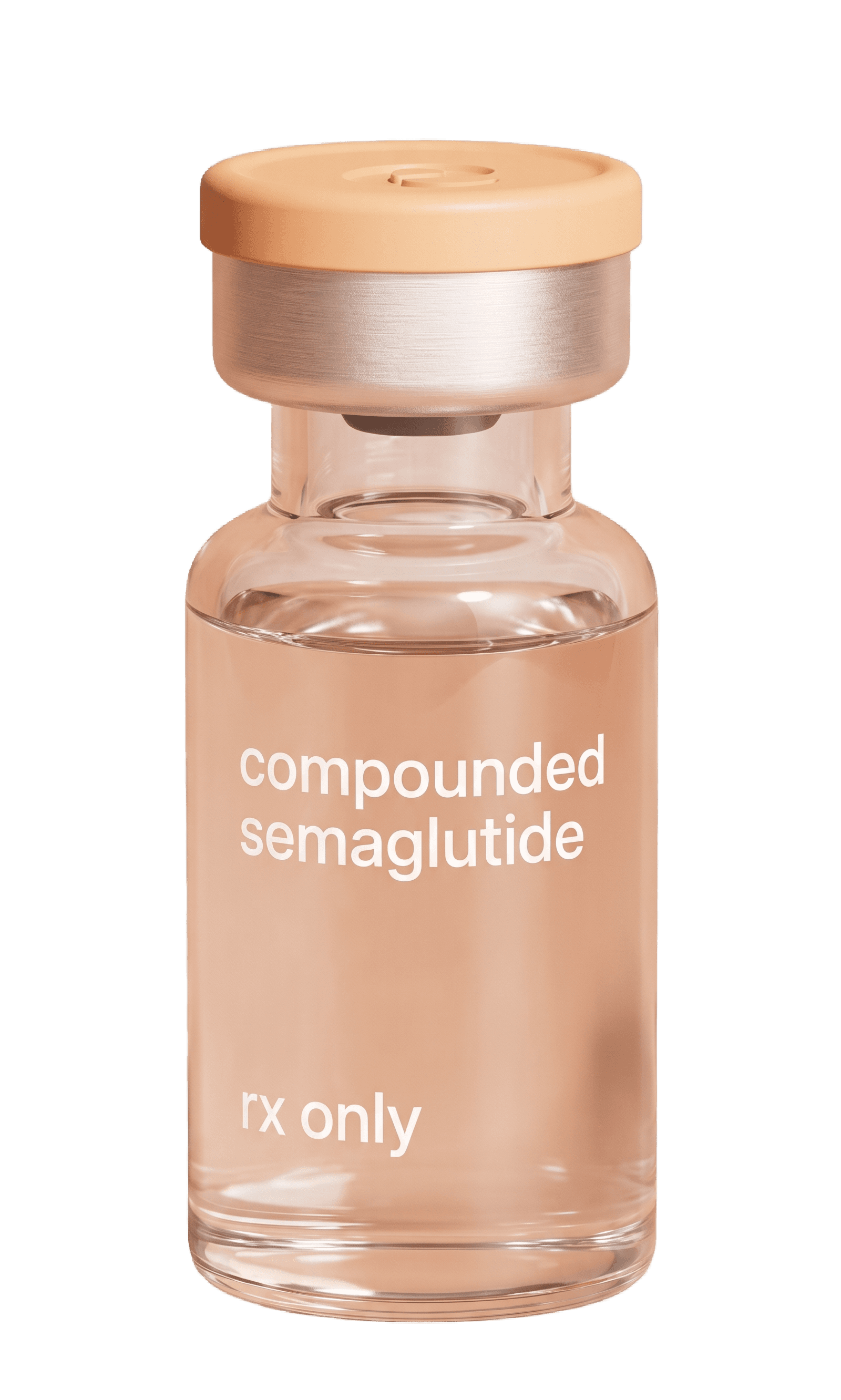
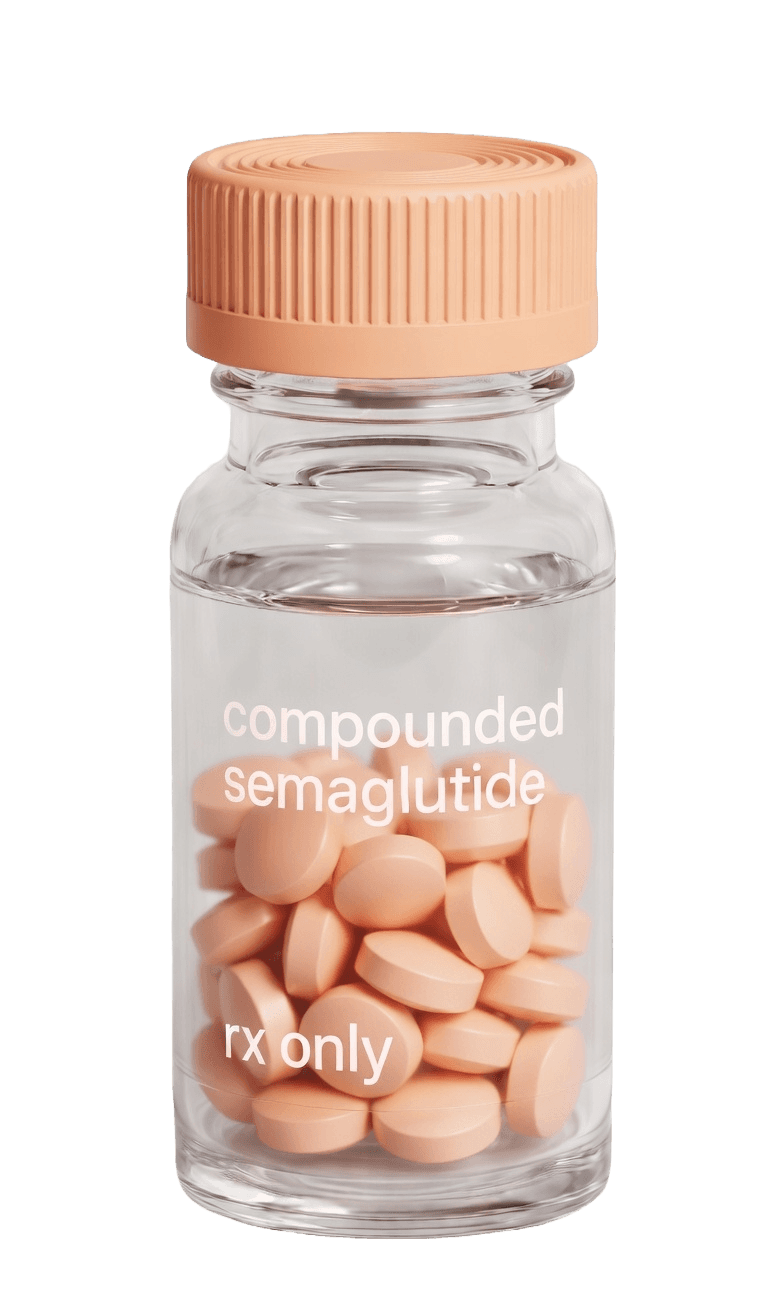
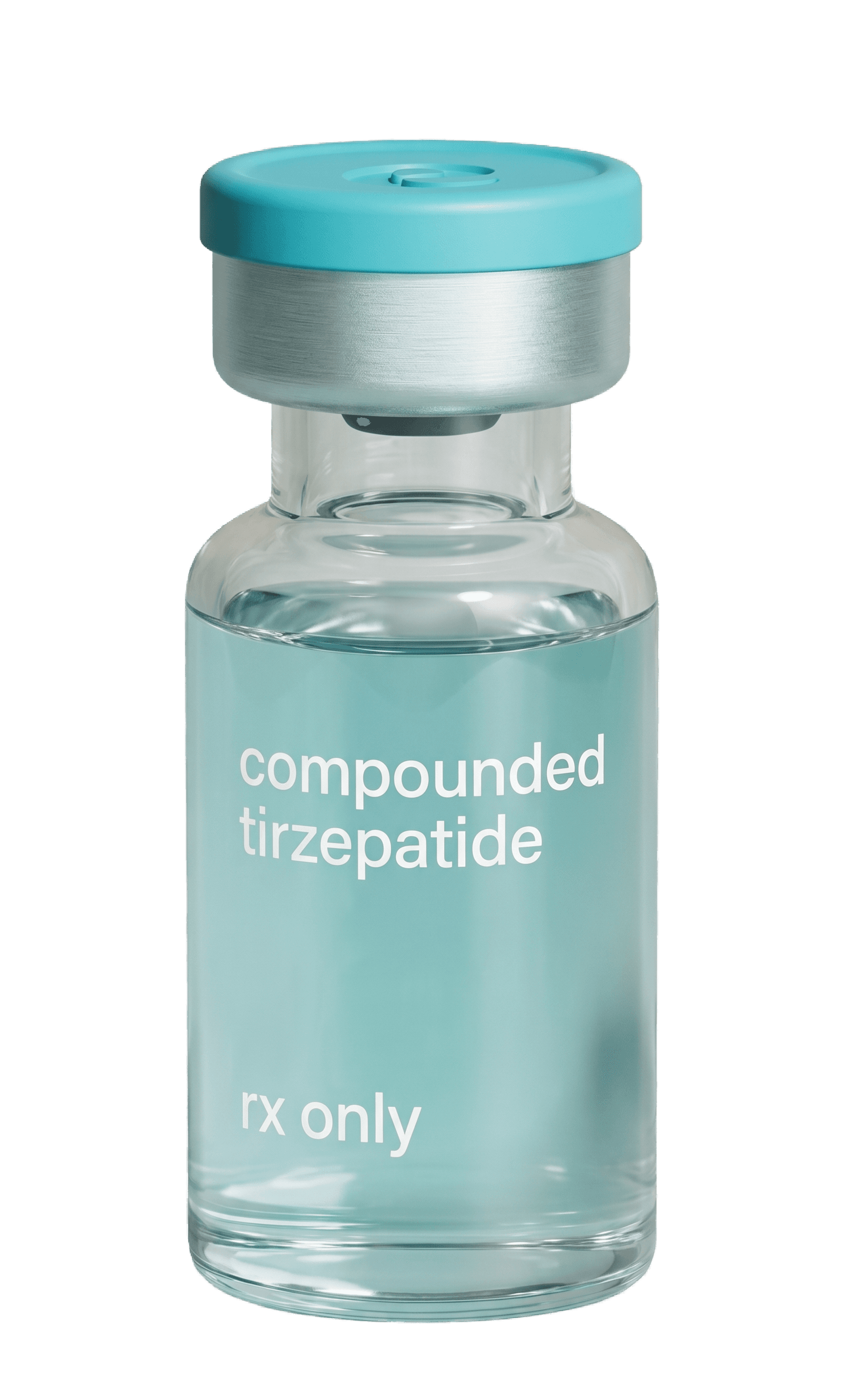
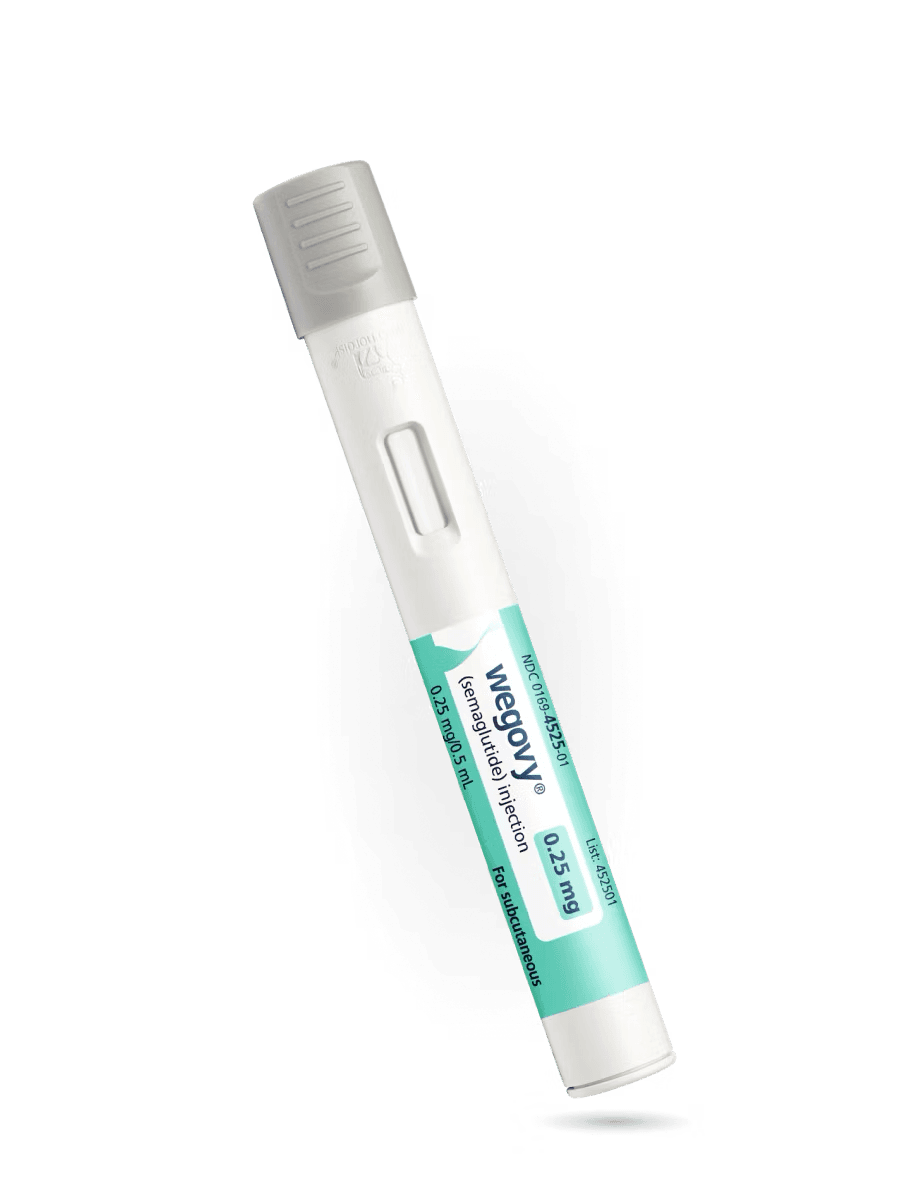
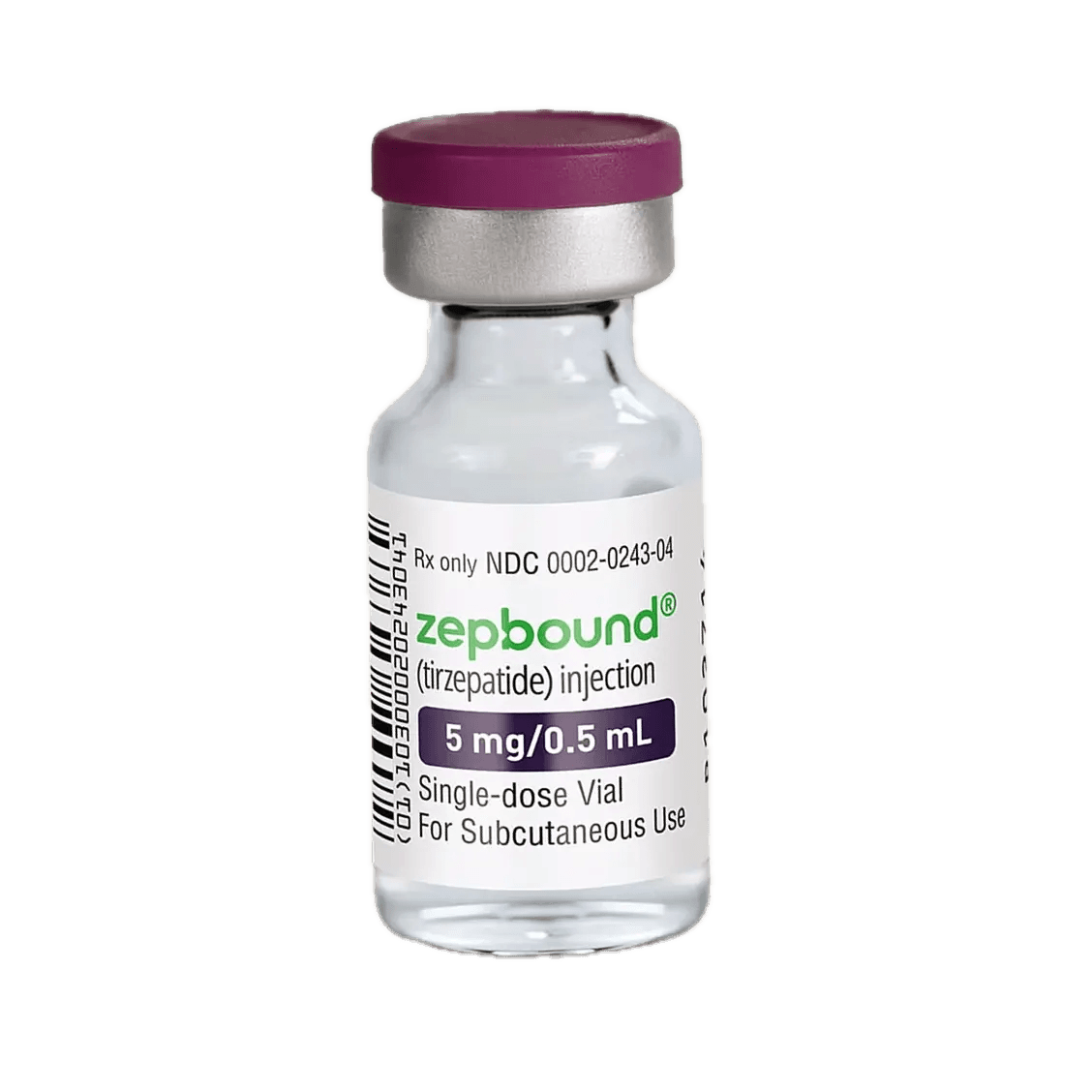
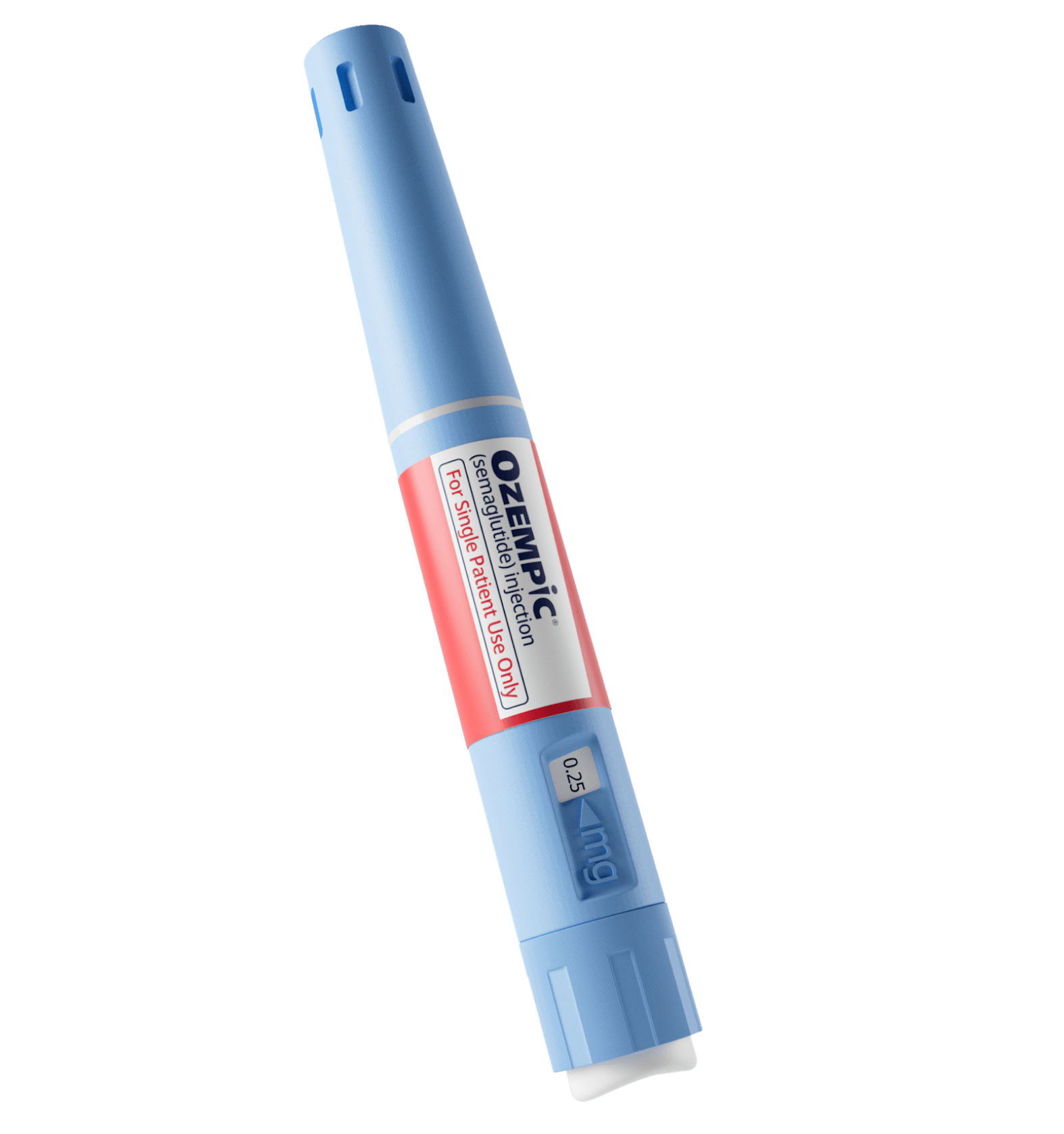
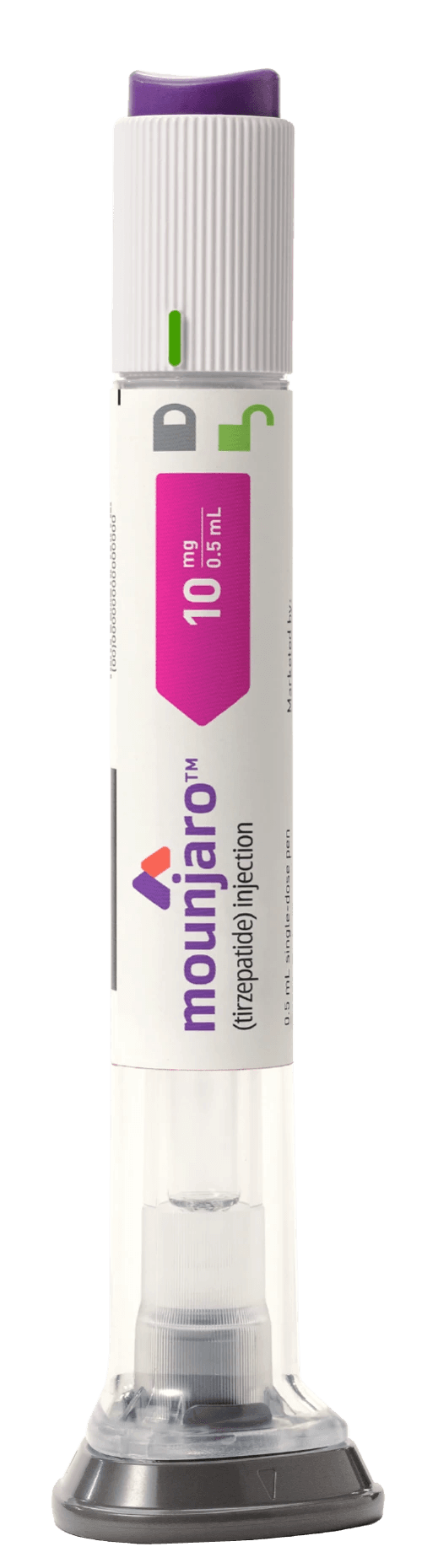
Example GLP-1 Treatments We Can Launch
Turning the transition into durable retention
The branded era rewards retention more than any prior phase. When access is solved, the brands that keep patients longest win. A few patterns that build durable retention.
Milestone-based engagement
A retention program tied to the patient's clinical arc, with milestones at week one, the first month, the titration window, and beyond. Each milestone is a chance to reinforce the patient's progress and prevent a quiet drop-off.
For the framework, see GLP-1 Retention Emails: What to Send in Month 2 to Prevent Drop-Off.
Outcomes the patient can see
A portal that surfaces the patient's progress, trends, and milestones turns the program from "I take a medication" into "I am running a program that is working." That shift drives retention more than any single message.
The provider relationship as the anchor
A patient who feels their provider knows them stays. Continuity of the care relationship is the strongest retention lever in the branded era.
Subscription design that earns the renewal
A subscription that delivers obvious, ongoing value, with transparent terms and no surprises, earns the renewal honestly. For the design patterns, see Subscription Design for Telehealth Programs: What Improves Retention and What Creates Churn.
Multi-condition growth: the natural next step
The branded era makes the multi-program path more attractive than ever. With access solved and retention as the focus, the brands that grow fastest expand the care relationship into adjacent conditions.
A GLP-1 patient often has needs in:
- Metabolic and cardiometabolic health
- Sleep and OSA
- Liver health (MASH)
- Hormone health and HRT
- Mental health
- Longevity and healthspan
A program that can serve more than one of these under one care relationship has dramatically better lifetime value and a far stronger patient bond. The branded era, by freeing operators from access anxiety, makes this expansion the natural growth strategy.
For the expansion playbook, see Telehealth Specialty Expansion: How to Decide the Next Program After GLP-1, Hair Loss, or Sexual Health and The MASH Telehealth Program: Building a Liver Health Category Around the New GLP-1 Indication.
The infrastructure that makes the branded era easy
A modern telehealth platform turns the branded era from a transition to manage into an opportunity to capture. The infrastructure that matters:
| Capability | Why it matters in the branded era |
|---|---|
| Clean pharmacy and fulfillment routing | Reliable branded supply with status visibility |
| Strong patient portal and mobile | The experience that differentiates when access is solved |
| Retention and lifecycle automation | The engine that keeps patients enrolled |
| Multi-program architecture | The path to multi-condition growth |
| Analytics and reporting | The visibility to optimize care and retention |
| Compliance posture | The foundation that lets the brand grow with confidence |
| AI and agentic capability | The efficiency that protects margin as the model matures |
A brand built on this kind of platform spends its energy on care and growth, not on operational firefighting. For the platform-selection framework, see How to Pick a White-Label Telehealth Platform in 2026: The Operator's Vendor Evaluation Framework and DTC Telehealth Tech Stack: What You Need Before Your First Patient Starts Care.
FAQs
Is the branded GLP-1 era good or bad for telehealth operators? For operators who build real care programs, it is good. It moves competition away from drug access and toward care quality, experience, and retention, which is where well-run brands win.
What happens to programs built on compounded GLP-1? The clearest path is a transition to branded supply with a care-first program design. Branded supply is reliable, pricing is transparent, and the program's value shifts to the care and experience around the medication.
How do operators compete when patients can buy medication directly? By offering what a direct purchase cannot: a real clinical relationship, adherence and side-effect support, longitudinal monitoring, multi-condition care, and an experience designed for the patient's success.
Do oral GLP-1s change the opportunity? Yes, positively. Oral options broaden the addressable population, including needle-averse patients, and open new onboarding and education conversations.
What is the single biggest lever in the branded era? Retention. When access is solved, the brands that keep patients longest win. Milestone engagement, visible outcomes, provider continuity, and honest subscription design are the levers.
Should a GLP-1 brand expand into other conditions? For most brands, yes. Multi-condition care dramatically improves lifetime value and patient bond, and the branded era makes this the natural growth path.
What infrastructure makes the branded era easier? Clean pharmacy and fulfillment routing, a strong patient portal, retention automation, multi-program architecture, solid analytics, a real compliance posture, and AI capability.
Implementation checklist
Use this to build for the branded era.
Supply and fulfillment
- Branded-supply pharmacy routing in place
- Direct-channel coordination understood and documented
- Real-time fulfillment status in the portal
- Exception handling for delays and returns
- Anticipatory refill workflow live
- Transparent pricing the patient understands
Care and experience
- Clinical protocols and refusal authority in place
- Modern, fast intake and portal experience
- Adherence and side-effect support program
- Titration and longitudinal monitoring
- Responsive support and care team access
Retention
- Milestone-based engagement program
- Visible outcomes in the portal
- Provider continuity built into the model
- Honest subscription design
Growth
- Multi-condition expansion roadmap
- Oral GLP-1 education and onboarding
- Cross-program lifecycle conversations
Infrastructure
- Platform with clean fulfillment, portal, retention, and multi-program support
- Analytics and reporting
- Compliance posture
- AI and agentic capability
Final takeaways
The branded GLP-1 era is a builder-friendly moment. It rewards exactly the operators who were always going to invest in their patients.
What to remember:
- Access is now a solved problem; the competition has moved to care, experience, and retention
- That shift favors operators who build real clinical programs, not access plays
- The program is the product when the medication is a commodity
- Clean branded-supply fulfillment turns operations from anxiety into confidence
- When patients can buy direct, the program's value is the care wrapped around the medication
- Oral GLP-1 options broaden the opportunity
- Retention is the single biggest lever in the branded era
- Multi-condition growth is the natural next step
- A modern platform turns the transition into an opportunity to capture
The brands that lean into the branded era, building care-first programs on solid infrastructure, are positioned for the most durable growth the category has offered. Access is solved. Care is the opportunity. And care is what good operators do best.
The right time to build the care-first, branded-era program is now.